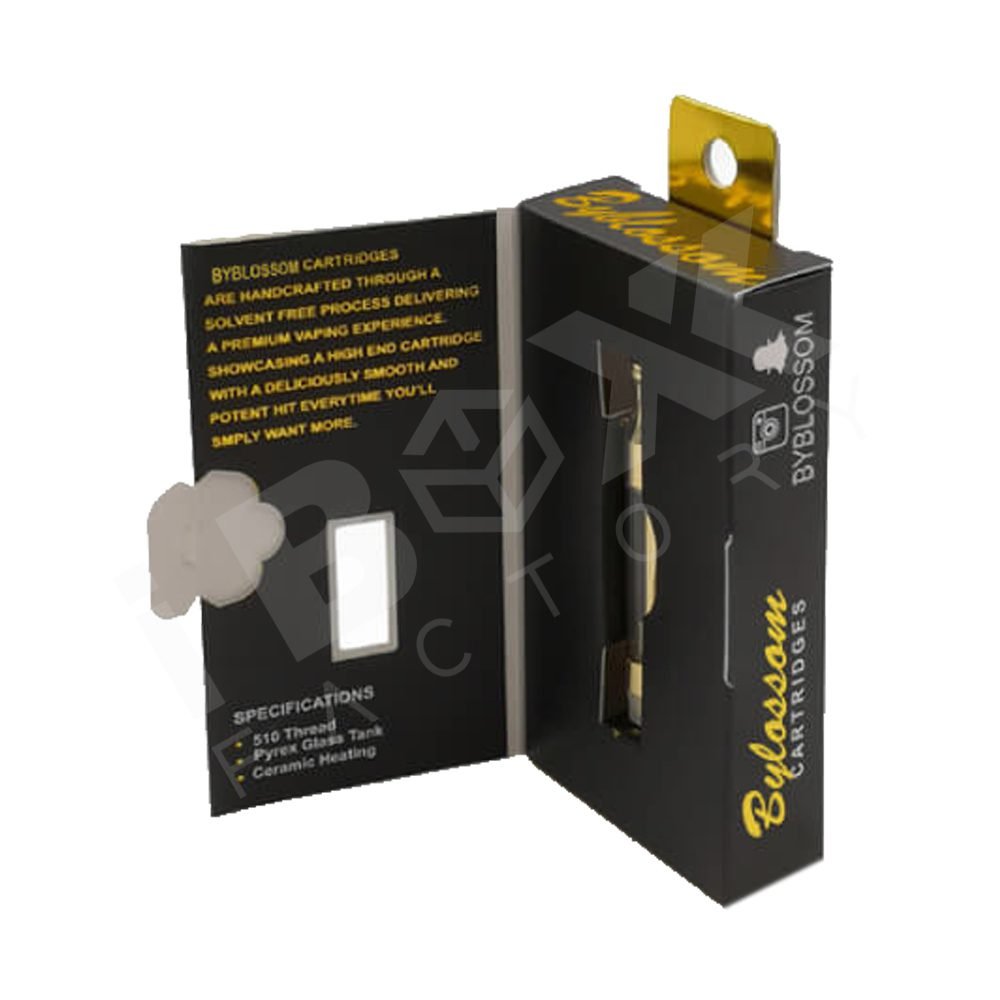
Comprehensive Guide
Starting an e-cigarette business in the USA can be a profitable venture, but it comes with its challenges. With increasing demand for vaping products, more entrepreneurs are getting into the industry. However, the business requires careful planning, adherence to legal regulations, and astrong marketing strategy. This article will walk you through the entire process, from choosing the right business entity to product packaging, product development, marketing, and sales.
1. Choose the Right Business Entity
One of the first steps in starting your e-cigarette business is to choose the right legal entity, including sourcing custom packaging for your pruducts. The structure you choose will determine your taxes, liabilities, and overall operations.
1.1 Sole Proprietorship
A sole proprietorship is the simplest and most cost-effective business entity. You will have complete control over the business, but this also means you’re personally responsible for any legal issues or debts.
1.2 Limited Liability Company (LLC)
An LLC provides more protection than a sole proprietorship. The owners (members) are not personally liable for the company’s debts. LLCs also offer flexibility in tax and business operations, making them a popular choice for small to medium-sized businesses.
1.3 Corporation (C-Corp or S-Corp)
If you want to expand your business or attract investors, a corporation might be the right choice. Corporations offer limited liability and the ability to issue stock. However, they come with more complex regulations and tax structures.
2. Understand Legal Requirements
Operating an e-cigarette business in the USA is subject to strict regulations, especially from the FDA and state authorities. Compliance with these regulations is crucial for your business’s success.
2.1 FDA Regulations
The U.S. Food and Drug Administration (FDA) regulates e-cigarettes. To legally sell e-cigarettes, you must register your products with the FDA, and ensure they meet safety and health standards.
2.2 Licensing and Permits
You will need several licenses to sell e-cigarettes, including a tobacco license, business operating license, and possibly a special permit for selling nicotine-based products. Local authorities should be consulted for specific licensing requirements.
2.3 Age Restrictions
E-cigarettes are restricted to individuals who are at least 18 or 21 years old, depending on the state. An age verification system, both online and in-store, is necessary to comply with these restrictions.
2.4 Taxes and Regulations
E-cigarettes and vaping products are subject to excise taxes in many states. The tax rates vary by state, and understanding these can help you price your products effectively. Additionally, each state may have its own set of regulations governing the sale and marketing of e-cigarettes.
3. Product Development
Once you have the legal aspects covered, it's time to focus on developing your products. This includes the design of e-cigarettes and e-liquids, sourcing materials, and ensuring safety and quality.
3.1 Product Design and Features
E-cigarettes come in various forms, including cigalike devices, pod systems, and mods. Decide which type of products you want to sell based on market trends and customer preferences. Offering a variety of e-liquids, including different flavors and nicotine strengths, can also be part of your product lineup.
E-cigarette Devices:
These are the devices that heat e-liquid and produce vapor. You need to decide between beginner-friendly devices or more advanced models for experienced users.
E-liquid:
You will need to decide on the flavors, nicotine strengths, and whether you want to offer nicotine-free options. There is a growing demand for both creative flavors and classic tobacco or menthol options.
3.2 Research and Development (R&D)
Before launching, invest in R&D to ensure that your products are safe and effective. Product testing should include checks for safety features, leaks, battery life, and usability. Reliable, safe products will build trust with your customers.
3.3 Manufacturing and Sourcing
If you’re not manufacturing your products in-house, sourcing reliable manufacturers and suppliers is crucial. You should work with reputable partners who can meet safety and quality standards. This helps ensure that your products are compliant with regulations and of high quality.
4. Packaging
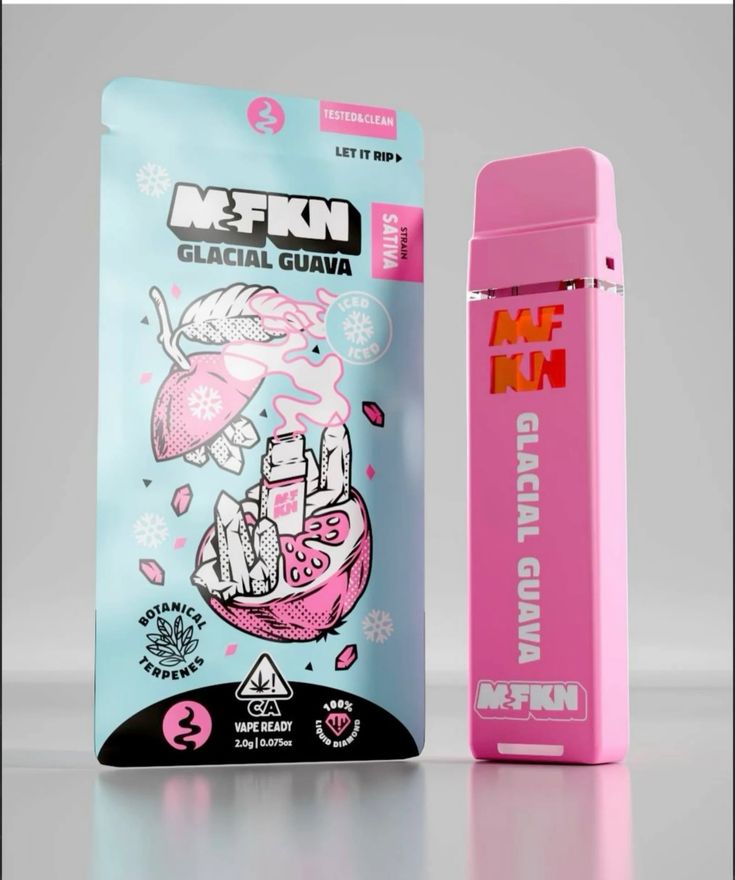
Packaging is an essential part of your packaging for e-cigarette business. It ensures product safety, enhances branding, and provides necessary legal information. Packaging should be attractive, safe, and informative, as well as compliant with FDA and state regulations.
4.1 Packaging Materials
Choose durable, secure packaging materials to protect your products during transport. Common materials include:
Plastic Containers (for E-liquids): Leak-proof and tamper-evident bottles are essential.
Cardboard Boxes (for Devices): These protect devices during shipping and provide a stylish presentation.
Blister Packs (for Pod Systems): Secure individual devices, reducing the risk of damage.
Glass Bottles (for Premium E-liquids): For premium e-liquids, glass bottles can add a touch of
luxury.
4.2 Design and Branding
Packaging should reflect your brand’s identity. It should be visually appealing and clearly display necessary information like the product name, nicotine strength, flavor, ingredients, and any warnings or usage instructions.
Branding Consistency: Make sure your design aligns with your overall branding strategy. Choose colors and fonts that match your image, whether it’s sleek and modern or vibrant and bold.
Essential Information: Include all mandatory information such as ingredients, nicotine content, health warnings, and usage instructions.
4.3 Safety and Compliance
Your packaging must comply with FDA regulations. This includes:
Child-Resistant Packaging: E-liquids should be packaged in child-proof containers.
Tamper-Evident Seals: Packaging should have seals to indicate whether a product has been
opened.
Health Warnings: Your packaging must include necessary health warnings and disclaimers regarding nicotine use.
4.4 Sustainability Considerations
More consumers are looking for eco-friendly options. Using biodegradable, recyclable, or reusable materials for packaging can help you appeal to this market segment.
5. Marketing Strategy
Once your products are ready, an effective marketing strategy is essential for success. You will need to reach your target audience and differentiate your brand from competitors.
5.1 Branding and Positioning
Create a memorable brand that resonates with your audience. Your brand should reflect your Products, quality and appeal, whether you’re going for a luxury image or an affordable, accessible brand.
5.2 Digital Marketing
Leverage digital marketing strategies such as SEO, email marketing, and social media advertising to increase visibility. Keep in mind that there are strict regulations on promoting tobacco and vaping products online, so be sure to comply with all legal guidelines.
SEO and Content Marketing:
Optimizing your website for search engines helps customers find you online. Regular blog posts about vaping trends, health considerations, and product information can build your authority in the market.
Influencer Marketing:
Partnering with influencers who resonate with your target audience can help promote your products in an authentic way.
5.3 Target Audience
Identify and understand your target audience—whether they are beginners, experienced vapers, or those looking for a specific type of product. Tailor your marketing campaigns accordingly.
6. Sales Channels
Choosing where and how to sell your products is another important decision.
6.1 Online Sales
E-commerce is a key sales channel. Setting up a user-friendly website with secure payment options and age verification is essential for online sales.
6.2 Retail Partnerships
Selling through brick-and-mortar stores or partnering with vape shops can help expand your reach. You can also consider wholesale distribution.
6.3 Distribution Network
As your business grows, building a distribution network can help you get your products into more markets. This involves partnering with wholesalers and distributors who can expand your product availability.
7. Financial Planning
Successful businesses require solid financial planning. Managing your finances, setting up a revenue model, and tracking profitability will help ensure long-term success.
7.1 Initial Investment
Starting an e-cigarette business requires an initial investment for product development, manufacturing, marketing, and legal compliance.
7.2 Revenue Model
Pricing your products competitively while ensuring a sustainable margin is essential. Your revenue model will be shaped by factors such as product types, sales channels, and operational
costs.
7.3 Profitability Analysis
Regularly track your financial performance to assess profitability. This will help you make informed decisions about scaling your business and adjusting your marketing or pricing strategies.
Conclusion
Starting an e-cigarette business in the USA is a great opportunity, but it requires careful attentionto detail. From choosing the right business entity, navigating legal regulations, and developinghigh-quality products to implementing a strong marketing strategy and managing finances, everystep is crucial. Packaging plays a key role in product safety, branding, and compliance. Byfollowing this guide, you’ll be on the right track to building a successful e-cigarette business inthe ever-growing market.