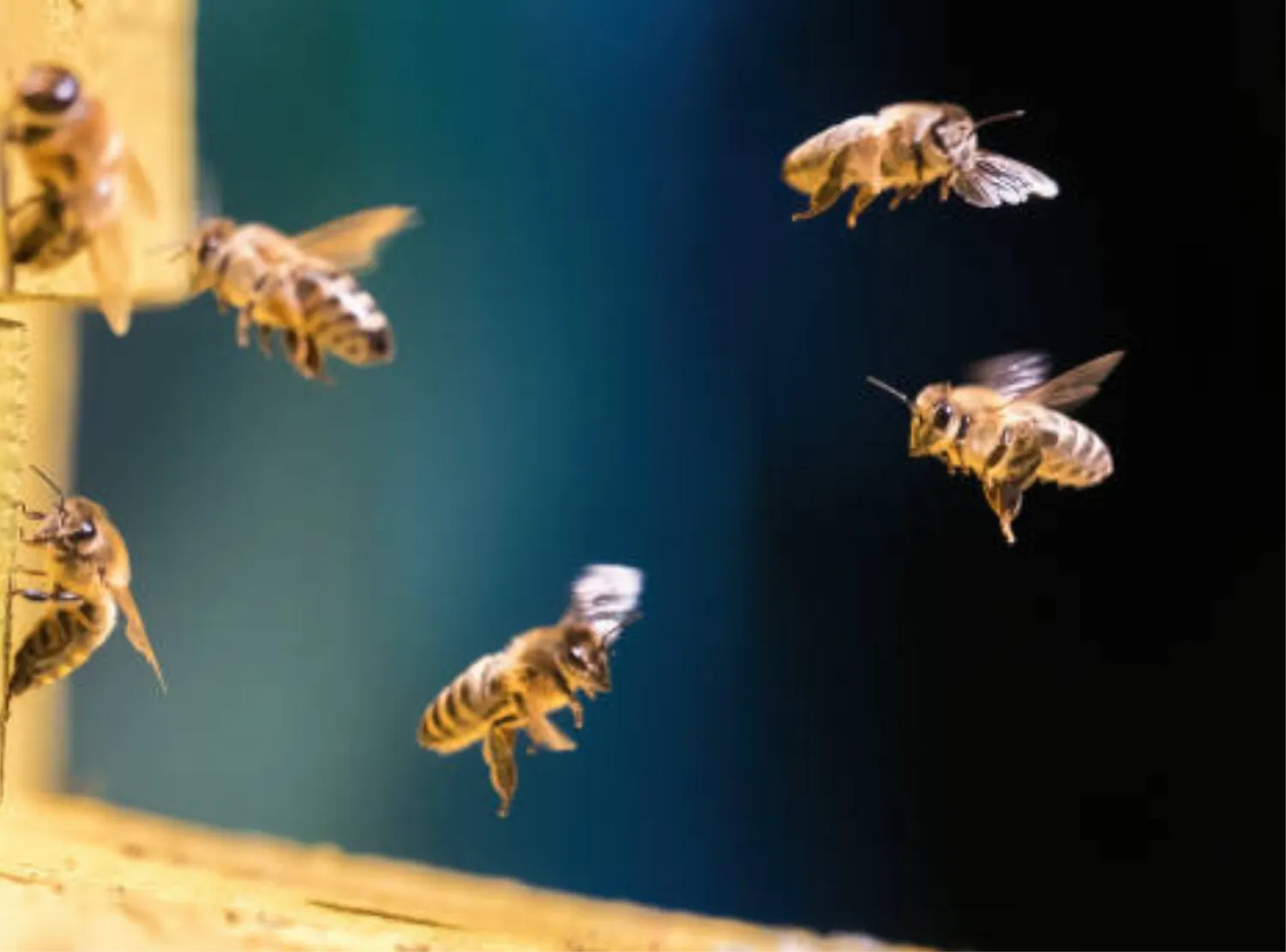
Bees are indispensable to our ecosystem, playing a crucial role in pollination and ensuring the health of plants and food crops. However, their importance doesn’t negate the challenges they pose when they invade human spaces. When bees choose to establish a hive inside your home, they can transform from being nature’s helpers to becoming a potential threat. Their presence may lead to structural damage, health risks, and unwanted disturbances. Recognizing the early signs of a bee infestation is vital to addressing the problem promptly and effectively. In this guide, we’ll explore how to identify bee infestations, their causes, and the importance of timely intervention.
Understanding Bee Infestations
Bee infestations occur when bees, searching for a secure and warm space, decide to establish a hive within or near your home. While they typically prefer hollow trees or natural cavities, human-made structures like walls, attics, and chimneys often provide the perfect environment.
Bees are generally non-aggressive unless provoked, but their presence in or around your living space can pose serious risks, including:
- Structural damage due to honeycomb build-up.
- Potential allergic reactions from stings.
- Attraction of other pests like rodents and insects to the honey.
Early Signs of a Bee Infestation
Proactively identifying bee infestation indicators can save you time, money, and stress. Here are the key early warning signs to look for:
1. Increased Bee Activity Near Your Home
One of the most apparent signs is a noticeable increase in bee activity around specific areas of your property. If you observe bees frequently hovering near vents, chimneys, or wall cracks, they might be scouting for or have already found a nesting site.
2. Buzzing Sounds Behind Walls
A persistent buzzing or humming noise, especially coming from inside walls, ceilings, or other enclosed spaces, is a strong indicator of a bee hive. Bees communicate through vibrations, and a well-established hive can generate enough noise to be audible.
3. Presence of Wax or Honey Stains
Bees create hives to store honey and raise their young. Over time, the honey can seep through walls, leaving sticky stains or discoloration on surfaces. If you notice an unexplained sugary substance, it’s time to investigate further.
4. Sight of Swarms
Spotting a swarm of bees near your home is a clear red flag. Swarms occur when a colony splits, and the new group is searching for a nesting location. While swarms are temporary, they can signal that bees might settle nearby.
5. Unpleasant Odors
Established hives can emit a sweet yet pungent smell due to the combination of honey, wax, and accumulated waste. If you detect a strange odor in specific areas of your home, it could be from a hidden bee colony.
Why Addressing Bee Infestations Early Is Crucial
Delaying action on a bee infestation can lead to numerous problems. Beyond the immediate nuisance, long-term infestations can cause:
- Structural issues: Honeycombs can weaken walls, ceilings, or insulation.
- Health hazards: Bee stings, especially for allergic individuals, can be life-threatening.
- Pest attraction: Honey and wax can draw ants, moths, and rodents.
If you suspect a bee infestation, reaching out to professionals is vital to ensure safe and humane removal.
Solutions for Bee Infestations: Call the Experts
When facing a bee infestation, many homeowners are tempted to handle it themselves. However, DIY methods can be dangerous, especially if the hive is large or located in hard-to-reach places. Professional help ensures the removal process is safe, efficient, and environmentally friendly.
If you’re in Los Angeles, consider contacting an affordable bee removal company in Los Angeles. These experts have the tools and knowledge to remove hives without harming the bees, adhering to local regulations, and promoting ecological sustainability.
Preventing Future Bee Infestations
Once the infestation is resolved, taking preventive measures can stop bees from returning. Here’s how you can protect your home:
1. Seal Entry Points
Inspect your home for cracks, gaps, or openings in walls, roofs, and foundations. Bees only need a small opening to enter, so sealing these areas can significantly reduce the risk of another infestation.
2. Remove Attractive Scents
Bees are drawn to floral scents and sugary substances. Avoid leaving open containers of sweet drinks, food, or garbage that could lure them to your property.
3. Install Bee Deterrents
Consider using bee deterrents like natural essential oils (peppermint or eucalyptus) or commercial products to discourage bees from nesting near your home. Always use these methods responsibly to avoid harming the bees.
4. Regular Inspections
Schedule periodic inspections of your property, especially during spring and summer when bees are most active. Early detection is key to managing potential issues before they escalate.
Conclusion
Recognizing the early signs of a bee infestation is essential for maintaining a safe and comfortable home. By staying vigilant and addressing infestations promptly, you can prevent structural damage, health risks, and other complications. Always seek professional assistance for bee removal to ensure humane and effective solutions.