Introduction:
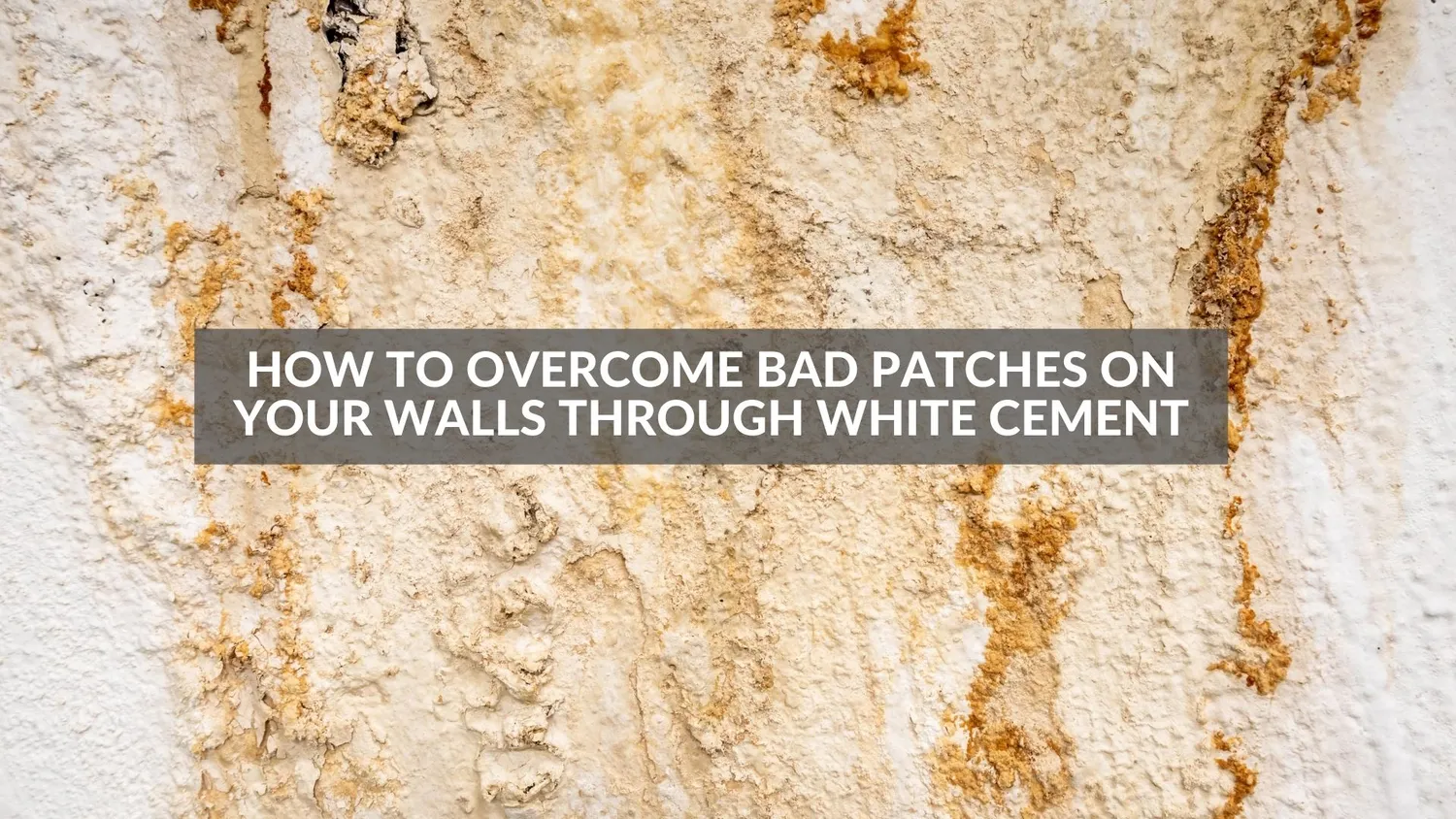
Are you tired of seeing bad patches on your walls? Do you want to give your walls a new and fresh look? If yes, then white cement is the perfect solution for you. White cement for walls is an excellent choice for homeowners who want to enhance the beauty of their homes. In this blog post, I will guide you through the process of using white cement to overcome bad patches on your walls.
What is White Cement?
White cement is a type of cement that is used for decorative purposes. It is made from raw materials such as limestone, clay, and gypsum. The main difference between white cement and ordinary cement is that white cement has a higher percentage of whiteness and a finer texture. This makes it ideal for use in decorative applications such as wa ll finishes.
Why Use White Cement for Walls?
White cement for walls is an excellent choice for homeowners who want to achieve a clean and sophisticated look. It can be used to cover up bad patches on walls, giving them a new and fresh appearance. White cement is also resistant to water, making it suitable for use in areas such as bathrooms and kitchens.
Preparing the Surface
Before applying white cement to your walls, it is essential to prepare the surface properly. Start by cleaning the walls thoroughly to remove any dirt or debris. Next, use sandpaper to smooth out any rough spots or bumps on the wall. Finally, apply a coat of primer to the wall to ensure that the white cement adheres properly.
Mixing the White Cement
Mixing white cement is relatively easy. Start by adding water to a bucket, followed by the white cement. Mix the two ingredients together until you get a smooth and consistent paste. Be sure to mix only the amount of white cement that you need for the job at hand.
Applying the White Cement
Once you have mixed the white cement, it's time to apply it to the wall. Use a trowel to spread the white cement evenly over the surface of the wall. Be sure to work in small sections, so the white cement doesn't dry out before you can finish.
Creating Texture
If you want to create texture on your walls, you can do so by using a sponge or a brush. Simply dab the sponge or brush onto the wet white cement to create the desired texture. You can experiment with different textures until you find one that you like.
Finishing Touches
After you have applied the white cement to the wall, allow it to dry completely. Once it has dried, you can add finishing touches such as paint or wallpaper. Alternatively, you can leave the white cement as it is for a minimalist look.
Maintenance
Maintaining white cement walls is relatively easy. Simply wipe them down with a damp cloth to remove any dirt or dust. If you notice any cracks or chips, you can easily patch them up with more white cement.
Frequently Asked Questions
Q: Can I use white cement on exterior walls?
A: Yes, white cement can be used on both interior and exterior walls.
Q: How long does it take for white cement to dry?
A: It typically takes around 24 hours for white cement to dry completely.
Q: Can I paint over white cement?
A: Yes, you can paint over white cement once it has dried.
Conclusion
In conclusion, white cement is an excellent choice for homeowners who want to give their walls a new and fresh look. By following the steps outlined in this blog post, you can easily overcome bad patches on your walls and achieve a clean and sophisticated look. So why wait? Try using white cement for walls today and see the difference for yourself!