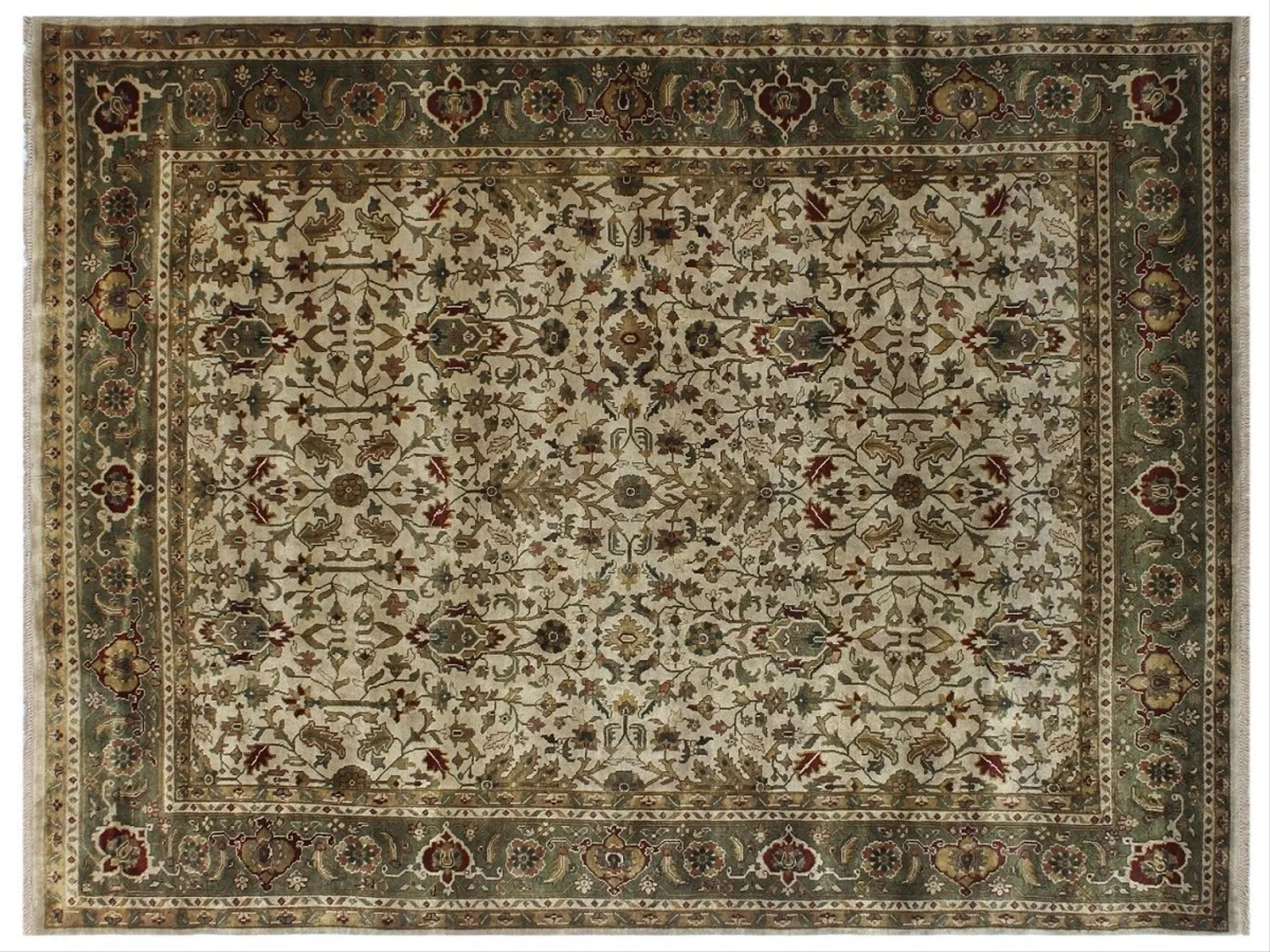
Layering rugs is a simple way to add depth, texture, and warmth to any room. Whether you want to highlight a particular area or make a space feel cozier, placing rugs over one another creates a well-balanced and inviting atmosphere. Here’s how to layer traditional rugs effectively while keeping your space stylish and functional.
Choose the Right Base Rug
Start with a base rug that sets the tone for the entire look. A neutral or solid-colored rug works best because it provides a foundation without overwhelming the design. If you’re layering over carpet, choose a low-pile option to prevent too much bulk.
When selecting a base, consider the size of your space. A larger rug helps define an area, making it look more structured. If you have hardwood or tile floors, a thick rug underneath provides comfort while preventing slipping.
Add a Smaller Rug on Top
Once your base rug is in place, layer a smaller rug on top. This second rug should contrast with the base to create visual interest. Patterns, textures, and colors can all work together as long as they complement each other.
For example, if your base rug is a solid color, choose a patterned rug on top. If the base rug has an intricate design, go for something simpler on top to avoid clashing. A well-balanced combination makes the layering look intentional rather than chaotic.
Mix Patterns and Textures Thoughtfully
Layering works best when different patterns and textures come together in a balanced way. Instead of using two rugs with bold prints, mix a patterned rug with a textured or neutral one. For example, pair a vintage-style rug with a woven jute rug to create contrast.
Texture is just as important as pattern. A soft, plush rug over a flat weave rugs adds depth, while a shaggy rug over a smooth one brings warmth. Keep balance in mind to make sure the layering enhances rather than overwhelms the space.
Consider the Color Scheme
Color plays a crucial role in making layered rugs look cohesive. Stick to a color palette that matches your furniture and overall décor. Neutral tones like beige, gray, or muted blues work well as base colors, while bolder shades can be introduced in the top rug.
If your space already has a lot of color, choose rugs in similar tones to tie everything together. A mismatched approach can work, but it should still look coordinated. The goal is to make sure the layers look intentional rather than random.
Pay Attention to Rug Placement
Layering rugs isn’t just about stacking them in the center of a room. Think about placement to create defined spaces. For example:
- In a living room, place a large base rug under furniture and a smaller rug in the seating area.
- In a bedroom, let the base rug cover most of the floor while layering a soft rug at the foot of the bed.
- In a hallway, overlap rugs slightly to create a connected look.
Strategic placement ensures that rugs enhance the space rather than make it feel cluttered.
Secure Rugs in Place
Layered rugs should look stylish but also remain functional. Prevent slipping by using rug pads underneath. This keeps rugs in place, adds cushioning, and protects floors from scratches. Double-sided tape or anti-slip backing can also help, especially in high-traffic areas.
When layering rugs over carpet, choose heavier rugs that won’t shift easily. If needed, use furniture to anchor rugs in place. A well-secured setup prevents tripping hazards and keeps the arrangement looking neat.
Adjust for Room Size and Function
Different rooms call for different layering techniques. In a spacious area, large rugs work well to define separate zones. In a smaller room, layering should add warmth without making the space feel cramped. Keep proportions in mind to maintain balance.
For high-traffic areas, choose durable rugs that can withstand frequent use. If layering in a dining room, ensure the rugs extend beyond the table to accommodate chairs. In bedrooms, prioritize comfort by layering soft textures where you step the most.
Where to Buy Rugs Online
Finding the right rugs for layering is easier when shopping online. Many retailers offer a wide selection of colors, sizes, and materials. Look for stores that provide detailed product descriptions and customer reviews to make informed choices. When you buy rugs online, check return policies to ensure flexibility if the fit isn’t right.
Online shopping allows you to compare options and find styles that match your décor. Consider browsing multiple retailers to find the best prices and selections. Many sites also provide virtual room previews to help you see how different rugs will look together before making a purchase.
Final Thoughts
Layering traditional rugs is a practical way to bring character and warmth to your space. By choosing the right base, mixing patterns thoughtfully, and paying attention to placement, you can create a stylish and inviting home. Whether you’re enhancing a living room, bedroom, or hallway, the right layering technique transforms any space into a comfortable and visually appealing setting.
For the best selection, buy rugs online to find quality options that fit your style and budget. With a little planning, layered rugs can make any space feel more polished and welcoming.