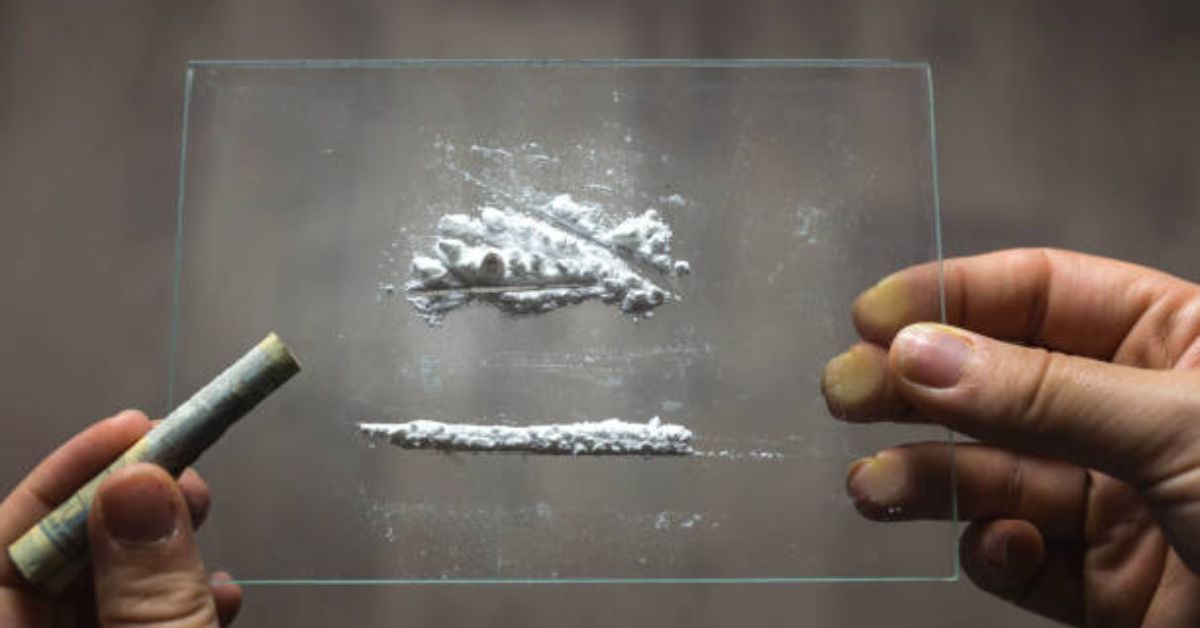
Drug addiction doesn’t happen overnight—it creeps in slowly, taking hold of individuals before they even realize the extent of their dependence. Recognizing the early signs of drug addiction is crucial to intervening before the problem spirals out of control. Early detection can save lives, restore relationships, and set individuals on the path to recovery. But how do you spot the red flags? Let’s break it down.
Understanding Drug Addiction
Drug addiction, also known as substance use disorder, is a chronic condition where a person becomes physically and mentally dependent on drugs. It affects the brain’s reward system, making it difficult to control urges. Over time, occasional use turns into a compulsion that negatively impacts all areas of life.
Common Causes and Risk Factors
Several factors can contribute to the development of drug addiction:
- Genetics: A family history of addiction increases the risk.
- Trauma: Unresolved emotional or physical trauma can lead to substance abuse.
- Peer Pressure: Especially common among teenagers and young adults.
- Mental Health Disorders: Conditions like anxiety, depression, and PTSD often coincide with addiction.
Physical Signs of Early Drug Addiction
Spotting physical changes early is one of the easiest ways to identify drug addiction. These signs can manifest in various ways, including:
Changes in Physical Appearance
- Unexplained weight loss or gain
- Bloodshot eyes or dilated pupils
- Poor personal hygiene and neglected grooming habits
- Frequent nosebleeds (common in cocaine use)
Health Issues and Physical Decline
- Persistent fatigue or lethargy
- Unexplained bruises or marks
- Frequent illness due to a weakened immune system
These physical indicators often appear long before an individual acknowledges they have a problem, making it essential to stay vigilant.
Behavioral Changes to Watch For
Behavioral changes can be subtle at first but become more pronounced as addiction worsens. Here’s what to look out for:
Altered Social Behavior
- Withdrawing from family and friends
- Sudden change in social circles
- Loss of interest in hobbies or activities they once loved
Mood Swings and Irritability
Mood changes can be drastic and unpredictable. One moment, the individual may seem euphoric, and the next, they’re agitated or depressed.
Changes in Sleep Patterns
Erratic sleep schedules, insomnia, or excessive sleeping can indicate substance abuse. Some drugs lead to hyperactivity, while others cause extreme drowsiness.
Emotional and Psychological Symptoms
Drug addiction not only affects physical health but also takes a toll on mental well-being.
Increased Anxiety or Depression
Substance abuse can worsen pre-existing mental health conditions. A person might experience heightened anxiety or prolonged bouts of depression.
Loss of Interest and Motivation
When someone is struggling with addiction, their usual passion for life often fades. They may neglect responsibilities and lose interest in work, school, or relationships.
Secretive or Suspicious Behavior
Addiction breeds secrecy. People may become defensive when questioned, start lying frequently, or hide their activities. If you notice these behaviors, it’s a significant red flag.
Impact on Personal and Professional Life
As addiction progresses, it starts to affect every aspect of a person’s life, from personal relationships to career performance.
Decline in Work or Academic Performance
Missed deadlines, frequent absences, and reduced productivity are telltale signs.
Strained Relationships
Addiction often leads to arguments, broken trust, and isolation. Friends and family may find it difficult to maintain relationships with the affected person.
Legal and Financial Issues
Substance abuse can result in risky behavior, which sometimes leads to trouble with the law or financial problems due to reckless spending on drugs.
Common Substances Linked to Addiction
There are numerous substances that can lead to addiction, each with distinct warning signs. It’s important to understand the most commonly abused substances and how they affect individuals.
Alcohol
Alcohol is one of the most commonly abused substances. What starts as social drinking can quickly turn into dependency. Early signs include drinking alone, increased tolerance, and withdrawal symptoms like tremors or irritability when not drinking.
Prescription Drugs
Prescription medication, especially painkillers, sedatives, and stimulants, is highly addictive when misused. Signs of addiction to prescription drugs include frequent requests for refills, “doctor shopping,” and unexplained drowsiness or hyperactivity.
Illicit Drugs
Drugs like cocaine, heroin, and methamphetamine carry significant health risks. Behavioral changes, financial troubles, and physical symptoms (such as track marks from injections) are red flags for illicit drug use.
How to Approach Someone You Suspect is Struggling
Addressing a suspected drug addiction is delicate and requires a thoughtful approach. The wrong words or attitude can push someone further away.
Dos and Don’ts When Addressing Concerns
- Do approach the person with empathy and an open mind.
- Do choose a calm, private setting for the conversation.
- Don’t judge or blame them. Addiction is a disease, not a moral failure.
- Don’t force solutions on them—encourage professional help instead.
Importance of Compassion and Understanding
The goal is to express concern without alienating the individual. Let them know you’re there to support them, no matter what. Be patient and avoid ultimatums, as these can backfire.
The Role of Professional Help
Once signs of addiction are confirmed, professional intervention is essential. There are many forms of help available, ranging from therapy to full rehabilitation programs.
Seeking Counseling and Therapy
Therapists and counselors trained in addiction recovery help individuals understand their triggers and develop coping strategies. Cognitive Behavioral Therapy (CBT) is particularly effective.
Detox Programs and Rehabilitation Centers
Detox programs provide medical supervision to help individuals safely overcome physical dependency. Following detox, rehabilitation centers offer structured environments for long-term recovery. Nasha Mukti Kendras, especially in cities like Chandigarh, provide comprehensive addiction treatment.
Preventive Measures and Building Resilience
Prevention is always better than cure. Educating people about the dangers of substance abuse and teaching them resilience can help reduce the risk of addiction.
Education and Awareness
Awareness campaigns in schools, workplaces, and communities are key to preventing addiction. Understanding how addiction begins can empower individuals to make better choices.
Healthy Lifestyle Practices
Maintaining a healthy lifestyle—regular exercise, balanced nutrition, and stress management—can reduce the likelihood of substance abuse.
Strong Support Systems
Having a reliable network of friends and family can be a protective factor against addiction. Encourage open conversations and emotional support.
How Family and Friends Can Help
When someone is battling addiction, the support of family and friends is invaluable. Recovery is not a solitary journey; it requires a collective effort.
Offering Emotional Support
The most important thing loved ones can do is offer a listening ear without judgment. Simple acts of kindness and understanding go a long way.
Encouraging Treatment and Recovery
Help the person research treatment options and accompany them to appointments. Recovery is daunting, but knowing they’re not alone can boost their confidence in seeking help.
Importance of Early Intervention
The earlier addiction is detected, the higher the chances of a successful recovery. Early intervention prevents further physical, mental, and emotional damage, setting individuals on a healthier path.
Preventing Escalation of Addiction
Unaddressed addiction worsens over time. Early intervention halts its progression, making recovery faster and less complicated.
Long-Term Benefits of Seeking Help Early
Individuals who seek help early often experience a more manageable recovery and are less likely to relapse. Early treatment can restore their physical health, relationships, and overall quality of life.
Support Systems and Recovery Programs
Support systems play a crucial role in long-term recovery. Many individuals rely on a combination of therapy, support groups, and rehabilitation centers.
Nasha Mukti Kendras and Other Recovery Resources
Nasha Mukti Kendra in Chandigarh is one such resource that provides comprehensive care, including counseling, medical detox, and therapy sessions. Recovery is not just about breaking free from drugs—it’s about rebuilding one’s life with the right guidance and support.
Community Support Groups
Support groups like Narcotics Anonymous (NA) create a sense of belonging and accountability. Sharing experiences with others who understand the struggle can be profoundly healing.
Overcoming the Stigma Around Addiction
The stigma surrounding addiction often prevents individuals from seeking help. Breaking down these barriers is crucial for promoting recovery.
Encouraging Open Dialogue
Start conversations about addiction in your community. The more we talk about it, the more we normalize seeking help.
Reducing Shame and Judgment
Avoid using stigmatizing language like “junkie” or “addict.” Focus on the person, not the problem, to reduce feelings of shame.
Conclusion
Identifying the early signs of drug addiction can be life-saving. By staying alert to physical, emotional, and behavioral changes, we can intervene early and guide our loved ones toward help and recovery. Remember, recovery is possible, and there is hope for a brighter future with the right support system. Professional help, like that offered at Nasha Mukti Kendra in Chandigarh, plays a critical role in this journey, offering the care and guidance individuals need to reclaim their lives.