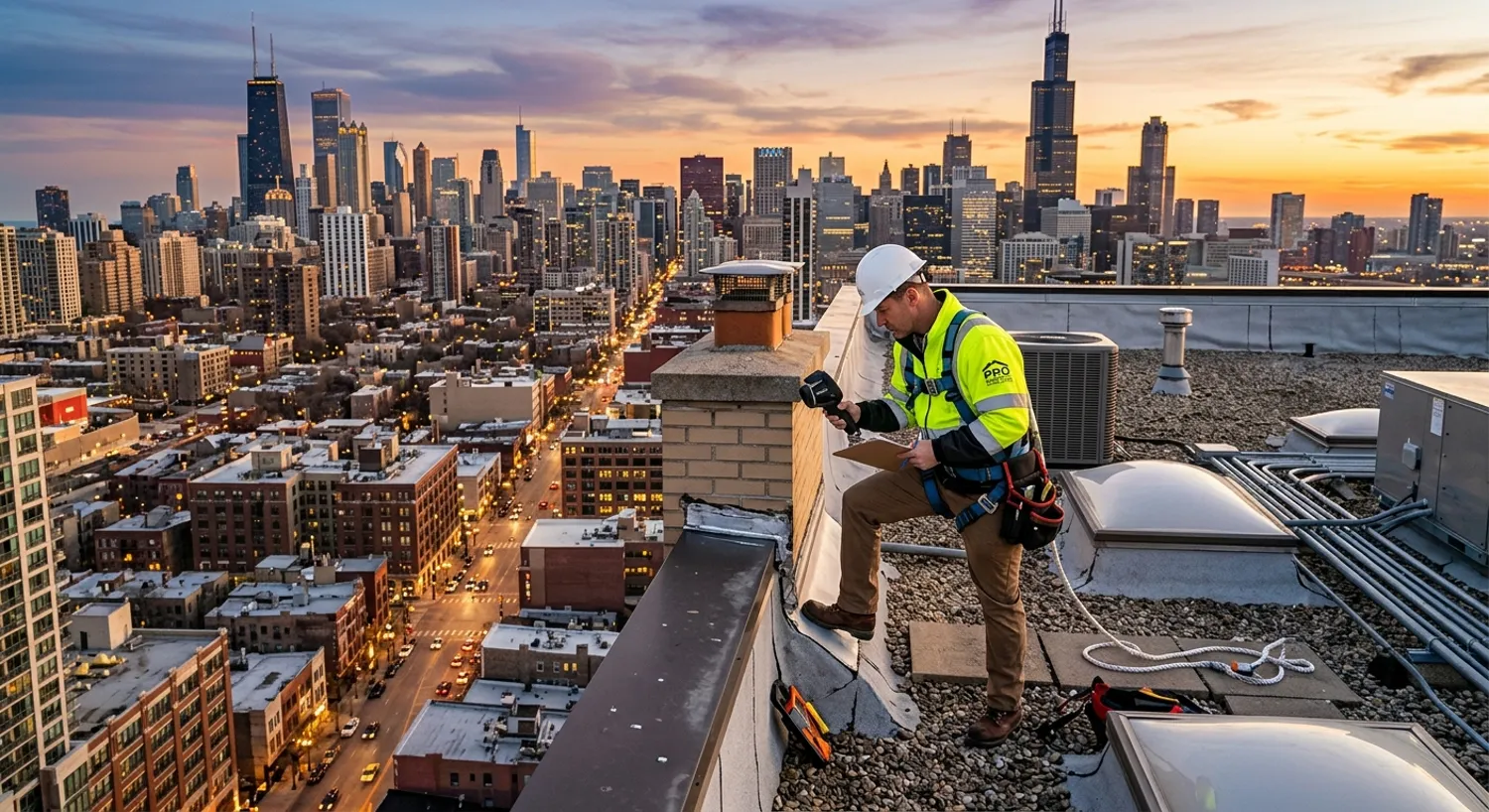
Roof leaks rarely begin as dramatic, obvious problems. More often, they start quietly—hidden beneath shingles, pooling on flat surfaces, or slowly seeping into insulation layers. By the time visible damage appears inside your home, the issue has often progressed far beyond a simple fix. For homeowners and property managers in the Bronx, where seasonal weather shifts can put constant stress on roofing systems, early detection is not just helpful—it’s essential.
Understanding how to identify the earliest warning signs of a roof leak can save you from expensive repairs, structural damage, and even health risks caused by mold growth. With a bit of awareness and routine observation, it becomes possible to catch problems long before they escalate.
Why Early Detection of Roof Leaks Matters
A roof is designed to act as a protective barrier, shielding your property from rain, snow, wind, and temperature fluctuations. When that barrier is compromised, even slightly, moisture can begin to penetrate layers of the structure. What starts as a minor leak can quickly lead to rotting wood, weakened insulation, and damaged ceilings.
In dense urban areas like the Bronx, buildings are often exposed to additional challenges such as limited drainage, debris buildup, and closely packed structures that restrict airflow. These conditions can accelerate the development of leaks, making early detection even more important.
Ignoring small warning signs often leads to larger repair costs. A minor patch today could prevent a full roof replacement tomorrow, which is why proactive monitoring is always the smarter approach.
Common Causes of Roof Leaks
Before identifying leaks, it helps to understand what typically causes them. Roof leaks are rarely random; they usually develop due to specific issues that worsen over time.
Aging Roofing Materials
All roofing systems have a lifespan. Asphalt shingles may begin to crack or curl, while flat roofing membranes can develop blisters or splits. As materials age, their ability to repel water diminishes, making leaks more likely.
Poor Installation or Workmanship
Even high-quality materials can fail if they are not installed correctly. Improper sealing, misaligned shingles, or weak flashing can create vulnerable points where water can enter.
Weather-Related Damage
Heavy rain, snow accumulation, and strong winds can all contribute to roof damage. In the Bronx, freeze-thaw cycles are particularly problematic, as expanding ice can widen small cracks and create new entry points for water.
Clogged Drainage Systems
Flat roofs especially rely on proper drainage. When gutters or drains become blocked with debris, water can pool and eventually seep into the roofing structure.
Early Warning Signs Inside Your Home
Many homeowners first notice roof leaks from inside their property. These early signs are often subtle but should never be ignored.
Water Stains on Ceilings and Walls
Discoloration is one of the most common indicators of a leak. Yellow or brown stains often suggest that water has been seeping through for some time. These marks may grow larger after rainfall, signaling an active issue.
Peeling Paint or Bubbling Plaster
Moisture trapped beneath paint or plaster can cause it to bubble, crack, or peel. This is often seen near ceilings or upper walls and can indicate a hidden leak above.
Musty Odors
A persistent damp smell may point to moisture buildup in areas that are not easily visible. Over time, this can lead to mold growth, which poses health risks and requires professional remediation.
Unexpected Increase in Energy Bills
If insulation becomes wet, it loses its effectiveness. This can cause your heating and cooling systems to work harder, resulting in higher energy costs.
Exterior Signs That Should Not Be Ignored
While interior symptoms are often the first to appear, inspecting the exterior of your roof can reveal problems even earlier.
Damaged or Missing Shingles
Shingles that are cracked, curled, or missing altogether create direct pathways for water to enter. Even a single missing shingle can compromise the surrounding area.
Ponding Water on Flat Roofs
Standing water that remains on a flat roof for more than 48 hours is a clear warning sign. This can weaken the roofing material and increase the risk of leaks.
Cracked Flashing and Sealants
Flashing around chimneys, vents, and skylights is designed to keep water out. When it becomes cracked or loose, it can allow moisture to seep in.
Blocked Gutters and Downspouts
Debris buildup prevents proper water flow, causing overflow that can damage both the roof and the building’s foundation.
The Role of Routine Roof Inspections
Regular inspections are one of the most effective ways to catch roof leaks early. Even if there are no visible signs of damage, periodic checks can identify potential weak points before they become serious issues.
Professional inspections are particularly valuable because trained experts know exactly what to look for. They can detect subtle problems that might go unnoticed by an untrained eye, such as small membrane punctures or early-stage material deterioration.
For property owners looking to stay ahead of costly repairs, investing in professional roof leak inspection services in the Bronx ensures that even the smallest issues are addressed promptly and effectively.
Preventative Measures to Avoid Major Leaks
Preventing roof leaks is always more cost-effective than repairing them. Simple maintenance steps can significantly reduce the risk of damage.
Keep Your Roof Clean
Removing debris such as leaves, branches, and dirt helps maintain proper drainage and prevents water buildup.
Address Minor Repairs Immediately
Small cracks or loose shingles should be fixed as soon as they are noticed. Delaying repairs allows the problem to worsen over time.
Ensure Proper Ventilation
Good airflow helps regulate temperature and reduces moisture buildup, which can weaken roofing materials.
Schedule Seasonal Maintenance
Checking your roof before and after extreme weather seasons can help identify and address damage early.
When to Call a Professional
While some minor issues can be spotted through visual inspection, roof leaks often require professional expertise to diagnose accurately. Attempting to fix a leak without proper knowledge can sometimes make the problem worse.
If you notice persistent signs such as recurring water stains, visible structural damage, or ongoing moisture issues, it’s time to consult a roofing expert. Professionals have the tools and experience needed to locate the exact source of a leak and provide a lasting solution.
Long-Term Impact of Ignoring Roof Leaks
Delaying action on a roof leak can have serious consequences. Beyond structural damage, prolonged moisture exposure can lead to mold growth, which affects indoor air quality and health. Additionally, weakened roofing systems are more vulnerable to further damage during storms.
Over time, what could have been a simple repair may turn into a full roof replacement, significantly increasing costs. Taking early action not only protects your property but also preserves its value.
Building a Proactive Approach to Roof Care
Identifying roof leaks before they become major issues is not about reacting to problems—it’s about staying ahead of them. By paying attention to early warning signs, conducting regular inspections, and addressing minor issues promptly, property owners can avoid costly repairs and maintain the integrity of their roofing systems.
A proactive approach ensures that your roof continues to perform its essential role, protecting your home or building from the elements while providing long-term peace of mind.