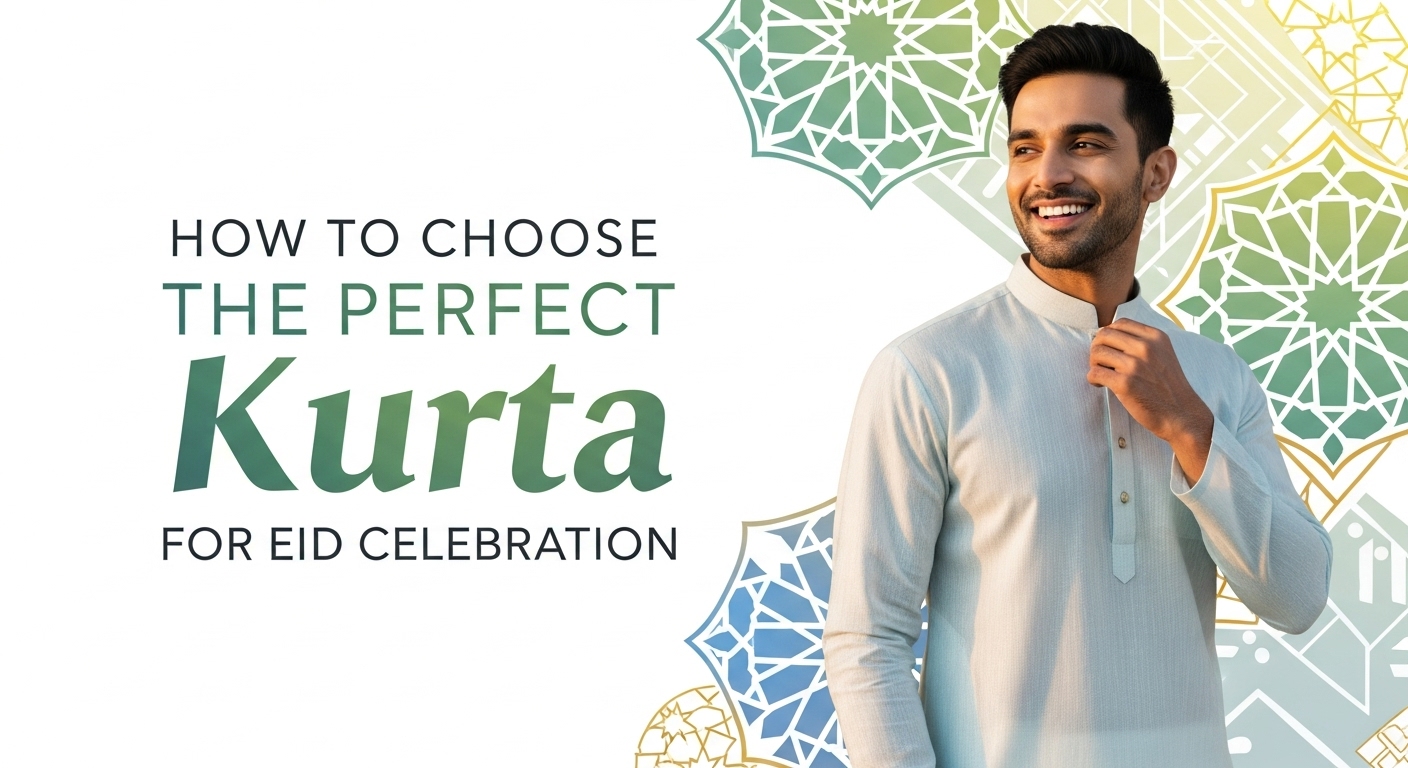
Choosing a kurta for Eid is not a routine shopping decision. It sits at the intersection of religious observance, family expectation, climate practicality, and personal presentation. Unlike wedding wear, Eid outfits are worn for extended hours, across multiple social environments, and under direct scrutiny in daylight. That combination makes careless choices visible very quickly.
The ideal kurta for Eid celebration does not announce itself aggressively. It holds composure across prayer, greeting, meals, and movement. It allows comfort without sacrificing structure, and tradition without looking dated. This balance is why Eid kurta selection requires more intent than most festive purchases.
Another overlooked aspect is reusability. A well-chosen Eid kurta often becomes part of a man’s long-term festive wardrobe. It appears again at family functions, smaller celebrations, or cultural gatherings. Poorly chosen pieces rarely leave the cupboard after Eid ends.
The Importance of the Right Kurta for Eid
Eid dressing carries social meaning. It signals respect for the occasion, attentiveness to tradition, and personal discipline. The kurta becomes the central garment through which this meaning is expressed. Selecting it casually often leads to outfits that feel mismatched with the day’s emotional and cultural tone.
The right kurta supports the rhythm of Eid. Morning prayers demand restraint and comfort. Afternoon family visits require ease and polish. Evening gatherings allow slightly elevated styling. A poorly selected kurta struggles to adapt across these transitions.
Fit, fabric, and colour influence how a man carries himself through the day. Discomfort changes posture. Excessive styling draws attention in the wrong direction. The right Eid kurta allows the wearer to focus on people and moments rather than on adjusting clothing.
Understanding Eid Fashion for Men
Eid fashion for men in India is guided less by runway trends and more by lived tradition. Regional customs, family expectations, and climatic conditions shape what feels appropriate. What works in a metropolitan evening setting may feel excessive in a conservative daytime gathering.
Men’s Eid fashion values clarity. Clean silhouettes, breathable fabrics, and controlled detailing consistently outperform experimental styling. This preference explains why kurta-based outfits remain dominant year after year, even as minor design details evolve.
There is also an implicit hierarchy in Eid dressing. Overly casual clothing appears dismissive, while excessively ornate outfits can feel misplaced. Successful Eid fashion sits in the middle ground, formal enough to show respect, restrained enough to remain dignified.
Why Kurta is the Preferred Outfit for Eid
The kurta remains the preferred Eid garment because it satisfies multiple functional and cultural requirements simultaneously. It offers coverage suitable for prayer, comfort for long wear, and adaptability across social settings. Few other garments achieve this balance as effectively.
Structurally, the kurta allows airflow while maintaining form. This matters during warm Indian summers, particularly when Eid falls during hotter months. The garment accommodates movement without constant adjustment, an essential feature during greetings and communal activities.
Culturally, the kurta aligns with shared visual language. Across age groups and regions, it communicates festivity without excess. This universality explains why eid kurta for men continues to dominate festive wardrobes despite the availability of alternative styles.
Traditional vs Modern Eid Kurta Styles
Traditional Eid kurta styles prioritize familiarity and continuity. Straight cuts, band collars, subtle embroidery, and neutral or light colours define this category. These kurtas integrate seamlessly into conservative family environments and religious settings.
Modern Eid kurta styles reinterpret the same base through updated fits, textures, and construction details. Changes are often subtle: sharper collars, refined plackets, tapered silhouettes, or contemporary fabric blends. The goal is evolution rather than disruption.
Choosing between traditional and modern styles depends largely on context. Men attending large family gatherings or community prayers often lean traditional. Those with evening social plans or younger peer groups may prefer modern interpretations. The most versatile choice often sits between the two.
Choosing the Right Fabric for Eid Kurta
Fabric choice determines how a kurta performs over time. Comfort, durability, and appearance are all fabric-dependent. Selecting fabric based only on visual appeal frequently leads to regret during extended wear.
The right fabric responds well to heat, resists excessive creasing, and maintains structure after hours of movement. Eid celebrations expose fabric weaknesses quickly, making this decision foundational rather than secondary.
Cotton Kurta for Eid Celebration
Cotton remains the most dependable fabric for Eid wear. A cotton kurta for Eid celebration offers breathability, softness, and resilience during long hours. This makes it particularly suitable for prayer-heavy schedules and daytime gatherings.
Pure cotton kurta for men vary widely in quality. Fine-count cotton provides a smoother finish and better fall, while heavier cotton offers opacity and structure. Both serve different preferences, but fabric consistency remains critical.
Cotton also supports minimal design effectively. Plain or lightly textured cotton kurtas often appear more refined than heavily decorated alternatives, especially in daylight settings.
Silk & Festive Fabrics for Eid Kurta
Silk and silk-blend fabrics are chosen for visual richness rather than endurance. They reflect light differently, creating a sense of occasion suitable for formal family events or evening celebrations.
These fabrics require more care. Heat retention, reduced airflow, and sensitivity to movement make them less forgiving during long wear. Men choosing silk kurta for men usually plan their schedule around shorter appearances.
When selected carefully, festive fabrics elevate the Eid kurta design without overwhelming the wearer. Controlled embroidery and structured silhouettes help maintain balance.
Blended Fabrics for Attractive Styles
Blended fabrics combine the strengths of natural and synthetic fibres. They offer improved crease resistance, structural stability, and consistent colour retention. This makes them popular in modern kurta for EID.
These fabrics suit men who want clean lines and sharper silhouettes without sacrificing too much comfort. They also support contemporary design elements more effectively than pure cotton.
However, blend quality varies significantly. Poor blends compromise breathability, making careful sourcing essential.
Selecting the Best Kurta Fit & Length
Fit is the most underestimated factor in Eid dressing, largely because many men associate kurta comfort with looseness. That assumption often leads to silhouettes that appear careless rather than relaxed. On Eid, where social interaction is constant and close-range, fit determines how composed a kurta looks throughout the day.
A well-fitted Eid kurta should follow the natural line of the shoulders without pulling across the chest. Excess fabric around the torso tends to collapse when sitting or walking, creating an untidy appearance after a few hours. At the same time, overly tight kurtas restrict movement during prayer and greetings, which quickly becomes uncomfortable.
Sleeve fit deserves special attention. Sleeves that are too narrow limit arm movement, while overly wide sleeves lose shape by midday. The correct sleeve allows free movement while maintaining a clean line from shoulder to cuff. This balance is critical for a kurta for Eid, where the garment must perform functionally before it performs visually.
Length completes the equation. A kurta that ends too high feels informal and disrupts proportion, especially when paired with traditional bottoms. Excessive length, on the other hand, adds unnecessary bulk and interferes with walking rhythm. The most reliable Eid kurta length sits just at or slightly above the knee, offering structure without stiffness.
Slim Fit vs Regular Fit Kurta for Eid
The slim fit versus regular fit debate often gets reduced to personal preference, but on Eid it becomes a matter of practicality. Slim fit kurtas emphasize shape and appear modern, yet they require precision tailoring and fabric flexibility. Without those, discomfort sets in quickly, particularly during long wear.
Regular fit kurtas remain the safer option for most men. They allow airflow, accommodate posture changes, and adapt better across varied Eid activities. Regular fits also carry a traditional visual language that aligns well with family gatherings and religious settings.
The deciding factor should not be trend awareness but body structure and tolerance for constraint. Men with athletic builds and access to accurate sizing may carry slim fits comfortably. Others benefit from regular fits that maintain dignity and ease. For eid kurta for men, comfort that looks intentional always outperforms sharpness that feels forced.
Best Kurta Colours for Eid Celebration
Colour selection on Eid operates under a different logic than wedding or party dressing. Eid outfits are worn in daylight, photographed in natural settings, and viewed repeatedly at close distance. Colours that appear attractive in isolation can feel overpowering or awkward in these conditions.
The safest Eid colours are those that harmonize with group settings. Family gatherings often feature multiple people wearing light tones, so cohesion matters more than contrast. A well-chosen colour blends into the celebratory environment rather than dominating it.
Fabric and colour must be evaluated together. A colour that looks rich on silk may appear flat on cotton. Similarly, light colours demand higher fabric quality, as flaws become visible immediately. Choosing the best kurta colour for eid therefore involves understanding how colour behaves on a specific fabric, not just visual preference.
White & Off-White Kurta for Eid
White continues to be the most reliable Eid colour because it communicates restraint, cleanliness, and cultural continuity. A white kurta for men aligns naturally with prayer settings and daytime gatherings, requiring minimal styling to feel complete.
Off-white shades have grown in popularity because they soften the starkness of pure white. Cream, ivory, and warm off-white tones photograph better indoors and offer slight visual warmth without breaking tradition. An off white kurta also pairs well with neutral footwear and understated accessories.
The critical factor with white and off-white is fabric integrity. Thin or poorly finished fabric undermines the entire look. A well-constructed white kurta pajama maintains structure, opacity, and composure throughout the day, which is why quality matters more here than in darker shades.
Pastel Shades for a Fresh Eid Look
Pastels represent a modern interpretation of Eid dressing without challenging its cultural boundaries. Soft greens, powder blues, muted peach, and light lavender introduce freshness while remaining respectful and understated.
These shades work particularly well for daytime Eid celebrations, where natural light enhances their softness. Pastels also integrate smoothly into family photos, avoiding the harsh contrast that darker colours sometimes create.
However, pastels are unforgiving. Uneven dyeing, poor stitching, or weak fabric quality become immediately noticeable. This makes careful selection essential, especially when choosing Eid kurta design options in lighter palettes. When executed correctly, pastels deliver elegance without effort.
Bold & Dark Colours for Evening Eid Events
Dark colours serve a specific purpose on Eid: evening presence. As daylight fades and gatherings become more formal, deeper tones introduce gravity and structure. Black, deep navy, maroon, and bottle green are common choices for this phase of the day.
A black kurta for men can appear exceptionally refined when fabric texture prevents it from looking flat. Matte finishes and subtle detailing help maintain depth under artificial lighting.
Dark colours demand precise tailoring. Construction flaws stand out more clearly, making fit accuracy non-negotiable. When chosen carefully, darker kurtas elevate kurta pajama for Eid into a more formal visual space without appearing excessive.
Kurta Pajama vs Kurta Churidar for Eid
The choice between kurta pajama and kurta churidar is not merely aesthetic; it determines how the outfit behaves across the day. Eid involves prayer, prolonged sitting, walking, social interaction, and extended wear, which means the lower garment must support movement before it supports style.
Kurta pajama for Eid remains the most practical and widely accepted option because it balances tradition with physical ease. Pajamas allow natural leg movement, accommodate posture changes during prayer, and remain comfortable during long visits. This comfort translates visually as well, since the wearer appears relaxed rather than constrained.
Churidars introduce a sharper, more ceremonial silhouette. They create vertical emphasis and pair well with structured or festive kurtas. However, this structure comes at a cost. Tight calf fitting and fabric stretch limitations can become uncomfortable after several hours, particularly in warmer conditions. Churidars are therefore better suited for shorter Eid appearances or evening gatherings rather than full-day wear.
The decision should be guided by schedule and environment. Men attending morning prayers and extended family lunches benefit from kurta pajama combinations. Those attending formal evening events or limited engagements may opt for churidars without discomfort. In Eid dressing, functional harmony always outweighs visual sharpness.
Classic Kurta Pajama for Eid
The classic kurta pajama combination has endured because it resolves multiple requirements simultaneously. It respects tradition, supports comfort, and adapts easily across settings without appearing repetitive or dated.
A well-balanced kurta pajama relies on proportion. Pajamas that are excessively loose undermine the kurta’s structure, while overly narrow cuts restrict movement. The ideal pajama tapers gently, maintaining shape without clinging. This balance ensures the kurta remains the focal point rather than competing with the bottom.
Fabric coordination is equally important. Heavy kurtas paired with lightweight pajamas create visual imbalance, while matched fabric weights move cohesively. This is why curated kurta pajama for eid sets often outperform mixed pairings, especially for men who prefer reliability over experimentation.
The strength of the classic kurta pajama lies in restraint. When cut and coordinated correctly, it requires minimal styling intervention and remains appropriate across all Eid settings.
Stylish Kurta Churidar & Salwar Options
Churidar-based Eid outfits communicate formality and intention. The fitted lower garment introduces discipline into the silhouette, which works particularly well with festive fabrics and tailored kurtas.
However, churidar styling demands accuracy. Incorrect length causes fabric stacking at the ankle, while tight construction restricts stride and comfort. These issues become more pronounced during extended wear, which is why churidars are less forgiving than pajamas.
Salwar-style bottoms appear less frequently but hold cultural relevance in specific regions and family traditions. They offer ease similar to pajamas while introducing a distinct regional identity. When paired thoughtfully, they maintain cultural depth without sacrificing comfort.
Men choosing churidar or salwar options should prioritize fit trials and movement testing. Eid outfits reward foresight, not visual ambition.
Eid Kurta Design & Styling Elements
Design elements determine whether a kurta feels festive or forced. Effective Eid kurta design communicates refinement through control rather than excess. Each element should serve a purpose, either structural or visual.
Over-designed kurtas often struggle beyond one occasion. Heavy motifs, excessive embroidery, or aggressive contrasts limit reuse and reduce versatility. In contrast, disciplined design choices extend the garment’s relevance well beyond Eid.
Understanding which design elements enhance wearability helps narrow selection quickly, especially in stores with extensive collections.
Embroidery, Prints & Minimal Designs
Embroidery adds value only when scale and placement are controlled. Fine threadwork along the placket, chest, or collar elevates the kurta without overwhelming it. Dense embroidery across large surfaces often feels more appropriate for weddings than Eid.
Prints require greater restraint. Small-scale, tonal prints integrate more naturally into Eid settings than bold or high-contrast patterns. Printed kurtas succeed when they appear intentional rather than decorative.
Minimal designs rely entirely on fabric quality and cut. A plain kurta made from superior fabric with clean finishing often appears more premium than heavily worked alternatives. This is why minimal eid kurta design remains a preferred choice for experienced buyers.
Collar, Placket & Sleeve Details
Collar design influences the kurta’s formality. Band collars remain the most versatile option for Eid, aligning with both traditional and modern contexts. Structured collars lean contemporary and suit evening wear more effectively.
Placket detailing creates vertical focus and frames the neckline. Subtle contrast stitching or refined button choices add depth without drawing undue attention. Poorly executed plackets, however, become immediate focal points for the wrong reasons.
Sleeves determine comfort. Proper sleeve width allows free arm movement without excess fabric. Clean cuff finishing maintains polish throughout the day, particularly during repeated movement and interaction.
Accessories to Complete Your Eid Kurta Look
Accessories should complement, not compete. Eid styling benefits from minimalism. A restrained wristwatch, subtle ring, or understated bracelet adds completion without distraction.
Dupattas may be used selectively with festive kurtas, particularly for evening gatherings. Over-accessorizing weakens the cultural tone of Eid attire and shifts focus away from the garment itself.
The goal is cohesion. Accessories should feel inevitable, not added.
Footwear to Match Eid Kurta Pajama
Footwear anchors the outfit’s foundation. Traditional mojaris and sandals pair naturally with classic kurta pajama combinations. Neutral tones offer versatility and maintain visual balance.
Modern kurtas may accommodate loafers or minimal slip-ons, provided they remain understated. Overly casual footwear undermines even the most refined kurta.
Comfort remains critical. Eid involves movement and standing, making footwear choice a functional decision as much as a stylistic one.
Mistakes to Avoid While Buying Eid Kurta
Most Eid kurta mistakes happen not because of poor taste, but because of hurried decisions. Eid shopping often gets delayed until the last moment, which forces compromises on fit, fabric, or comfort. These compromises reveal themselves quickly once the kurta is worn for several hours.
One common mistake is prioritizing design over wearability. Heavy embroidery, dense surface work, or stiff fabrics may look impressive under store lighting, but they restrict movement and trap heat. Eid outfits demand endurance. If a kurta feels even slightly uncomfortable during trial, that discomfort will multiply during actual wear.
Another frequent error is ignoring proportion. Buying a kurta that is too long, too loose, or paired with an ill-matched bottom disrupts balance. Eid kurtas rely on clean lines and controlled silhouettes. Excess fabric rarely translates into elegance.
Men also tend to underestimate the importance of fabric opacity and finish, especially with lighter colours. Poor-quality white or pastel kurtas lose structure quickly and show creases, transparency, or stitching flaws. This is why fabric inspection matters as much as visual appeal.
Finally, impulse buying without considering the full day’s schedule leads to regret. A kurta chosen for appearance alone may fail during prayer, long visits, or travel. Eid clothing rewards foresight, not spontaneity.
Where to Buy the Best Kurta for Eid in India
Buying an Eid kurta today involves balancing convenience with certainty. Online platforms offer reach and variety, while physical stores provide tactile evaluation and fitting confidence. The most effective approach allows buyers to choose based on preference rather than limitation.
Online shopping works best for men who already understand their size, preferred fabrics, and fit style. It allows access to wider collections, easier comparisons, and doorstep delivery, particularly useful for buyers outside major retail hubs.
Physical stores remain important for first-time buyers, men seeking precise fit, or those uncertain about fabric behavior. Trial-based selection reduces error and provides immediate clarity, especially for light-coloured or festive fabrics.
Brands that operate across both online and offline channels tend to offer the most flexibility. They support informed browsing online while still providing in-person reassurance when needed. This hybrid model aligns well with how Eid shopping actually happens.
Nawab Parker
For buyers looking to combine online convenience with traditional retail assurance, Nawab Parker offers a structured option. Through its official website, nawabparker.com, customers across India can explore a dedicated kurta for eid collection, compare designs, and place orders with home delivery typically completed within seven days. This makes the collection accessible to shoppers well beyond regional boundaries.
The online range focuses on ready-to-wear Eid kurtas and coordinated kurta pajama sets designed for real-use conditions rather than display-only styling. This approach suits buyers who value clarity in fabric, sizing, and wearability while shopping remotely.
At the same time, local shoppers benefit from Nawab Parker’s physical presence in Patna and Jharkhand. Customers visiting in person can try multiple fits, assess fabric quality directly, and request minor alterations before finalizing their purchase. This dual availability allows buyers to choose how they shop without compromising on selection or standards.
Whether ordered online from another city or purchased locally after trial, the emphasis remains on practical Eid dressing—balanced design, dependable fit, and garments suited for extended wear across the celebration.
Final Thoughts: Celebrate Eid in Style
Eid style succeeds when it feels natural rather than constructed. The right kurta supports comfort, respects tradition, and adapts quietly to the rhythm of the day. It allows the wearer to remain present, composed, and confident without drawing unnecessary attention.
Choosing thoughtfully means considering fabric behavior, fit accuracy, colour harmony, and schedule demands together rather than in isolation. When these elements align, the kurta becomes an effortless part of the celebration instead of a concern.
Eid dressing, at its best, is understated and intentional. That balance remains timeless.
FAQs
What is the best kurta for Eid celebration?
The best kurta for Eid depends on the day’s schedule. Cotton kurtas suit long daytime wear, while festive fabrics work better for shorter or evening gatherings.
Is kurta pajama suitable for all-day Eid wear?
Yes. Kurta pajama combinations offer the best balance of comfort and tradition, making them ideal for extended Eid celebrations.
Which kurta colours work best for Eid?
White, off-white, and pastel shades suit daytime events, while darker colours are better reserved for evening gatherings.
Can I buy Eid kurta online in India?
Yes. Many brands, including Nawab Parker, offer online ordering with nationwide delivery.
How early should Eid kurta shopping be done?
Shopping at least one to two weeks in advance allows time for size exchanges or minor alterations.
Explore more from Nawab Parker:
Shop by Occasion
- Wedding Kurta for Men
- Kurta Set for Rakhi
- Kurta for Navratri
- Kurta for Mehndi
- Kurta for Diwali
- Kurta for Haldi
- Kurta for Puja
- Kurta for Holi
- Kurta for Eid
Shop by Color
- Black Kurta for Men
- White Kurta for Men
- Blue Kurta for Men
- Green Kurta for Men
- Yellow Kurta for Men
- Maroon Kurta for Men
- Pink Kurta for Men
- Purple Kurta for Men
- Red Kurta for Men