1.Art collecting
Collecting art can be an incredibly rewarding and enriching experience. Each piece of art has its own story and can bring joy, inspiration, and a sense of beauty to your life. Whether you're a seasoned art collector or just starting out, this guide will provide you with valuable tips and insights on how to start and build an impressive painting collection.
2.Understanding the art market
In order to effectively collect paintings, it's important to have a good understanding of the art market. This includes being familiar with different art styles, movements, and the works of notable artists. Researching and studying art history can greatly enhance your knowledge and appreciation for paintings.
3.Curating your collection
Building an impressive painting collection involves curating a selection of beautiful artworks that resonate with you personally. While it's tempting to follow trends or collect what others deem as valuable, the key is to collect paintings that you truly love and that evoke emotions within you.
When curating your collection, consider the following:
Aesthetic cohesion
Having a cohesive theme or aesthetic within your collection can create a visually stunning display. This doesn't mean all your paintings need to be the same style or genre, but they should have a certain harmony when exhibited together.
Diversity
Embrace diversity within your collection by acquiring paintings from various artists, time periods, and styles. This will not only create variety but also showcase the breadth of your artistic interests and tastes.
Explore emerging artists
While acquiring renowned artworks can be impressive, it's also worth exploring the works of emerging artists. Supporting new talent not only adds value to your collection but also contributes to the growth and development of the art world.
4.Developing an eye for quality
Recognizing the quality of a painting is essential when building an impressive collection. Here are some factors to consider:
Authenticity
Ensure that the paintings you acquire are authentic and not reproductions. This can be done by verifying the artwork's provenance and ensuring it comes from a reputable source.
Condition
Closely inspect the condition of the painting, looking for any signs of damage or deterioration. Professional art conservators can help assess and restore paintings if needed.
Investment potential
While collecting art should primarily be driven by passion and personal enjoyment, it's worth considering the investment potential of certain artworks. Researching market trends and consulting with experts can help you make informed decisions.
5.Navigating the art market
Once you've developed an understanding of the art market and honed your curatorial skills, it's time to dive into the world of buying and selling paintings. Here are some tips to help you navigate the art market:
Establish connections
Attend art exhibitions, gallery openings, and art fairs to establish connections within the art community. Building relationships with artists, gallery owners, and collectors can provide you with valuable insights and opportunities.
Work with reputable dealers
When purchasing artworks, work with reputable dealers who have a track record of selling authentic and high-quality pieces. Do your research, read reviews, and seek recommendations from other collectors.
Auctions and online platforms
Auctions and online platforms offer a wide range of artworks for sale. Participating in auctions can be exciting, but it's important to set a budget and stick to it. Online platforms provide access to a global art market and allow you to browse and purchase art from the comfort of your own home.
Insurance and protection
When you start building an impressive painting collection, it's crucial to ensure proper insurance coverage. Art insurance will protect your investment in case of damage, theft, or loss.
6.Growing your painting collection
As your passion for collecting art grows, so can the size and quality of your painting collection. Here are some strategies to help you expand and enhance your collection:
Visit art museums and galleries
Continually expose yourself to art by visiting museums, galleries, and exhibitions. This will broaden your knowledge, expose you to different artists and styles, and inspire new additions to your collection.
Attend art events and auctions
Attending art events, including auctions, can provide you with unique opportunities to acquire new paintings. Keep an eye on local and international art events that align with your artistic interests.
Collaborate with artists
Consider collaborating directly with artists to commission personalized artworks. This allows you to have a one-of-a-kind piece that fits your artistic vision and can strengthen your connection to the art world.
Engage with the art community
Stay engaged in the art community by joining art clubs, attending artist talks, or participating in art-related workshops. This will help you connect with fellow art enthusiasts and stay up-to-date with current trends and developments.
Document and preserve your collection
It's important to document and preserve your painting collection for future generations to enjoy. Keep a record of each artwork, including its provenance, condition reports, and any notable exhibitions it has been a part of.
7.Conclusion
Building an impressive painting collection is a journey that requires passion, knowledge, and a discerning eye. By understanding the art market, curating your collection with intention, and actively engaging with the art community, you can create a unique and visually striking collection that reflects your personal taste and appreciation for art. Remember, collecting art is a lifelong pursuit, so enjoy the process and let your collection evolve over time.
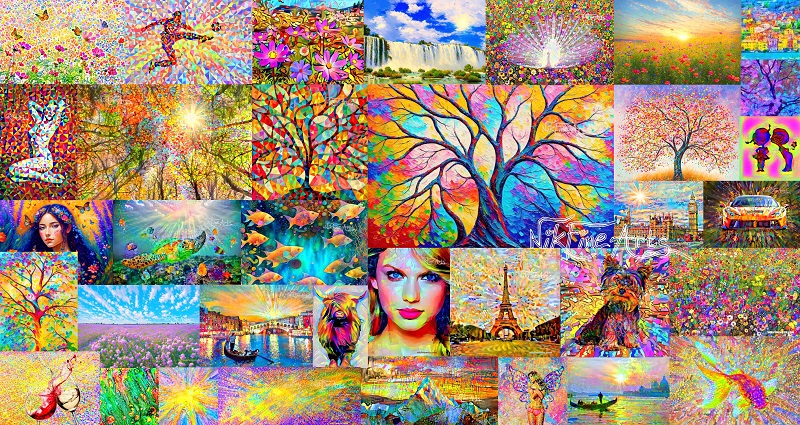
Source: Colorful artworks by artist Nik Tod from Art Studio NikFineArts