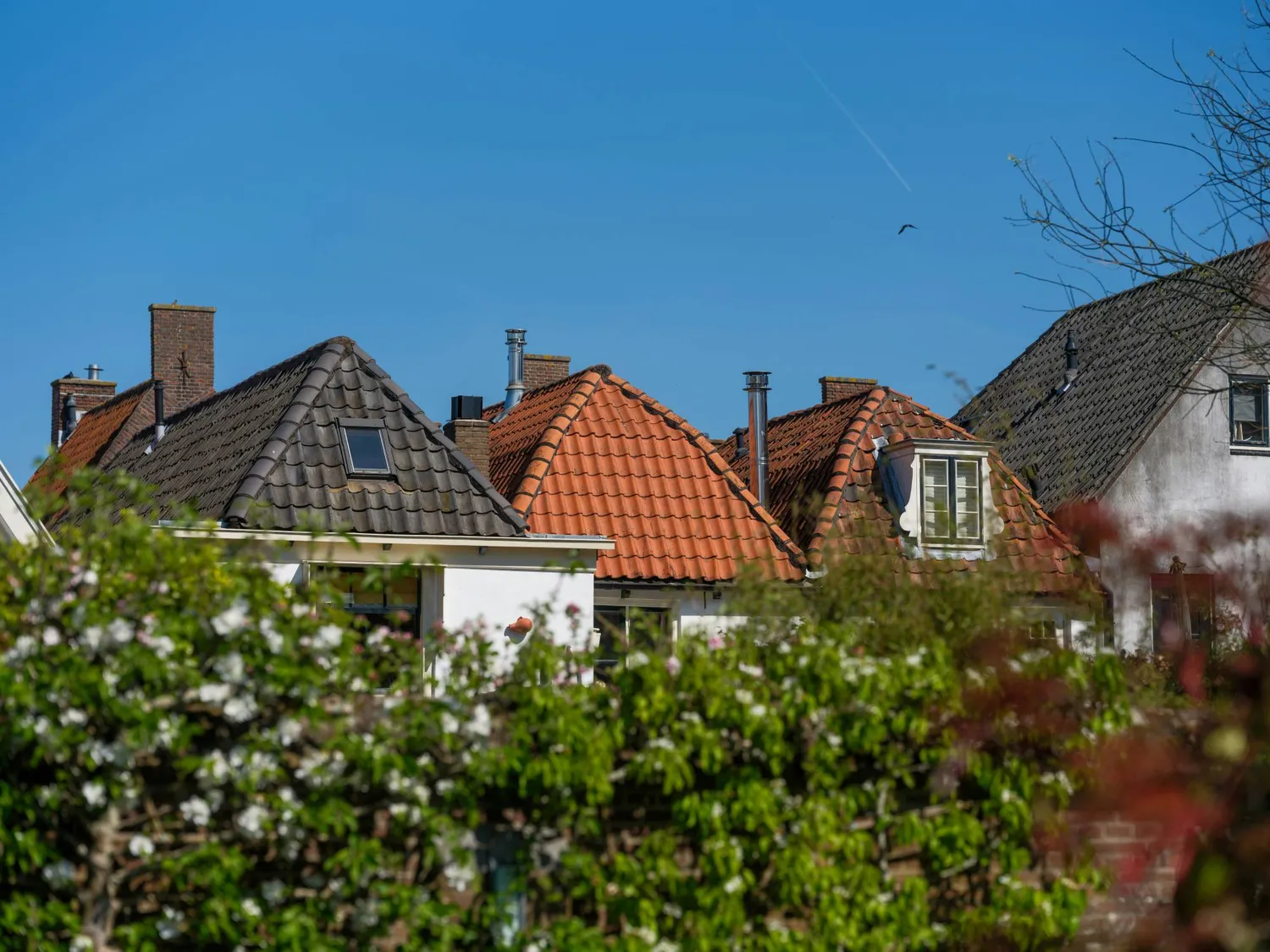
When homeowners think about insulation, the focus usually stays inside the walls—fiberglass batts, spray foam, or other internal solutions designed to regulate temperature. What often gets overlooked is the role exterior siding plays in that same process. Siding is not just a finishing layer that improves appearance; it acts as a protective shell that directly influences how well a home retains heat in winter and stays cool in summer. In areas like Williamsburg, where seasonal temperature changes are significant, the condition and quality of siding can have a noticeable impact on overall energy efficiency.
Every home experiences some degree of heat transfer. During colder months, warm air generated inside the home naturally tries to escape. In warmer months, heat from outside pushes inward. Insulation slows down this transfer, but siding works as the first line of defense. When siding is properly installed and in good condition, it reduces the amount of air exchange between the interior and exterior. When it begins to deteriorate, gaps and weak points allow air to move more freely, making it harder to maintain stable indoor temperatures.
One of the most important ways siding improves insulation is by creating an additional barrier against external elements. Modern siding materials are designed with energy performance in mind. Many options include insulated backing that adds an extra layer of thermal resistance. This helps reduce heat loss during winter and limits heat gain during summer. The result is a more consistent indoor environment and reduced reliance on heating and cooling systems.
Vinyl siding, in particular, has evolved significantly in recent years. Insulated vinyl siding includes rigid foam backing that fills the space between the siding and the wall. This not only improves thermal performance but also reduces noise from outside. For homeowners in urban neighborhoods like Williamsburg, where street activity is constant, this added benefit can improve overall comfort inside the home.
Another factor to consider is air leakage. Even small gaps in siding can allow drafts to enter, affecting insulation performance. Over time, siding may warp, crack, or loosen due to weather exposure. These openings may not always be visible from a distance, but they can still impact energy efficiency. Properly installed siding creates a tight seal that minimizes these gaps, helping maintain controlled airflow.
Moisture control is closely linked to insulation as well. When siding is damaged or improperly installed, water can seep behind the panels and reach the insulation layer. Moisture reduces the effectiveness of insulation materials and can lead to mold growth or structural damage. Quality siding systems are designed to shed water efficiently, preventing it from penetrating deeper into the wall structure. This protection helps preserve both insulation performance and overall structural integrity.
Installation quality plays a major role in how well siding performs. Even high-quality materials can fail if they are not installed correctly. Professional installation ensures that panels are aligned properly, fastened securely, and sealed at joints and edges. It also ensures that flashing around windows, doors, and corners is integrated correctly to prevent leaks. These details may not be visible once the project is complete, but they determine how effectively the siding contributes to insulation.
Another benefit of upgrading siding is improved energy efficiency throughout the home. When siding reduces heat transfer and air leakage, heating and cooling systems do not have to work as hard to maintain comfortable temperatures. This can lead to lower energy bills over time. While the savings may not be immediate, they become more noticeable as the home continues to perform efficiently across different seasons.
In Williamsburg, where many homes feature older construction, siding upgrades can make a significant difference. Older siding materials may not meet current energy performance standards, and years of wear can reduce their effectiveness. Replacing outdated siding with modern, insulated options provides an opportunity to improve both appearance and functionality at the same time.
Siding also works in combination with other exterior components. Roofing, windows, and insulation systems all interact to create a complete thermal barrier. When one component is weak, it affects the performance of the others. Upgrading siding helps strengthen this overall system, ensuring that each element supports the goal of maintaining indoor comfort.
Aesthetic improvement is another advantage that often comes with siding upgrades. While the primary focus may be insulation, new siding also refreshes the home’s exterior appearance. Modern materials are available in a wide range of colors and textures, allowing homeowners to match their architectural style while improving performance. This combination of visual appeal and functional benefit makes siding replacement a valuable investment.
Durability is also worth considering. High-quality siding materials are designed to withstand weather conditions such as wind, rain, and temperature fluctuations. This durability ensures that the insulation benefits remain consistent over time. Frequent repairs or replacements can disrupt insulation performance, so investing in durable materials helps maintain long-term efficiency.
Homeowners should also pay attention to signs that siding may no longer be performing effectively. Rising energy bills, uneven indoor temperatures, or noticeable drafts near walls can all indicate insulation issues related to siding. Visible damage such as cracks, warping, or fading may also signal that the material has reached the end of its lifespan. Addressing these issues early prevents further energy loss and structural problems.
Professional inspections provide valuable insight into siding condition. Contractors can identify areas where insulation performance may be compromised and recommend appropriate solutions. This might involve targeted repairs or a complete siding replacement, depending on the extent of the issue. Having a clear understanding of the problem allows homeowners to make informed decisions that improve both comfort and efficiency.
Ultimately, siding plays a larger role in home insulation than many people realize. It acts as a protective barrier, supports internal insulation systems, and helps regulate temperature throughout the year. When siding is well-maintained and properly installed, it contributes to a more energy-efficient home and a more comfortable living environment.
For homeowners looking to improve energy performance and protect their property, exploring energy-efficient siding services in Williamsburg can provide practical solutions tailored to modern insulation needs.