Practical knowledge plays an important role in developing an SAP MM career, but learners can begin building these skills without being involved in an actual implementation. Simulated business cases, hands-on exercises, procurement workflows, and project-based practice can help learners understand how SAP MM is used in real business environments. Consistent practice also makes it easier to connect functional concepts with everyday material management activities. SAP MM Training in Chennai helps learners develop practical skills in procurement, inventory management, material planning, purchasing, and SAP MM processes for career opportunities.
Practice Realistic Scenarios
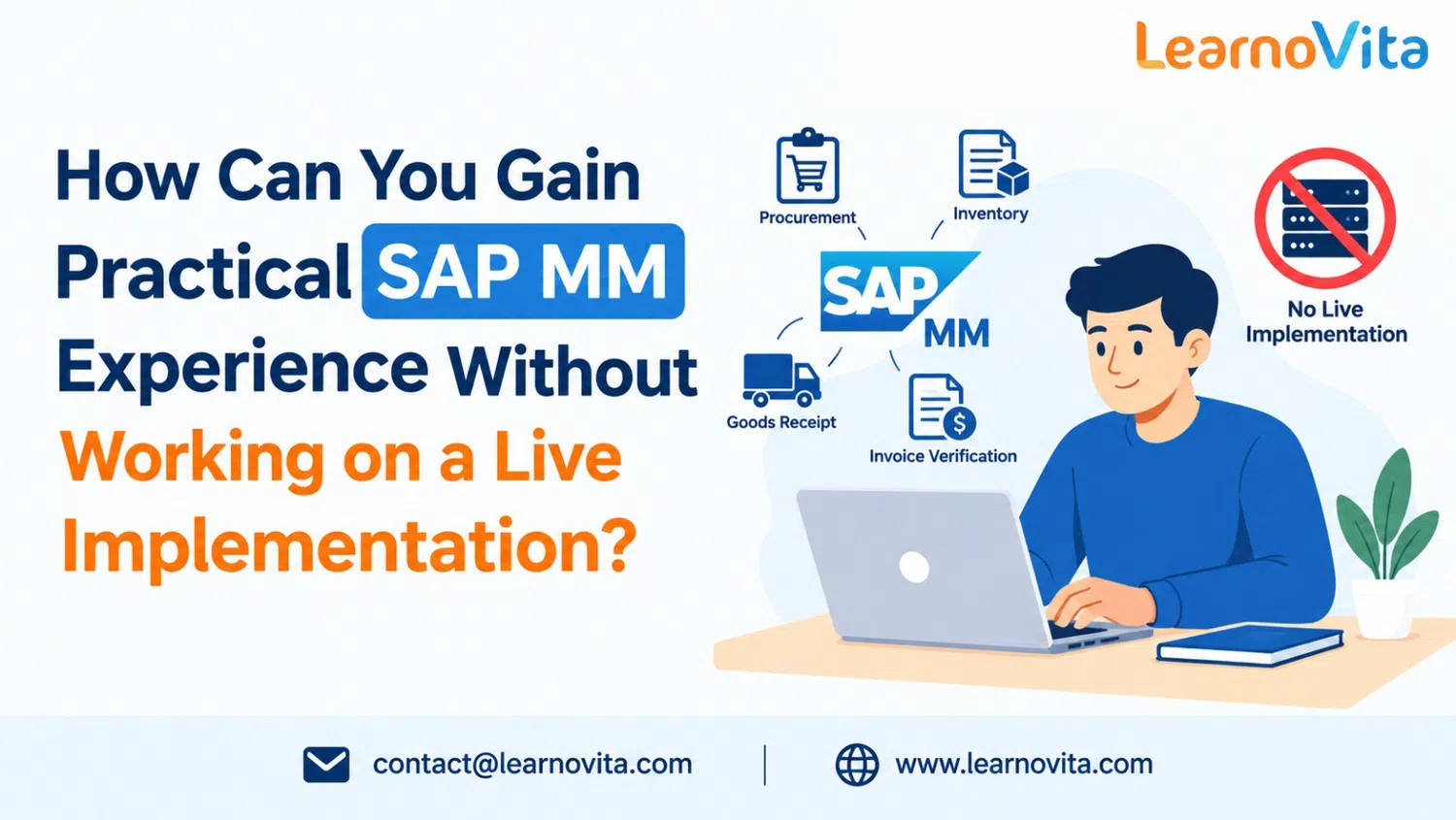
Creating practical business situations is a useful way to explore SAP MM processes. Learners can simulate activities such as identifying material requirements, selecting suppliers, creating purchase requisitions, processing purchase orders, recording goods receipts, verifying invoices, and managing inventory. Working through these activities in sequence can provide a clearer understanding of how procurement processes move through different stages.
Develop Essential Skills
Create and maintain sample material master data.
Practice supplier and purchasing information management.
Prepare purchase requisitions for different requirements.
Generate and process sample purchase orders.
Perform simulated goods receipt activities.
Practice invoice verification scenarios.
Explore inventory movement procedures.
Review complete procurement workflows.
Build a Simulated Project
A mock SAP MM project can provide an organized environment for applying theoretical knowledge. Choose a fictional company and define its materials, suppliers, plants, storage locations, and purchasing requirements. Then develop a project covering requirement analysis, process planning, testing, documentation, and workflow execution. Completing these activities can provide an understanding of how functional tasks are handled during an SAP MM implementation. SAP MM Training in Bangalore helps learners build practical skills in procurement, purchasing, inventory management, material planning, and SAP MM processes for career opportunities.
Understand Module Connections
SAP MM processes are connected with several other areas of an organization. Learners can explore how purchasing and inventory activities interact with SAP FI, production, sales, and related business functions. For example, a simulated goods receipt can be used to understand changes in stock levels and related accounting activities. Studying these connections helps develop an end-to-end understanding of business processes within SAP. SAP MM Training in Hyderabad helps learners develop practical skills in procurement, purchasing, inventory management, material planning, and SAP MM processes for career opportunities.
Improve Project Preparedness
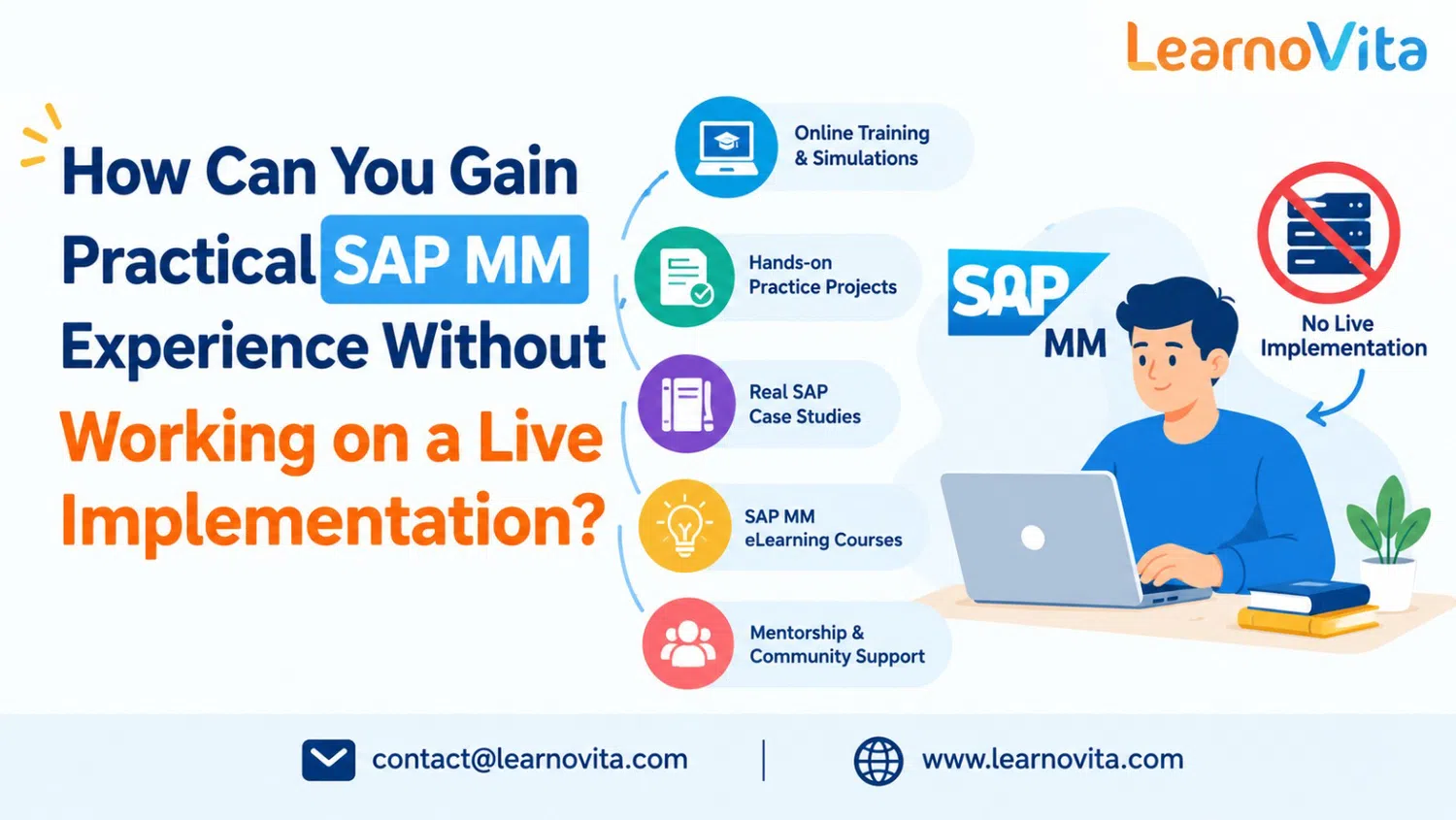
Develop test cases for purchasing and inventory scenarios.
Maintain documentation for each practice exercise.
Create simple process-flow diagrams.
Analyze sample procurement requirements.
Practice identifying common transaction issues.
Prepare basic functional and process documents.
Review testing activities used during implementations.
Create a Practical Portfolio
A collection of well-documented SAP MM projects can demonstrate practical learning even without live implementation experience. Include mock projects, procurement scenarios, test cases, workflow diagrams, process documents, and integration exercises. Explain the business requirement, steps performed, solution approach, and expected result for each project. This portfolio can provide a structured representation of your ability to apply SAP MM concepts to practical situations. SAP MM Online Training helps learners gain practical skills in procurement, purchasing, inventory management, material planning, and SAP MM processes from anywhere.
Conclusion
Developing SAP MM expertise without a live project is possible through consistent hands-on practice and realistic project simulations. Procurement exercises, mock implementations, integration activities, testing scenarios, and documented projects can help strengthen functional understanding and problem-solving skills. While simulated work cannot completely replace direct live-project exposure, it can provide useful preparation for taking on professional SAP MM responsibilities.