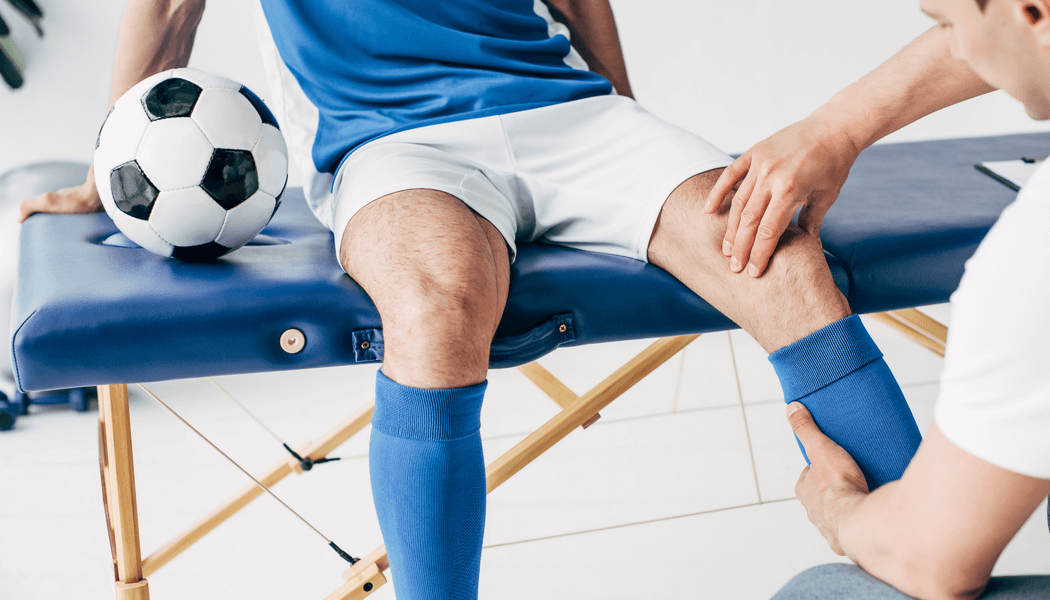
Sports physiotherapists work to improve health and performance associated with physical problems caused by injuries, overtraining, or overexhaustion. The latter two are caused by highly tiring or demanding training and competition conditions. They work in injury prevention, acute care, rehabilitation, and performance. This article will look into how sports physiotherapists deal with such problems.
Injury Prevention
Assessment and Screening: Sports physical therapists carry out a detailed assessment, which translates into preventing injuries suffered by athletes. They have been observed conducting an appraisal of the physical state of an athlete, which incorporates body biomechanics, flexibility, and strength, among other variables. In addition, functional movement screening is a common technique used to identify imbalances or abnormal movement patterns.
Training Programs: Sports physiotherapists conceptualize injury-prevention training programs for athletes that are meant to toughen them while minimizing their chances of injury. The physical training models are customized for sport, position, and individual physical characteristics. Critical parameters of emphasis within the physical training model include strength, flexibility, endurance, and stability. Strength benefits body mechanics, flexibility benefits the range of joint motion, endurance allows execution at a high level without fatigue, and stability benefits balance and coordination.
Acute Injury Management
Immediate Care: R.I.C.E. is a treatment for acute injuries involving rest, limiting physical activity, applying ice or cold packs, and elevating the affected area above the heart level. This minimizes the damage and pain and supplies recovery. It prevents worsening and turns on the natural body healing. Painkillers bought over the counter are also used, and extensive injuries have to be medically examined. All these require proper measures given in time and are essential, as received timely, to recover from complications.
Diagnosis and Treatment Planning: Acute injuries should always be taken into significant consideration, and a clear plan of how the injury will be treated should be taken into action. This involved the taking of a physical examination, health history, medical history, and diagnostic imaging. Treatment program development was done depending on the extent of the injury, the amount of physical activity one is involved in, and the patient's general health. It is also advisable to do only a little of the activity towards recovery so one can gradually return to one's daily activities.
Rehabilitation
Customized Rehabilitation ProgramsPrimary rehabilitation is when the person has to be restored physically and functionally to the pre-existent state after damage posed by injury, treatment, or illness. The approach involves psychical, occupational, and speech therapies, as well as psychiatric counselling. Physical therapy is associated with strengthening and increased flexibility, while occupational therapy is focused on the development of independence and productivity. Psychological support is based on emotional upsets and lifestyle changes the patient is undergoing.
Functional Training: Restoring the ability to perform daily activities is a crucial part of rehabilitation. The exercises involved are mirror images of everyday movements. In this process, a person can regain strength, flexibility, balance, coordination, and endurance. Some techniques involve body-weight exercises, strength training, balance exercises, and those requiring coordination and agility. Functional training is optimized by remaining independent and mobile and recovering quality of life after injuries, operations, or illnesses. At the same time, it ensures the prevention of injuries in the future, coupled with improving physical performance and mechanics of movement.
Performance Improvement
Biomechanical Analysis: Biomechanical analysis allows for the critical analysis of human movement patterns and mechanics to improve an athlete's output. This ability to assess and evaluate biomechanical factors can be made using methodologies like movement capture technology, force platforms, electromyography, or 3D imaging, all of which can identify inefficiencies, asymmetries, or limitations in movement to help create training regimens. It improves the players' sports-specific movement skills and helps develop treatment programs in an individualistic way in the rehabilitation setting. Biomechanical analysis improves performance in many areas.
Return to Sport
Gradual Return Protocols: Return-to-sport rehabilitation is a long-based process of deceptively simple exercises that progress in intensity and complexity as a person's strength, mobility, and confidence improve. Therein lies an active challenge by medical and coaching surveillance to ensure this process is embarked upon at the right time, that setbacks are dealt with, and that adherence is promoted. The progressive return program optimally reduces the likelihood of re-injury, with the management of long-term success in returning to pre-injury levels.
Performance Monitoring: It must consist of monitoring physical and technical abilities combined with psychological preparation. The objective measurements include strength, flexibility, agility, and cardiovascular fitness, while the subjective include pain, confidence, and general function. Continuous physical examination and functional tests will aid in detecting deficiencies and exposing areas that need to be adjusted. Evaluations must also be carried out to measure skills performance in the specific sport. Psychological evaluation tests mental preparation and confidence.
In conclusion, sports physiotherapists help manage athletes' physical predicaments. Their involvement extends from prevention and immediate care to rehabilitation, performance enhancement, and safe return to sports. With the aid of specialized knowledge, personal care planning, and an integrated approach, maximal potential with minimal risk of injury can be realized.