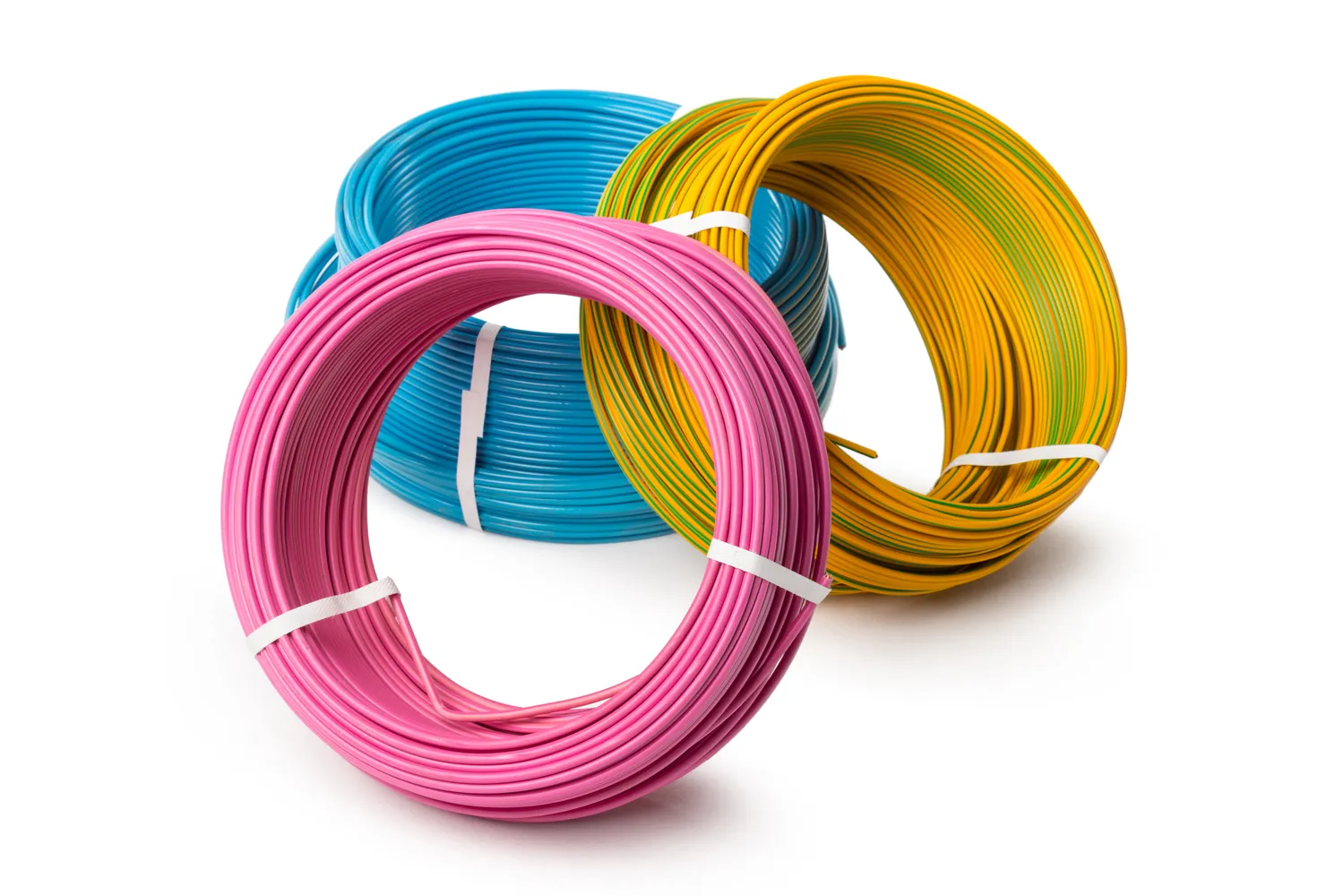
In today’s industrial and commercial environments, equipment durability isn’t just a preference—it’s a necessity. From manufacturing plants to construction sites across the United Kingdom, machinery is constantly exposed to stress, movement, and harsh conditions. One often overlooked component that plays a critical role in extending equipment life is flexible rubber cables.
This blog explores how rubber flexible cables contribute to improved equipment longevity, reduce downtime, and deliver long-term cost efficiency—making them a smart investment for businesses that rely on reliable electrical systems.
What Are Rubber Flexible Cables?
Rubber flexible cables are specially designed electrical cables insulated and sheathed with rubber compounds. Unlike rigid cables, they are built to withstand bending, twisting, and mechanical stress without cracking or degrading.
These cables are widely used in:
- Construction equipment
- Industrial machinery
- Outdoor installations
- Temporary power supplies
Their flexibility and resilience make them ideal for demanding environments where standard cables might fail prematurely.
Key Ways Rubber Flexible Cables Extend Equipment Life
1. Superior Flexibility Reduces Wear and Tear
One of the biggest advantages of rubber flexible cables is their ability to bend and move without damage. In dynamic applications—such as machinery with moving parts—rigid cables can develop internal fractures over time.
Rubber insulation absorbs movement stress, preventing the following:
- Conductor breakage
- Insulation cracks
- Connection failures
This significantly reduces the risk of unexpected equipment breakdowns.
2. High Resistance to Harsh Environmental Conditions
Industrial environments in the UK often involve exposure to:
- Moisture and rain
- Extreme temperatures
- Oils and chemicals
Rubber flexible cables are engineered to resist these elements. According to industry standards, high-quality rubber cables can operate efficiently in temperatures ranging from -25°C to +60°C, making them suitable for both indoor and outdoor use.
This durability ensures that equipment continues to function optimally without cable-related interruptions.
3. Enhanced Mechanical Strength
Heavy-duty operations often involve abrasion, impact, and pressure. Rubber flexible cables are designed with tough outer sheaths that protect against:
- Cuts and abrasions
- Crushing forces
- Vibrations
A study in industrial maintenance practices shows that cable damage accounts for nearly 20–30% of electrical failures in machinery. Using robust rubber cables can drastically reduce this risk.
4. Improved Safety and Reduced Downtime
Faulty cables are a major cause of equipment failure and workplace hazards. Rubber flexible cables offer the following:
- Better insulation properties
- Resistance to electrical leakage
- Reduced risk of short circuits
By maintaining consistent electrical performance, these cables help minimize downtime and costly repairs—keeping operations running smoothly.
5. Longevity Means Lower Total Cost of Ownership
While rubber flexible cables may have a slightly higher upfront cost compared to standard alternatives, they offer significant long-term savings.
Benefits include:
- Fewer replacements
- Lower maintenance costs
- Reduced operational disruptions
For businesses focused on efficiency, this translates into a better return on investment (ROI) over time.
Real-World Applications in the UK
Across industries in the United Kingdom, rubber flexible cables are widely adopted in:
- Construction sites, where equipment is constantly moved
- Manufacturing plants, requiring reliable power connections
- Events and temporary setups, needing quick and safe installations
Their reliability in these demanding scenarios highlights their role in extending equipment lifespan and maintaining operational continuity.
How to Choose the Right Rubber Flexible Cable
To maximize equipment longevity, it’s essential to select the right cable for your application. Consider:
- Load capacity and voltage requirements
- Environmental exposure (water, chemicals, UV)
- Flexibility needs (static vs dynamic use)
- Compliance with UK safety standards
Investing in high-quality cables from trusted suppliers ensures optimal performance and durability.
Final Thoughts
Rubber flexible cables are more than just connectors—they are a critical component in protecting and prolonging the life of your equipment. Their flexibility, durability, and resistance to harsh conditions make them indispensable in modern industrial settings.
By choosing the right cable solutions, businesses can reduce downtime, enhance safety, and achieve long-term cost savings.
Looking to upgrade your cable solutions? Partner with trusted manufacturers like Raiden Industries to ensure durability, performance, and reliability in every connection.