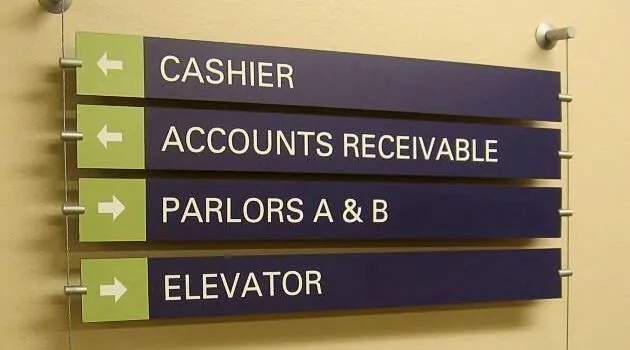
Navigating an unfamiliar space can be frustrating without clear visual guidance. Whether it is a corporate office, healthcare facility, retail center, or educational campus, people rely on signage to move confidently from one area to another. Custom wayfinding signs play a crucial role in shaping how visitors experience a space, helping them feel oriented, comfortable, and welcomed from the moment they arrive.
Wayfinding is not just about arrows and directions. It is a strategic system that combines design, placement, and messaging to guide people efficiently while reinforcing a brand’s identity. When done correctly, wayfinding signage reduces confusion, saves time, and improves overall satisfaction.
What Are Wayfinding Signs
Wayfinding signs are visual tools that help people understand where they are and how to get where they need to go. These signs can include directories, directional arrows, room identification, maps, and informational displays. Together, they create a cohesive navigation system that supports movement through a space.
Custom wayfinding signs are designed specifically for a location rather than relying on generic templates. This customization ensures that signage aligns with the layout, branding, and user needs of the environment. It also allows for flexibility in addressing unique challenges such as multiple entrances, complex floor plans, or shared facilities.
Why Customization Matters
Every space is different, and wayfinding signage must reflect that. Custom wayfinding signs consider the flow of foot traffic, decision points, and visibility from various angles. This tailored approach helps prevent bottlenecks and reduces the need for staff to give directions repeatedly.
Customization also allows signage to match the visual identity of a brand. Colors, fonts, and materials can be selected to complement interior design while maintaining clarity. This consistency strengthens brand recognition and creates a more polished, professional environment.
Improving Visitor Confidence and Comfort
Clear navigation has a direct impact on how people feel within a space. When visitors can find their destination easily, they experience less stress and frustration. This is especially important in environments such as hospitals, offices, and large commercial buildings where visitors may already feel uncertain.
Custom wayfinding signs provide reassurance at key decision points. Simple, well-placed directions help people move independently, creating a sense of control and comfort. This positive experience reflects well on the organization and encourages repeat visits.
Supporting Accessibility and Inclusivity
Wayfinding signage also plays an important role in accessibility. Clear text, strong contrast, logical placement, and consistent symbols help ensure that signage is usable by people of all abilities. Inclusive design makes spaces more welcoming and easier to navigate for everyone.
Accessible wayfinding reduces barriers and demonstrates a commitment to thoughtful design. When signage is easy to understand, it supports independence and ensures that no one feels excluded due to unclear navigation.
Types of Wayfinding Signs Used Indoors and Outdoors
Wayfinding systems often include a combination of sign types. Exterior signs help visitors locate entrances and parking areas before they enter a building. Interior signs guide movement through hallways, stairwells, elevators, and individual rooms.
Directories provide an overview of available spaces, while directional signs guide people step by step. Room identification signs confirm that visitors have reached the correct destination. Together, these elements create a seamless navigation experience from start to finish.
Design and Material Considerations
Effective wayfinding design balances visibility with aesthetics. Signs should be easy to read at a glance without overwhelming the space. Font size, spacing, and color contrast are critical factors in ensuring legibility.
Material selection also matters. Acrylic, metal, wood, and vinyl each offer different visual effects and durability levels. The right materials help signage blend into the environment while remaining visible and functional. Professional designers understand how to select materials that suit both the space and the intended use.
Professional Planning and Installation
Wayfinding signage works best when planned as a system rather than as individual signs. Professional providers assess traffic flow, sightlines, and user behavior to determine optimal placement. This strategic planning ensures that signage appears exactly where people need guidance.
Installation is equally important. Signs must be securely mounted, level, and positioned at appropriate heights for visibility. Partnering with an experienced provider like Pure Image Signs & Graphics ensures that the entire process, from planning to installation, is handled with precision.
Long Term Benefits of Wayfinding Systems
Investing in custom wayfinding signs delivers long-term value. Clear navigation reduces operational strain by minimizing the need for staff assistance. It also improves efficiency by helping visitors reach destinations quickly.
Well-designed wayfinding systems are adaptable. As spaces grow or change, signage can be updated or expanded while maintaining consistency. This flexibility makes wayfinding signage a practical solution for organizations planning for future growth.
Creating Spaces That Feel Intuitive
The best wayfinding systems feel almost invisible because they work so well. Visitors move through a space without hesitation, guided subtly by clear visual cues. This intuitive experience reflects thoughtful planning and attention to detail.
Custom wayfinding signs transform complex environments into spaces that feel organized, accessible, and welcoming. By prioritizing clarity and design, businesses and organizations can create environments that support positive experiences from start to finish.
Frequently Asked Questions
What are custom wayfinding signs used for
They guide visitors through spaces by providing clear directions, maps, and location identification.
Why is wayfinding important for businesses
It improves navigation, reduces confusion, and enhances the overall visitor experience.
Can wayfinding signs match a brand’s design
Yes. Colors, fonts, materials, and layouts can be customized to align with branding.
Are wayfinding signs suitable for small spaces
Absolutely. Even small offices and retail spaces benefit from clear navigation signage.
Can wayfinding signage be updated over time
Yes. Systems can be modified or expanded as spaces change or grow.