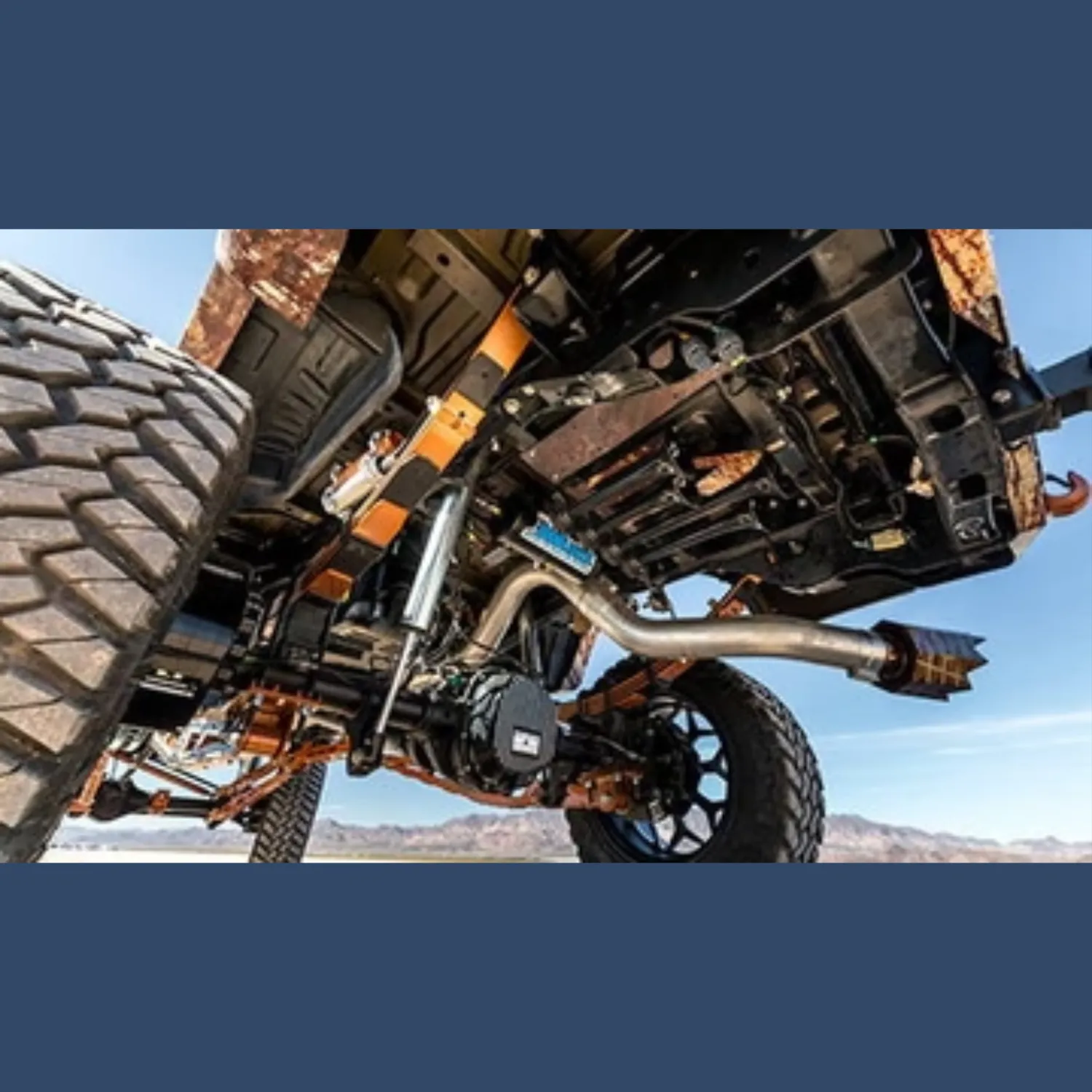
Load carrying is a daily need for many drivers. Trucks haul tools. SUVs carry families and gear. Even small cars face heavy trips. When weight increases, suspension feels stress. The ride becomes low, rough, and unstable. This is where support systems step in and quietly change everything.
Modern suspension assistance is not just about strength. It is about control. It is about balance. It is about making a vehicle feel steady even when fully loaded. In this guide, we explore how Load Support Kits improve weight handling, safety, and overall driving comfort in real-world conditions.
We will break down how they work, why they matter, and how they improve performance in simple terms. Think of it like giving your vehicle a stronger spine that helps it stand tall under pressure.
Understanding Suspension Assistance and Load Balance
What Load Support Kits Really Do
At the most basic level, Load Support Kits help your vehicle carry heavy weight without sagging. When you load a truck bed or tow a trailer, the rear end often drops. This affects steering, braking, and stability.
These kits act like helpers inside your suspension system. They add extra support so the vehicle stays level. A level ride means better control and smoother movement on roads, highways, and rough paths.
The idea is simple. The more balanced the load, the safer and easier the drive becomes.
Why Vehicles Struggle With Heavy Loads
Every vehicle has a limit. When you go beyond it, the suspension compresses too much. Springs weaken under stress. Shocks lose efficiency. The result is uneven weight distribution.
This is not just uncomfortable. It can be risky. Poor balance reduces tire grip and increases stopping distance. Over time, it also wears down suspension parts faster than normal.
Load Support Kits reduce this strain. They share the load so no single part of the suspension is overworked.
How Load Support Systems Work in Real Driving
The Science Behind Suspension Support
Suspension systems are built to absorb shock. But they are not designed to carry unlimited weight. When extra load is added, the system needs reinforcement.
Load Support Kits step in by adding adjustable resistance or air pressure support. This helps the suspension return to its normal height. It is like adding an extra set of strong hands under a heavy table.
The goal is not to make the ride stiff. It is to keep it stable and controlled even under pressure.
Balancing Pressure and Ride Comfort
A good support system finds balance between strength and softness. Too much stiffness makes the ride uncomfortable. Too little support makes it unsafe.
Modern systems are designed to adapt. When weight increases, support increases. When weight decreases, it relaxes again. This flexibility keeps driving smooth and natural.
It is similar to walking with a backpack. When straps adjust well, the weight feels lighter. When they do not, every step feels harder.
Weight Handling and Stability Improvements
Towing and Heavy Hauling Control
Towing is one of the toughest tasks for any vehicle. A trailer pulls the rear downward and shifts weight balance. This can cause sway or poor steering response.
With Load Support Kits, the rear suspension stays firm. This improves towing stability and reduces side-to-side movement. Drivers feel more confident, especially on highways or uneven roads.
A stable rear end also helps the front wheels maintain better control. This improves steering accuracy and braking response.
Keeping the Vehicle Level Under Pressure
A level vehicle is a safe vehicle. When one side drops, weight distribution becomes uneven. This affects tire wear and road grip.
Support systems keep the body straight. They reduce sagging and help distribute weight evenly across all wheels. This leads to smoother handling and better road contact.
Over time, this also protects the chassis and suspension parts from long-term damage.
Performance Benefits in Daily Driving
Better Ride Comfort on All Roads
Comfort is often the first thing drivers notice. Heavy loads usually make rides bumpy and harsh. Every small bump feels stronger than normal.
Load Support Kits soften this effect by stabilizing the suspension movement. They reduce sudden dips and rebounds. The ride feels more controlled and less shaky.
Even on rough roads, the vehicle feels more predictable and easier to handle.
Improved Safety and Control
Safety is closely linked to balance. When a vehicle is uneven, braking becomes unpredictable. Cornering becomes risky. Sudden turns feel unstable.
With proper support, braking stays consistent. The vehicle responds better to steering input. This makes emergency control easier and safer.
It is like upgrading from a loose rope bridge to a strong steel walkway. The path becomes more secure and dependable.
Different Types of Load Support Systems
Air-Based Suspension Support
Air-based systems use controlled air pressure to support weight. When load increases, air pressure rises. This lifts the vehicle back to normal height.
These systems are flexible and adjustable. Drivers can change support levels based on load size. This makes them ideal for mixed-use vehicles.
They are often compared to inflatable cushions that adjust to body pressure, but for vehicles.
Spring-Based Reinforcement Systems
Spring-based systems use stronger or additional springs to handle extra weight. They provide constant support without adjustment needs.
These are simple and durable. They work well for vehicles that carry consistent heavy loads.
They are like adding a stronger backbone to the suspension system.
Hybrid Support Designs
Hybrid systems combine air and spring technology. This creates a balance of strength and flexibility.
They adjust to changing road conditions and different load levels. This makes them suitable for drivers who switch between light and heavy use often.
Installation and Integration in Vehicles
How Support Kits Fit Into Suspension Systems
Installing support systems is about integration, not replacement. They work alongside existing suspension parts.
Technicians usually place them between key suspension points. This allows them to share the load without changing the entire system.
The goal is smooth support, not structural redesign.
Why Proper Setup Matters
Correct installation is very important. If support is uneven, the vehicle may tilt or feel unstable.
When installed properly, Load Support Kits blend into the system. They respond naturally to weight changes and road conditions.
This ensures long-term reliability and safe performance under all driving situations.
Real-World Applications Across Vehicles
Trucks and Work Vehicles
Trucks often carry heavy tools, cargo, and equipment. This constant load creates suspension stress.
Support systems help trucks stay level and stable during long workdays. They also improve fuel efficiency by reducing drag from poor alignment.
SUVs and Family Travel Use
SUVs carry passengers, luggage, and sometimes roof cargo. During long trips, weight changes often.
Support systems help maintain comfort and stability even when fully packed. This makes family travel smoother and safer.
Boats, Trailers, and Utility Loads
Towing boats or trailers adds uneven pressure. The rear suspension takes most of the strain.
With Load Support Kits, towing becomes controlled and predictable. This is especially helpful during turns, braking, and highway driving.
Maintenance and Long-Term Performance
Keeping the System in Good Condition
Like any vehicle part, support systems need basic care. Regular inspection helps ensure everything stays tight and responsive.
Air-based systems may need pressure checks. Spring systems may need alignment checks over time.
This simple care keeps performance steady and reliable.
Long-Term Value for Vehicle Health
Support systems do more than improve driving. They protect the vehicle itself. By reducing stress on suspension parts, they extend lifespan.
This means fewer repairs, less wear, and better long-term performance. It is an investment in both safety and durability.
Over time, Load Support Kits help vehicles stay strong even under heavy use.
The Role of Engineering in Modern Load Support
Built for Strength and Precision
Modern suspension support systems are designed with precision engineering. They are built to handle pressure while maintaining comfort.
Inspired by heavy-duty vehicle technology, they focus on strength without sacrificing smooth driving experience.
This balance is what makes them reliable for everyday use.
Inspired by Heavy-Duty Performance Systems
Many advanced support systems take inspiration from industrial and heavy-duty vehicle designs. These systems are made for extreme conditions.
That same thinking is applied to everyday vehicles. The result is better durability, improved handling, and more confidence on the road.
Final Thoughts on Suspension Support and Driving Confidence
Driving with heavy loads should not feel risky or unstable. It should feel controlled and predictable. That is the main purpose of modern suspension assistance systems.
Load Support Kits give vehicles the strength to handle pressure without losing comfort. They keep rides smooth, safe, and balanced even under stress.
They act like silent helpers under the vehicle. You do not see them working, but you feel their impact every time the road changes.