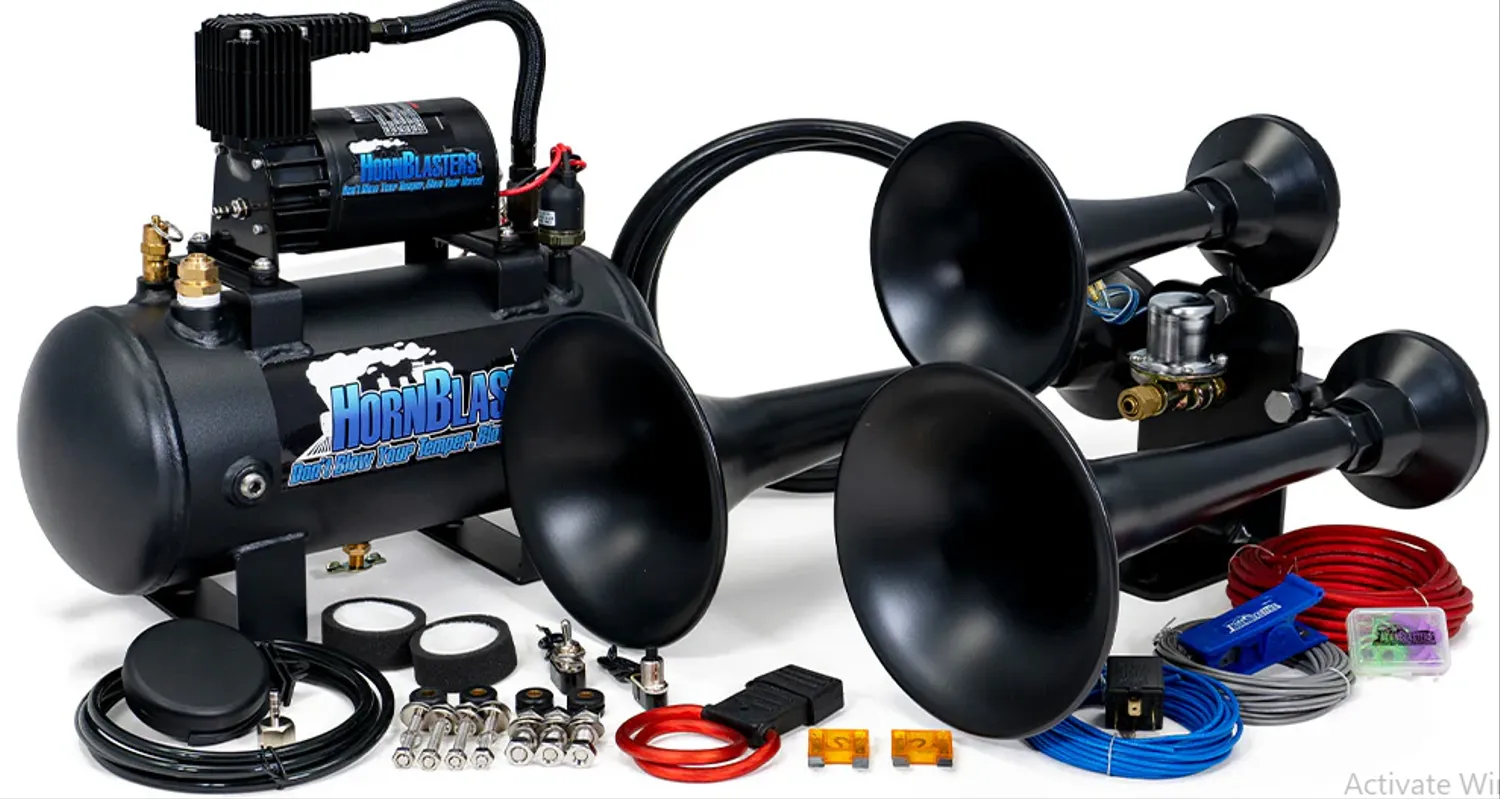
When you need your voice to cut through noise, distance, and chaos, the right sound system matters. A weak device can make your message fade like a whisper in a storm. A strong one can command attention in seconds.
That is why many buyers compare Megaphones vs. Public Address Units before making a decision. Both tools amplify sound, but they serve very different needs. One offers portability and fast communication, while the other delivers broader coverage and stronger long-term performance.
Think of a megaphone as a fast motorcycle. It moves quickly and handles urgent tasks well. A public address unit feels more like a heavy-duty truck. It carries bigger workloads and performs better for large-scale communication.
Businesses, emergency responders, vehicle owners, event planners, and industrial operators often struggle to choose between these systems. They want loud, clear sound without wasting money on the wrong equipment. Understanding the differences helps you invest wisely.
Brands known for powerful sound systems have raised expectations in this market. Buyers now demand durability, strong projection, and reliable performance for vehicles, outdoor events, and demanding environments. Loud is not enough anymore. Clear and dependable sound matters just as much.
Understanding What a Megaphone Really Does
A megaphone is a portable voice amplifier designed for short-term communication. It allows users to speak through a microphone while projecting their voice farther than normal speech. Most units are lightweight and easy to carry.
You often see megaphones at schools, protests, sports events, construction sites, and emergency situations. They are ideal when someone needs instant communication without installing complex equipment.
Modern megaphones often include sirens, rechargeable batteries, voice recording, and USB connectivity. These added features improve convenience for users who need quick solutions.
The biggest strength of a megaphone is mobility. You can grab it, turn it on, and start speaking immediately. That speed makes it valuable during emergencies.
How Public Address Units Work
Public address units are more advanced sound systems built for wider coverage. They often include microphones, amplifiers, speakers, wiring systems, and control panels.
These systems are commonly used in stadiums, warehouses, factories, transportation hubs, and large outdoor venues. They are built to cover larger spaces with consistent sound.
Unlike megaphones, public address systems can handle multiple microphones and audio sources. They can also play music, announcements, alerts, and pre-recorded messages.
A PA unit works like a full communication network. It ensures that everyone hears the same message clearly across larger areas.
Sound Range Comparison
Range is often the first factor buyers consider when comparing Megaphones vs. Public Address Units. Sound needs to travel clearly without distortion.
A standard megaphone may cover 200 to 1,200 feet depending on wattage, battery life, and weather conditions. Smaller units have limited projection.
Public address systems usually provide much greater range because they rely on fixed speaker placement. Large PA systems can cover buildings, parking lots, stadiums, and industrial sites.
If your audience moves around often, a megaphone may work better. If your communication zone stays fixed, PA systems usually win.
Sound Clarity in Noisy Environments
Being loud does not always mean being effective. A roaring engine, busy crowd, or construction noise can bury weak audio fast.
Megaphones can struggle in extremely loud environments. Wind interference and battery weakness may reduce clarity.
Public address units often deliver cleaner sound because they use larger speakers and stronger amplifiers. Many systems also include noise control features.
Imagine trying to shout across a busy highway. That is how weak audio feels in loud settings. Clear projection changes everything.
Weather and Outdoor Performance
Outdoor use creates unique challenges. Rain, wind, dust, and heat can damage poor-quality equipment.
Basic megaphones may fail during harsh weather conditions. Moisture can impact electronics and battery performance.
Commercial-grade public address systems are often built with weather-resistant materials. This makes them more reliable for long-term outdoor use.
Vehicle-mounted sound systems also perform well outdoors because they are designed for rugged environments.
Indoor Communication Efficiency
Indoor spaces create echo issues. Sound can bounce off walls and create confusion.
Megaphones may create sharp echoes in enclosed areas. This can make announcements hard to understand.
PA systems usually offer better control indoors. Speaker placement allows smoother sound distribution.
Schools, hospitals, airports, and offices often prefer PA systems for this reason.
Portability and Convenience
Megaphones are easy to carry. They are lightweight and require little setup.
Security teams, coaches, and emergency staff often prefer megaphones because speed matters. You can store one in a vehicle or office.
Public address systems require installation. That process takes time and planning.
If convenience is your top priority, megaphones often win this category.
Installation Requirements
Megaphones require almost no installation. Add batteries and begin using them.
PA systems require speaker mounting, wiring, amplifiers, and testing. Larger systems may need professional installation.
This can increase costs but improves long-term reliability.
For temporary events, megaphones are easier. For permanent setups, PA systems make more sense.
Power Source Differences
Most megaphones rely on batteries. Rechargeable options are becoming more common.
Battery life affects performance. Long events may require backup batteries.
Public address systems often connect to electrical systems or vehicle power sources. This creates more consistent operation.
Reliable power helps prevent sudden failures during important announcements.
Maintenance Needs
Megaphones need basic maintenance. Keep batteries charged and store them safely.
Public address systems need more regular inspections. Wiring, speakers, and amplifiers must stay in good condition.
However, durable commercial-grade systems often last longer.
Strong engineering reduces maintenance problems over time.
Cost Comparison
Budget matters when comparing Megaphones vs. Public Address Units. Price often influences buying decisions.
Megaphones are usually cheaper upfront. They are great for schools, small teams, and occasional use.
Public address systems cost more because they involve multiple components.
While PA systems require larger investments, they often deliver stronger long-term value.
Best Uses for Megaphones
Megaphones shine in temporary communication situations. Event marshals use them during races and festivals.
Teachers use them during drills and sports days. Security teams rely on them during crowd control.
Emergency responders also use megaphones during evacuations.
Their flexibility makes them highly practical.
Best Uses for Public Address Units
Public address units excel in permanent communication systems. Factories use them for safety alerts.
Transportation hubs depend on them for public announcements. Large venues use them for crowd management.
Vehicle sound systems also benefit from powerful public communication tools.
They are built for bigger responsibilities.
Vehicle-Based Sound Communication
Truck owners and commercial vehicle operators often need powerful external communication systems.
Heavy-duty sound systems built for vehicles combine durability with high output. They perform well in demanding environments.
These systems are often inspired by industries that value loud, rugged engineering.
Reliability matters when communication happens on the move.
Which System Lasts Longer?
Lifespan depends on build quality and usage patterns.
Cheap megaphones may break quickly after repeated drops or weather exposure.
High-quality PA systems often last years when maintained properly.
Durable construction makes a huge difference in performance.
Safety and Emergency Applications
Emergency communication requires speed and clarity.
Megaphones help first responders deliver fast instructions during urgent situations.
Public address systems provide organized communication for large evacuations.
Both tools can save lives when used correctly.
Choosing Based on Audience Size
Small groups usually do not need massive sound systems.
A megaphone works well for smaller gatherings or mobile communication.
Large crowds need stronger infrastructure.
That is where public address systems dominate.
Technology Advancements
Modern sound systems continue evolving.
Bluetooth integration, wireless microphones, and remote controls improve convenience.
Smart monitoring systems help users track performance issues.
The future of Megaphones vs. Public Address Units looks more advanced than ever.
Final Verdict: Which One Should You Choose?
Choosing between Megaphones vs. Public Address Units depends on your real-world needs. There is no universal winner.
If you need speed, portability, and lower costs, a megaphone is a smart choice. It works like a reliable flashlight during a power outage—simple and effective.