When it comes to customizing vehicles, one popular upgrade that often gets attention is the installation of electric horns. They’re louder, more durable, and often more stylish than the factory-installed versions. Whether you're a daily commuter or an off-road enthusiast, electric horns can enhance your vehicle's presence on the road. But before you rush to install them, there’s one critical question to answer: are electric horns legal in your state?
Laws around vehicle modifications can be tricky. They vary not only from country to country but also from state to state in the U.S. In this quick guide, we’ll break down the general legality of electric horns, highlight some state-specific regulations, and provide helpful tips to stay compliant while upgrading your sound system.
What Are Electric Horns?
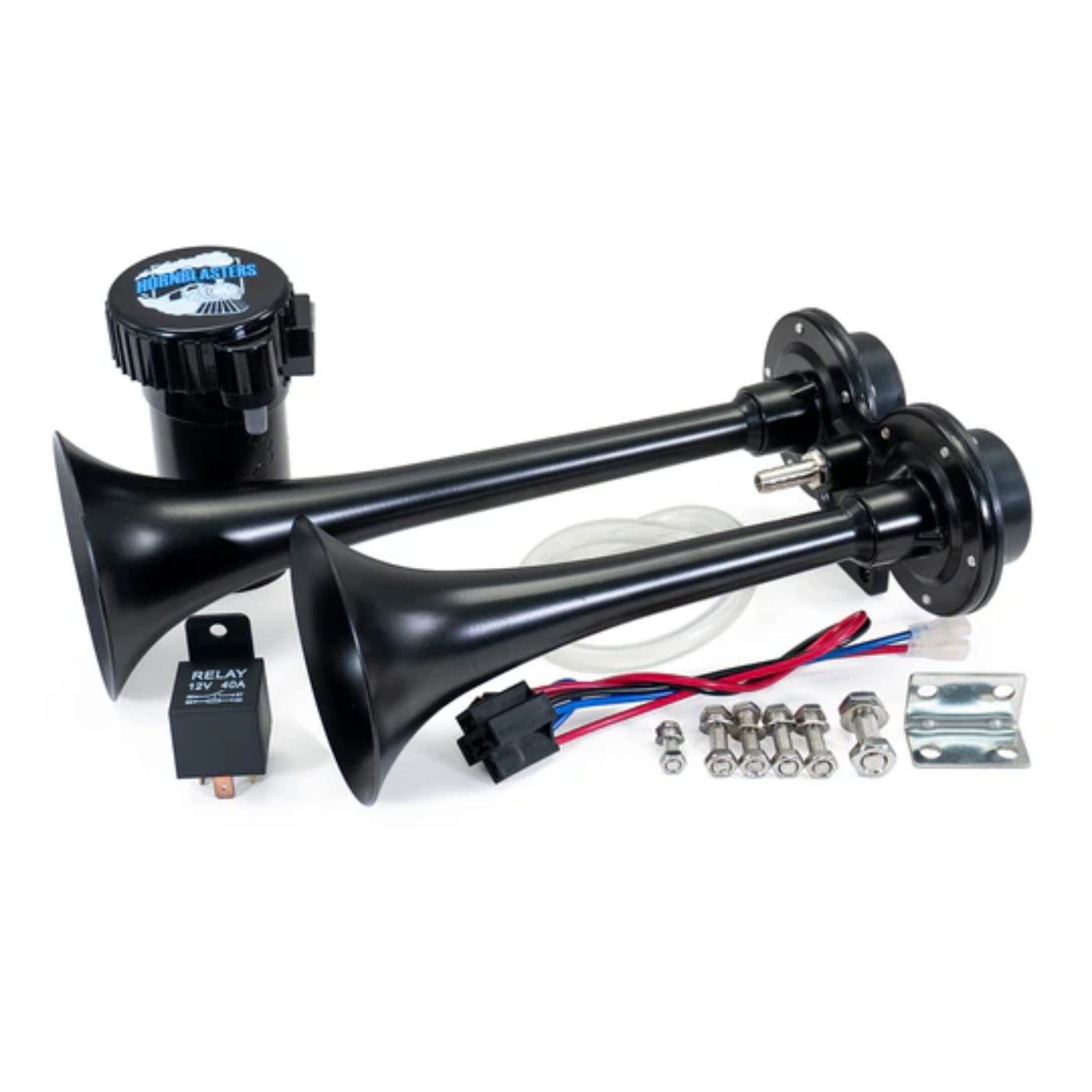
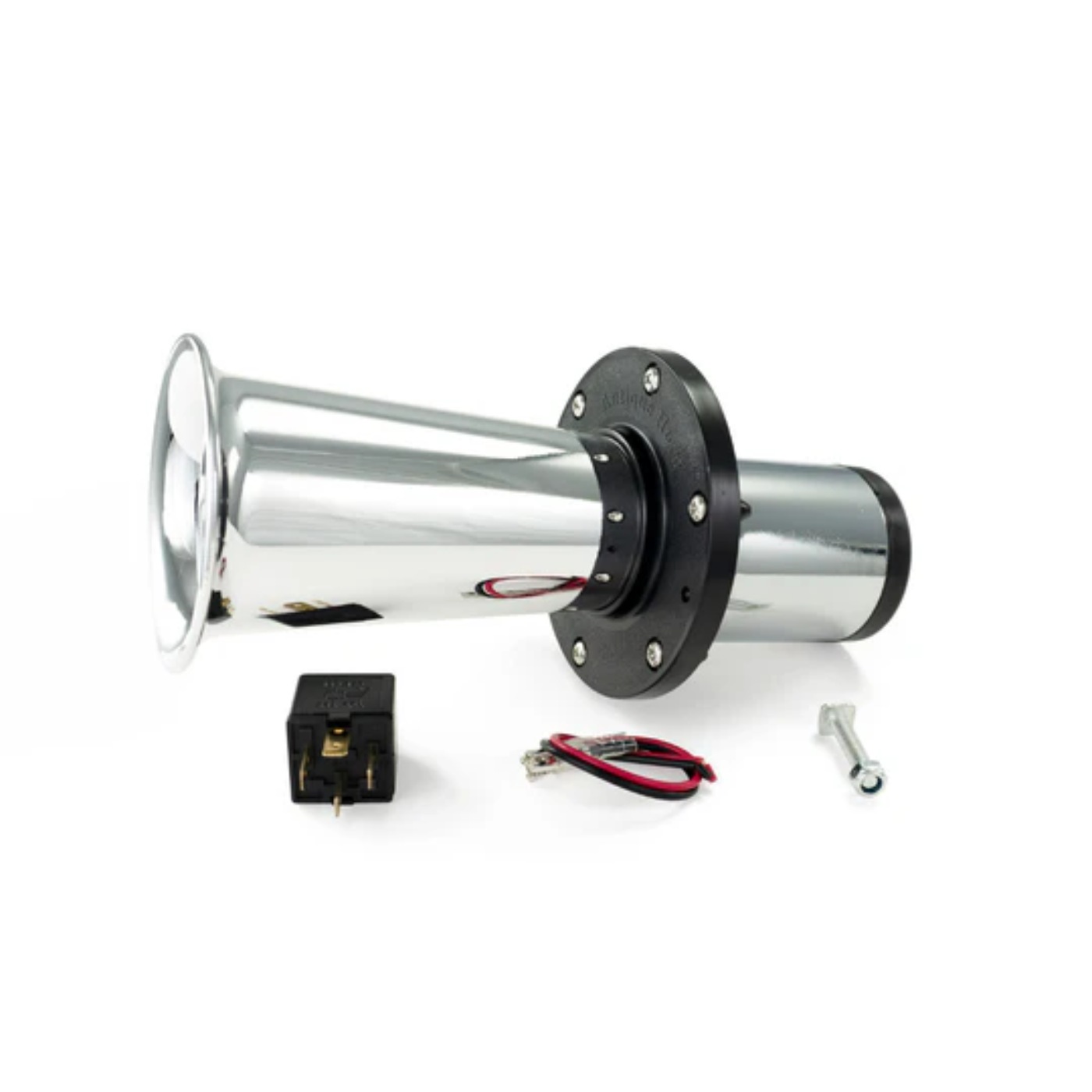
Before diving into the legal landscape, let’s clarify what electric horns are. Unlike air horns, which use compressed air to produce a sound, electric horns operate through an electric current that activates a diaphragm, creating a loud and sharp tone. These horns are typically found in modern cars, motorcycles, and trucks, and they're favored for their reliability and ease of installation.
There are many types of electric horns, from compact OEM-style replacements to high-decibel aftermarket models designed for off-road vehicles. Some models even mimic the sounds of trains, animals, or novelty tones. While these may sound fun, not all of them are legal on public roads.
Federal Regulations on Vehicle Horns
In the U.S., the Federal Motor Vehicle Safety Standards (FMVSS) require that all vehicles be equipped with a horn that is “capable of emitting sound audible under normal conditions from a distance of not less than 200 feet.” However, the federal law doesn’t specify the type of horn—just that it needs to be functional and reasonably audible.
This means electric horns are federally legal as long as they meet this basic requirement. But here’s the kicker: states can set stricter regulations. And many of them do.
State-by-State Legal Overview
Let’s take a quick look at how different states handle electric horns. While a full breakdown of all 50 states would be exhaustive, here are some examples that show the diversity of regulations:
California
California Vehicle Code § 27000 mandates that every motor vehicle must have a working horn capable of emitting sound from a distance of 200 feet. However, it strictly prohibits the use of any horn other than a standard warning device. Novelty horns or overly loud horns may result in fines. Electric horns are legal if they comply with these standards.
Texas
Texas law allows for electric horns as long as they are not “unreasonably loud or harsh.” What qualifies as “unreasonable” is somewhat subjective, but in practice, if your horn sounds like a train or siren, you’re likely to get pulled over.
Florida
Florida Statutes § 316.271 states that every vehicle must be equipped with a horn in good working condition, audible from at least 200 feet. Using a horn for anything other than a reasonable warning is prohibited. As such, electric horns are fine—just don’t use them to express road rage.
New York
New York Vehicle and Traffic Law § 375 allows electric horns but bars any horn that mimics emergency vehicles or is excessively loud. If you install a custom horn that sounds like a fire truck or police siren, expect trouble.
Illinois
Illinois follows a similar line. Electric horns are permitted, but anything that can be confused with an emergency vehicle is off-limits. The state also limits noise levels in some municipalities, so local city ordinances may impose stricter rules.
Other States
Most other states follow the same general framework: horns must be functional, used only as a warning, and not mimic sirens or emergency tones. Some states set specific decibel limits (usually around 110 dB), while others use vague language like “unreasonable” or “excessive.”
What Types of Electric Horns Are Typically Legal?
Generally, these types of electric horns are allowed on public roads:
- OEM-style replacements: These match the original horn in volume and tone.
- Moderate aftermarket horns: Louder than stock, but not excessively so.
- Dual-tone horns: Often found in luxury cars, they produce a fuller sound.
Horn systems designed for off-road use, novelty purposes, or that produce siren-like sounds may be illegal for on-road driving.
What Can Get You Pulled Over?
Here are a few horn-related issues that might attract unwanted attention from law enforcement:
- Too loud: If your horn exceeds local noise ordinances or startles other drivers, you could face a citation.
- Improper tone: Horns that mimic emergency sirens, animal calls, or musical tunes are often banned.
- Unnecessary use: Honking in non-emergency situations, like venting frustration in traffic, can be considered illegal.
- Aftermarket installation issues: Improper wiring or overuse of an air compressor can make your system unsafe or non-compliant.
How to Check What’s Legal in Your State
To stay on the right side of the law with your electric horns, follow these tips:
- Check your state’s DMV website: Most Departments of Motor Vehicles have vehicle equipment sections that cover horn regulations.
- Review local city ordinances: Some cities have stricter noise laws than the state.
- Ask an inspection station: Mechanics and vehicle inspectors can often tell you what’s allowed.
- Avoid ambiguity: If you're unsure whether your horn is legal, it’s probably safer to go with a more standard version.
Tips for Staying Street Legal
Here are a few practical suggestions if you're thinking about upgrading to electric horns:
- Choose reputable brands: Manufacturers that sell street-legal horns often label them as compliant with FMVSS or DOT regulations.
- Stay within reasonable decibel levels: Anything over 110 dB is pushing it. Between 90 and 110 dB is usually safe.
- Don’t tamper with factory wiring improperly: Poor installation can cause shorts or failures in other electrical systems.
- Test before you drive: Honk your horn in a parking lot or garage and see how loud it is. If it makes your ears ring, it might be too much.
Conclusion: Know Before You Honk
Electric horns offer a great way to enhance your vehicle’s presence, ensure safety, and even add a personal touch. But with every modification comes responsibility. The laws vary widely from state to state, and even city to city, so it’s essential to know what’s legal where you live.
If your electric horns are reasonably loud, don’t mimic emergency vehicles, and are used properly, you’re likely in the clear. Just remember that the road is a shared space. Use your horn as a tool for safety—not as a toy or megaphone.