The process of home construction is governed by a range of regulations and requirements that are put in place to ensure the safety, functionality, and environmental sustainability of residential structures. Navigating these implications is essential for homeowners, builders, and contractors alike in order to avoid penalties or legal complications.
Understanding zoning restrictions is crucial as it determines where and how homes can be built within a specific area. Compliance with building codes is fundamental to ensure that construction meets minimum standards for structural integrity and safety. Moreover, addressing environmental considerations such as energy efficiency and waste management is increasingly important in today's climate-conscious society.
This introduction aims to provide a comprehensive overview of the various home building regulations that individuals need to navigate throughout the construction process. By exploring case studies and providing detailed insights into relevant guidelines, this article seeks to equip readers with the knowledge needed to successfully navigate the complexities of home building regulations while prioritizing safety concerns.
Understanding Zoning Restrictions
The analysis of zoning restrictions allows for a comprehensive understanding of the regulatory framework that governs home building and its implications on urban development. Zoning regulations are essential tools used by local governments to manage land use and control the growth and development of communities.
These regulations establish specific guidelines regarding the types of activities that can be conducted in different areas, such as residential, commercial, industrial, or mixed-use zones. Development restrictions within zoning ordinances define parameters related to building size, height, setbacks from property lines, parking requirements, and other factors that ensure safety and compatibility with surrounding structures.
By adhering to these regulations, homeowners can ensure compliance with established standards while safeguarding their investment. Understanding zoning restrictions is crucial for homeowners and developers alike as it helps navigate the complex landscape of home building regulations and ensures responsible urban development.
Complying with Building Codes
Complying with building codes necessitates a thorough understanding of the requirements and standards set forth by regulatory agencies. Building permits are an essential component in ensuring that construction projects meet safety regulations. These permits serve as official approval for the proposed plans, indicating that they comply with the applicable building codes.
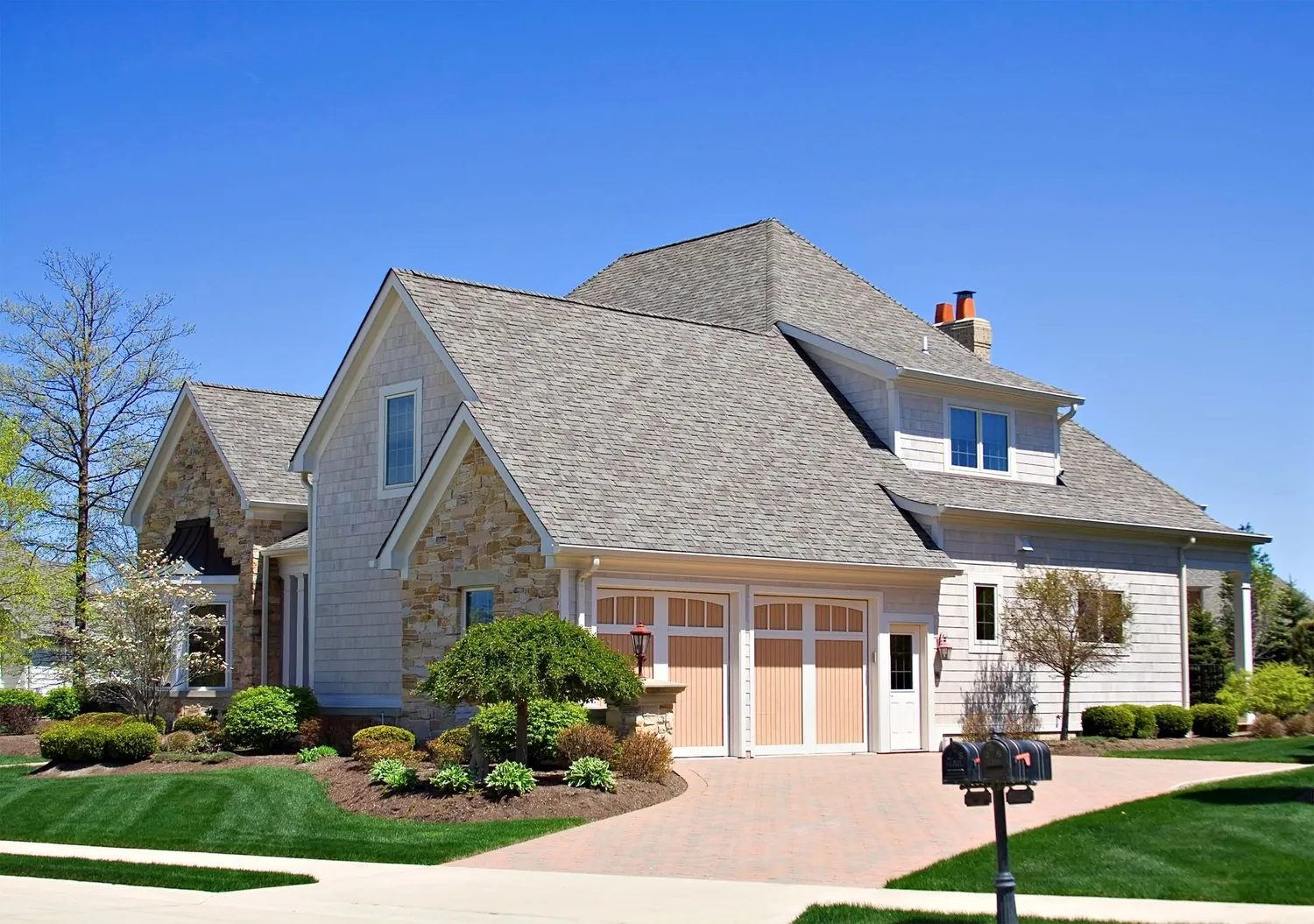
Construction inspections are another crucial aspect of complying with building codes. Inspectors assess various stages of construction to verify compliance with safety standards and ensure that work is being done according to approved plans. They inspect structural elements, electrical systems, plumbing installations, and other critical components to ensure they meet code requirements.
By obtaining proper permits and undergoing necessary inspections, builders can demonstrate their commitment to meeting safety regulations and protecting occupants' well-being in residential structures.
Addressing Environmental Considerations
Addressing environmental considerations involves understanding and implementing measures to mitigate the impact of construction projects on natural resources and ecosystems.
One way to address these considerations is by using sustainable materials in home building. Sustainable materials are those that are sourced from renewable or recycled sources, minimizing the depletion of natural resources. Examples include bamboo, reclaimed wood, and recycled metal.
Another important aspect is ensuring energy efficiency in home construction. This can be achieved through the use of energy-efficient appliances, proper insulation, and the installation of solar panels or other renewable energy systems. Energy-efficient homes reduce carbon emissions and lower energy consumption, leading to reduced environmental impact.
By incorporating sustainable materials and energy-efficient practices into home building regulations, we can make significant strides towards creating a more sustainable future for both homeowners and the environment.
Ensuring Safety Standards
Ensuring safety standards requires a meticulous approach that prioritizes the well-being of individuals involved in the construction process.
Fire prevention is a crucial aspect of home building regulations as it protects both occupants and neighboring properties from devastating fires. Compliance with fire safety codes, such as proper installation of smoke detectors, fire sprinkler systems, and fire-resistant materials, is essential to minimize the risk of fire-related incidents.
Building inspections play a vital role in ensuring that these safety measures are implemented correctly. Regular inspections by qualified professionals ensure that construction practices adhere to established standards and identify any potential hazards or deficiencies.
Through thorough evaluations and assessments, inspectors can verify compliance with safety regulations, thereby enhancing the overall security and well-being of residents.
By focusing on fire prevention measures and conducting comprehensive building inspections, home builders can create safer living environments for homeowners while mitigating risks associated with fires.
Tips for Navigating the Construction Industry
Navigating the complex landscape of the construction industry requires a keen understanding of industry trends, market demand, and effective project management techniques.
When it comes to ensuring safety in home building projects, it is essential to comply with construction permits and hire reputable contractors.
Construction permits are legal requirements that authorize specific activities during the building process and help ensure compliance with safety regulations. Obtaining these permits involves submitting detailed plans and specifications for approval by local authorities.
Hiring contractors who prioritize safety is also crucial. It is advisable to thoroughly research potential contractors, checking their credentials, experience, and track record of adhering to safety standards. Additionally, requesting references from previous clients can provide insights into their performance and commitment to safety.
By following these tips, homeowners can navigate the construction industry while prioritizing safety in their home building projects.
Conclusion
In conclusion, it is crucial to navigate the implications of home building regulations with utmost caution and diligence.
Zoning restrictions must be thoroughly understood and complied with, while building codes should not be taken lightly.
Additionally, addressing environmental considerations is vital for sustainable construction practices.
Safety standards cannot be compromised under any circumstances.
By following these guidelines and staying informed about the ever-changing landscape of the construction industry, individuals can successfully navigate the complexities and challenges that come with building a home.
Failure to do so may lead to serious legal consequences or even jeopardize the well-being of those involved.