Imagine walking into a commercial space that immediately captures your attention and leaves a lasting impression. It could be a trendy café with cozy seating arrangements and warm lighting, or a modern office with an open layout and sleek decor. Regardless of the type of commercial space, creating an impressive interior requires thoughtful planning and execution.
Take for example the newly renovated headquarters of a tech company in Silicon Valley. The space features collaborative workstations, breakout areas, and a modern reception area with a living wall. The design was intentionally crafted to reflect the company's innovative culture, attract top talent, and enhance productivity.
Creating an impressive commercial interior is not just about aesthetics, but also about functionality and brand identity. It is about understanding the unique needs of the business and its customers, and translating those needs into a physical space that is both inviting and efficient.
This article will explore the key elements that go into creating an impressive commercial interior, including defining brand identity and goals, maximizing space and layout efficiency, using lighting to enhance the atmosphere, selecting the right color scheme and decor, and incorporating technology for improved functionality. By understanding these elements and their importance, businesses can create a commercial space that not only looks great but also fulfills its intended purpose and leaves a lasting impression on customers and employees alike.
Key Takeaways
- Defining brand identity and goals is essential for an effective interior design strategy
- Maximizing space and layout efficiency enhances employee satisfaction and productivity
- Lighting design significantly impacts the atmosphere of the commercial space, with color temperature being crucial
- Incorporating technology enhances functionality and improves the overall experience for visitors, with smart automation and digital integration being great ways to make the space more efficient and user-friendly.
Defining Your Brand Identity and Goals
The process of creating impressive commercial interiors involves a crucial step of defining the brand identity and goals in an objective and impersonal manner to establish a coherent and effective interior design strategy.
Brand messaging and target audience considerations are integral to this process as they help to identify the key elements that will be incorporated into the design.
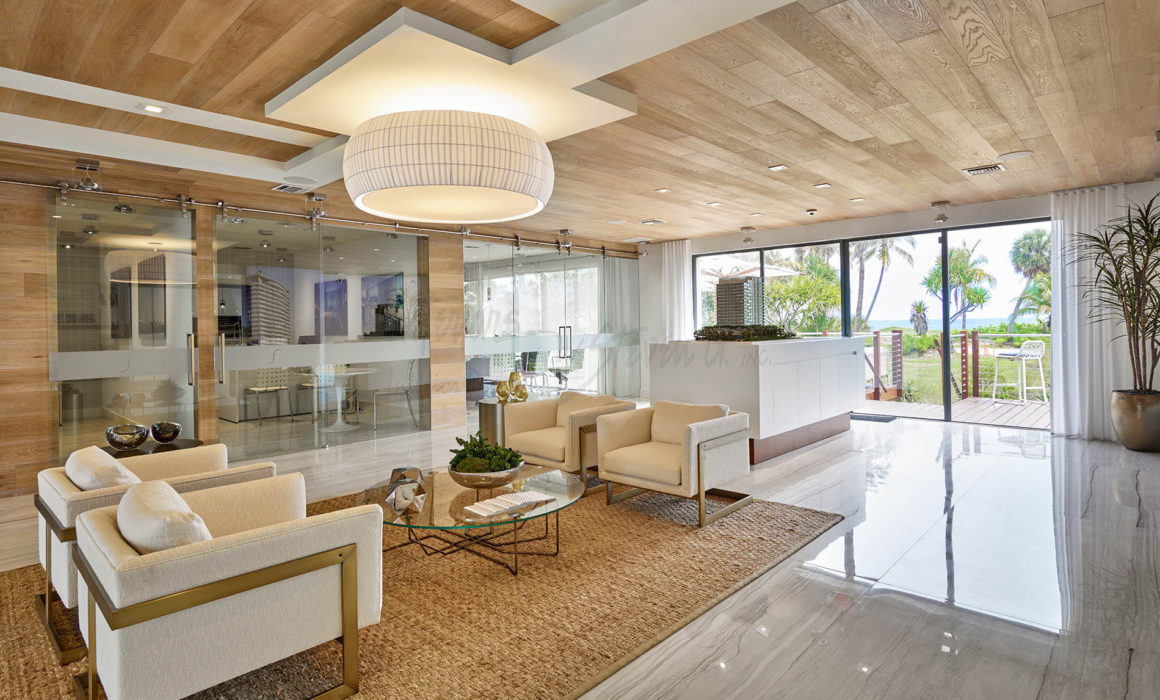
Understanding the brand identity and goals of a business allows designers to create interiors that accurately represent the company and its values, while also appealing to the target audience.
This means that the design elements must be chosen carefully to ensure that they align with the brand's messaging and resonate with the intended audience.
In this way, the interior design works as an extension of the brand, creating a cohesive and immersive experience for customers that reinforces the company's message and mission.
Maximizing Space and Layout Efficiency
Maximizing space and layout efficiency is a key factor in achieving an optimal utilization of the available resources and enhancing the productivity of the workplace. A well-designed commercial interior not only looks good, but it also plays a significant role in enhancing employee satisfaction and productivity.
Flexible furniture and multi-functional design are two essential elements that can help to achieve an efficient and practical layout. Flexible furniture, such as modular desks, chairs, and storage units, can be easily reconfigured to suit different needs, while multi-functional design integrates different functions into a single piece of furniture or space.
By combining these two aspects, commercial spaces can be optimized for maximum efficiency and productivity, while still looking stylish and inviting to potential clients and employees. It is essential to consider space planning and design early on in the process to ensure that the selected furniture and layout are tailored to the specific needs of the business.
Using Lighting to Enhance the Atmosphere
Optimizing the lighting design can significantly impact the atmosphere of a commercial space, influencing the mood and behavior of occupants.
Careful consideration of lighting placement and color temperature can create a welcoming and visually interesting environment that enhances the overall experience for customers and employees.
The placement of lighting fixtures should be strategic, taking into account the purpose of the space, the activities that will occur, and the natural light sources available.
Color temperature, measured in Kelvin, can also play a crucial role in creating the desired atmosphere.
Warm light, with a lower Kelvin measurement, can create a cozy and inviting atmosphere, while cooler light, with a higher Kelvin measurement, can create a more energetic and modern feel.
By utilizing lighting in a thoughtful and intentional way, commercial interiors can create a unique and memorable experience for all who enter.
Selecting the Right Color Scheme and Decor
Selecting the appropriate color scheme and decor for a commercial space can evoke a specific mood and enhance the overall ambiance of the environment.
Color psychology plays a crucial role in determining the right color scheme, as different colors can evoke different emotions in people.
For example, blues and greens are calming and create a sense of tranquility, while reds and yellows are energizing and evoke a sense of excitement.
It is important to consider the purpose of the space and the audience it is intended for when selecting the color scheme.
In addition to color, furniture trends also play a significant role in creating an impressive commercial interior.
The right furniture can complement the color scheme and enhance the overall aesthetic appeal of the space.
It is important to choose furniture that is both functional and aesthetically pleasing, while also considering the durability and longevity of the pieces.
By carefully selecting the appropriate color scheme and decor, commercial spaces can create a welcoming and inviting atmosphere that visitors will remember and want to return to.
Incorporating Technology for Improved Functionality
Incorporating technology into a commercial space can enhance its functionality and improve the overall experience for visitors. Smart automation and digital integration are great ways to make a space more efficient, intuitive, and user-friendly.
By using smart technology, businesses can improve their operations and make it easier for employees to perform their tasks. For instance, a smart lighting system can adjust the brightness and color temperature based on the time of day, creating a more comfortable and productive environment for workers.
Digital integration can also help businesses connect with their customers and provide a more personalized experience. For example, a store could use digital signage to display targeted advertisements and promotions based on a customer's past purchases or browsing history.
Overall, incorporating technology into commercial interiors can help businesses stay competitive and provide a more enjoyable experience for their customers and employees.
Conclusion
Creating impressive commercial interiors is no small feat. It requires a careful balance of brand identity, space efficiency, lighting, color scheme, decor, and technology. Each of these elements plays a crucial role in creating an atmosphere that is both aesthetically pleasing and functional.
By defining your brand identity and goals, you can ensure that your commercial interior is aligned with your company's image and vision. Maximizing space and layout efficiency will help you make the most of your available space while maintaining an open and inviting atmosphere. Using lighting to enhance the atmosphere will create a welcoming environment that encourages customers to stay and explore.
Selecting the right color scheme and decor will help you create a cohesive look that is both visually pleasing and on-brand. Incorporating technology, such as smart lighting and automated systems, will improve functionality and streamline operations.
By focusing on these key elements, you can create a commercial interior that is both impressive and effective.
In conclusion, creating an impressive commercial interior is no easy feat. It requires a careful balance of various elements, each playing a crucial role in creating a space that is both visually stunning and functional. By prioritizing brand identity, space efficiency, lighting, color scheme, decor, and technology, you can create an atmosphere that is sure to impress customers and enhance your business's success.
So don't settle for a lackluster commercial interior – invest in the right elements and create a space that truly stands out.