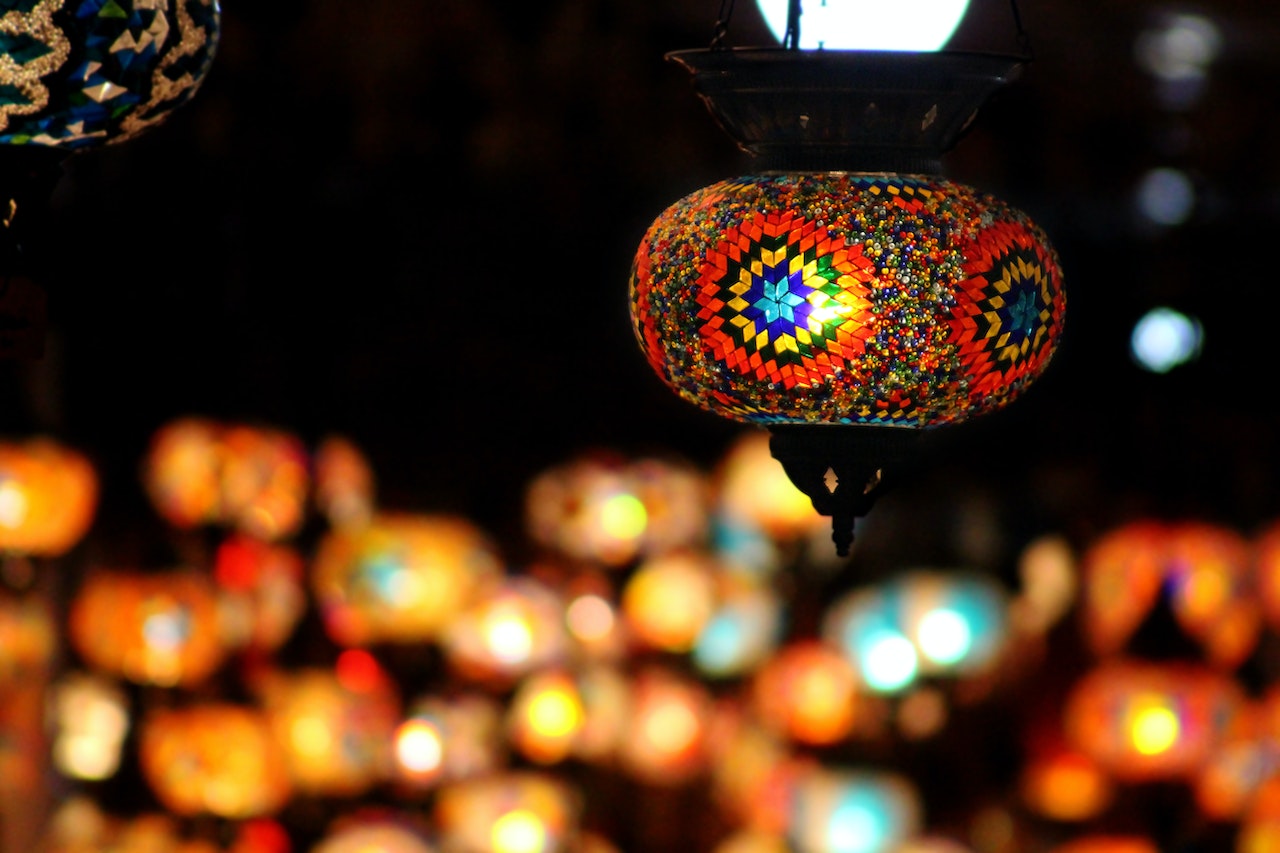
Ceiling Lights are not just practical fixtures; they're essential elements of interior design that can significantly influence the atmosphere and aesthetics of a room. Whether you're embarking on a home renovation or simply want to upgrade your lighting, understanding the world of ceiling lights is crucial. In this comprehensive guide, we'll explore the various types of ceiling lights, their applications, and how to select the perfect ones to enhance your space.
Types of Ceiling Lights
Ceiling lights come in a diverse range of styles, each serving a unique purpose and contributing to the overall look and feel of a room. Here are some popular types:
Flush Mount Lights: These fixtures sit flush against the ceiling, making them ideal for spaces with lower ceilings or for those who prefer a clean, unobtrusive look. Flush mount lights provide even, ambient illumination and are commonly found in bedrooms, hallways, and closets.
Semi-Flush Mount Lights: These lights offer a subtle suspension from the ceiling, providing a balance between functionality and aesthetics. They work well in spaces where you want to add a touch of elegance, such as dining rooms or foyers.
Chandeliers: Chandeliers are synonymous with sophistication and luxury. They often feature multiple arms and decorative elements, making them perfect for creating a focal point in dining rooms, entryways, or formal living rooms.
Pendant Lights: Pendant lights hang down from the ceiling by a cord, chain, or rod. They come in a variety of styles and can be used individually or in clusters. Pendant lights are popular choices for kitchens, dining areas, and over kitchen islands.
Recessed Lighting: Also known as can lights or downlights, recessed lights are installed into the ceiling, providing a clean and unobtrusive lighting solution. They are commonly used for general and task lighting in various rooms.
Selecting the Right Ceiling Lights
Choosing the perfect ceiling lights for your space involves considering both functionality and aesthetics:
Room Functionality: Determine the primary function of the room. For instance, in a kitchen, you'll need bright and focused lighting for cooking, while in a bedroom, a softer, more relaxed ambiance may be preferable.
Ceiling Height: Take into account the height of your ceiling. Low ceilings may benefit from flush mount or semi-flush mount lights, while high ceilings can accommodate chandeliers or pendant lights with longer suspensions.
Style and Aesthetics: Match the style of the ceiling light to the overall decor of the room. Modern, sleek fixtures work well in contemporary spaces, while ornate chandeliers may suit more traditional settings.
Bulb Type: Choose the right type of bulbs to achieve the desired lighting effect. LED bulbs are energy-efficient and have a long lifespan, while incandescent bulbs emit warm, cozy light.
Dimmer Compatibility: If possible, select ceiling lights that are compatible with dimmer switches. This allows you to adjust the brightness according to the occasion and mood.
Maintenance and Care
To keep your ceiling lights looking their best and functioning efficiently, regular maintenance is essential:
Dust and Clean: Dust can accumulate on the surface of the fixture, affecting both its appearance and the quality of light. Use a soft, dry cloth or a duster to gently remove dust and debris. For glass or crystal fixtures, a mixture of water and vinegar can help restore their shine.
Replace Bulbs: When bulbs burn out or dim significantly, replace them promptly to maintain optimal lighting conditions.