Home design is the process of planning and arranging the layout, furniture, colors, lighting, and decor to create a functional, comfortable, and aesthetically pleasing environment. Whether you're renovating an existing space or designing a new one from scratch, thoughtful home design plays a vital role in making a house feel like a home. It combines creativity with practicality to reflect the personality of its inhabitants while ensuring that the space serves their daily needs.
The Importance of Home Design
A well-designed home has the power to enhance the quality of life for its residents. It impacts everything from comfort and functionality to mood and productivity. Thoughtful home design can improve flow and organization, creating spaces that are both practical and inviting. The right design not only elevates the look of a room but also fosters a sense of tranquility, warmth, and well-being, turning an ordinary space into a sanctuary.
Key Elements of Home Design
- Layout and Floor Plan: The layout is one of the most important aspects of home design. It dictates the flow of a space, influencing how rooms are connected and how people move throughout the house. Whether you’re opting for an open-concept layout that connects the living, dining, and kitchen areas or a more traditional, compartmentalized plan, the layout should prioritize both functionality and comfort. Ensuring good circulation and flow between rooms can make a space feel more expansive and livable.
- Color Scheme: Color plays a significant role in setting the mood of a room. Each color evokes specific emotions, and choosing the right palette can make a big difference in how a space feels. Soft, neutral tones like whites, grays, and beiges tend to create a calming, serene atmosphere, while bolder hues like deep blues, reds, and greens can add vibrancy and energy. Accent colors, used sparingly through accessories or feature walls, can bring warmth or contrast to the overall design.
- Furniture and Layout: Furniture is not only functional but also a key design element. When selecting furniture, it’s important to consider both comfort and style. The scale and proportion of the pieces should suit the size of the space. For example, oversized sofas may overwhelm a small living room, while sleek, minimalist pieces may not provide enough comfort in a larger, more open space. Furniture layout should optimize the space and promote ease of movement, as well as create zones for different activities (e.g., dining, relaxing, working).
- Lighting: Lighting is essential in home design, as it affects both the aesthetics and functionality of a space. A well-lit room feels warm and inviting, while poor lighting can make a space feel dreary and unwelcoming. It’s important to layer lighting to create a balanced effect. Ambient lighting (overhead lights) provides general illumination, task lighting (desk lamps, reading lights) helps with specific tasks, and accent lighting (spotlights, decorative lights) highlights artwork or architectural features. Natural light, when possible, should also be maximized through large windows, skylights, or glass doors.
- Textures and Materials: Mixing different textures and materials can add depth and interest to a space. A combination of smooth, polished surfaces like marble countertops and rough, organic textures like wooden beams or stone walls creates contrast and visual intrigue. Fabrics, such as plush cushions, velvet curtains, or woven rugs, can introduce warmth and comfort into a room. Balancing these textures ensures that the design feels cohesive and multi-dimensional.
- Storage and Functionality: Good home design ensures that a space is not only beautiful but also functional. Storage solutions are critical in maintaining an organized home, especially in smaller spaces. Built-in shelves, cabinets, and clever furniture with hidden storage can help keep clutter at bay. Open shelving can be stylish, but it requires regular tidying. Thoughtful storage solutions that cater to daily life will make a space feel more efficient and livable.
Popular Home Design Styles
- Modern: Modern home design is all about simplicity, clean lines, and functionality. It embraces minimalist principles, with an emphasis on open spaces and natural light. Modern designs often feature neutral color palettes with pops of color and incorporate materials like glass, steel, and concrete. The furniture is sleek, and the overall aesthetic is uncluttered and contemporary.
- Traditional: Traditional home design incorporates timeless elements, with a focus on elegance, symmetry, and comfort. Rich wood tones, classic patterns (like florals or stripes), and formal furniture pieces characterize this style. Traditional design tends to emphasize balance and formality, creating a cozy and welcoming environment with vintage or antique accents.
- Scandinavian: Inspired by the Nordic countries, Scandinavian design emphasizes simplicity, functionality, and clean lines. Light wood tones, white walls, and soft, neutral colors dominate Scandinavian interiors. The design incorporates natural elements like plants, wool throws, and sheepskin rugs to create warmth and comfort. This style embraces minimalist furniture, making spaces feel open and airy.
- Industrial: Industrial home design draws inspiration from old factories and warehouses, showcasing raw, unfinished materials like exposed brick, concrete, and steel. The aesthetic often features large windows, open spaces, and functional furnishings with a utilitarian edge. Industrial design can be both edgy and warm, using vintage or reclaimed items alongside contemporary pieces.
- Farmhouse: The farmhouse style is all about rustic charm combined with modern comfort. Natural wood, shiplap walls, and vintage-inspired furniture create a cozy, lived-in atmosphere. Farmhouse interiors feature neutral tones, with pops of color through textiles or accessories, and often include elements like barn doors, antique furniture, and farm-style décor.
- Bohemian: Bohemian or Boho design is all about creativity, eclecticism, and individuality. This style embraces vibrant colors, mixed patterns, and a blend of cultural influences. Layered textiles, vintage furniture, and globally inspired décor pieces create a relaxed, free-spirited atmosphere. Plants, bold artwork, and handmade elements add personality and uniqueness to a space.
Sustainable Home Design
As environmental concerns grow, sustainable home design has gained importance. Sustainable design focuses on creating homes that are energy-efficient, environmentally friendly, and made with sustainable materials. It incorporates eco-conscious features like solar panels, energy-efficient windows, water-saving fixtures, and sustainable building materials such as bamboo, recycled wood, or low-VOC paints. Beyond energy efficiency, sustainable design also involves reducing waste, reusing materials, and creating healthy indoor environments through improved air quality and natural light.
Trends in Home Design for 2025
Several trends are shaping the future of home design, including:
- Multi-Functional Spaces: As more people work from home, designing rooms that can serve multiple purposes—such as a home office that doubles as a guest room—is becoming increasingly important. Flexible, adaptable spaces are a must in modern homes.
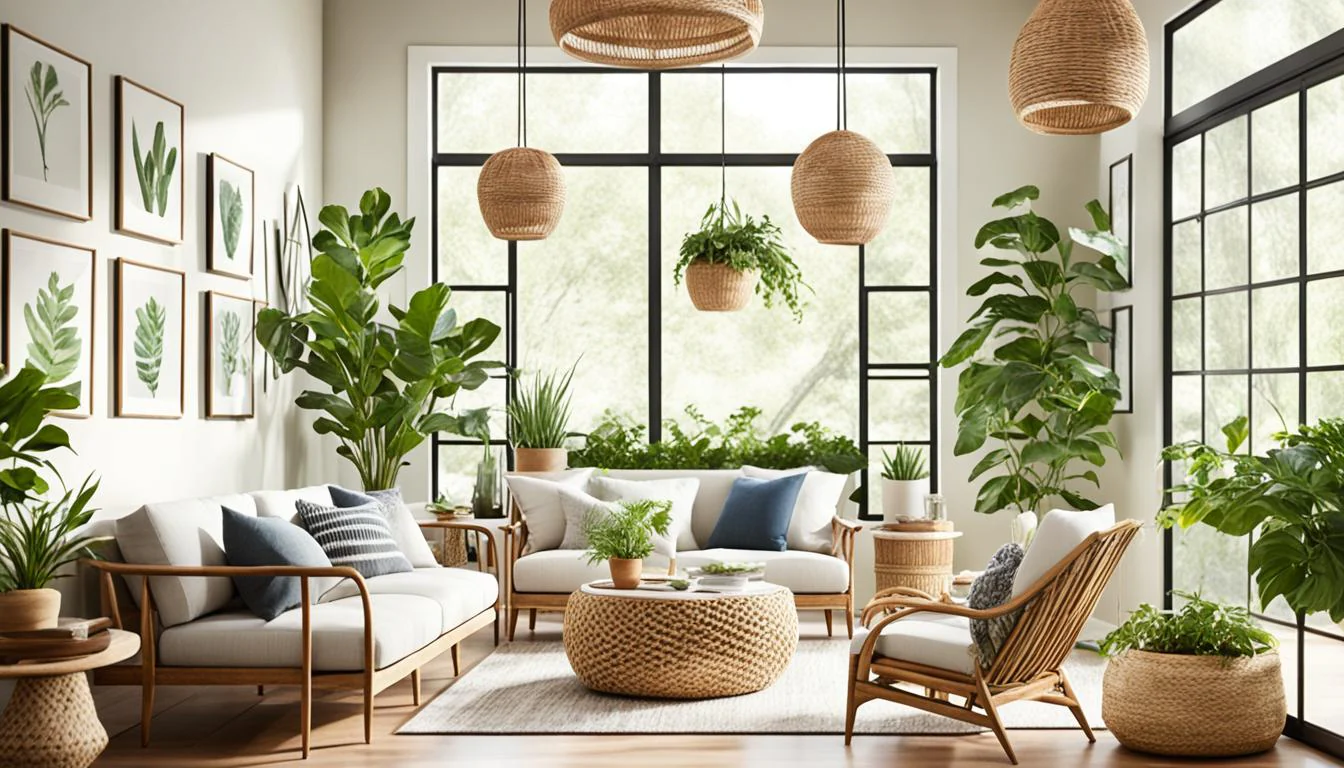
- Biophilic Design: Bringing nature indoors is a growing trend. Biophilic design emphasizes natural elements like wood, plants, and natural light to create a connection between people and nature. This trend promotes well-being and a calming atmosphere in homes.
- Smart Homes: Technology is increasingly integrated into home design. Smart thermostats, lighting, security systems, and voice-controlled devices are now part of many homes, making everyday tasks more efficient and convenient.
- Sustainability: As sustainability becomes a priority, energy-efficient appliances, eco-friendly materials, and greener design practices are gaining traction. Homeowners are more mindful of their environmental impact and are making conscious choices that prioritize the planet’s health.
Conclusion
Home design is an art form that combines creativity, functionality, and personal style to create spaces that work for the people who live in them. Whether you are updating a single room or redesigning an entire home, the design choices you make can transform your environment, enhance comfort, and reflect your personality. From layout to color schemes, furniture to textures, every detail plays a role in making a house feel like home. With careful thought and attention to detail, home design allows you to craft a space that is not only beautiful but also functional and welcoming.