Vehicular bridges provide essential connections across streams, wetlands, drainage channels, and uneven terrain. For golf courses, commercial developments, municipal properties, and private access roads, a well-designed bridge must support the vehicles that use it while remaining compatible with its surroundings. Timber is a practical option for these projects because it combines structural versatility with a natural appearance.
Successful vehicular timber bridge construction requires careful engineering, appropriate foundation design, and construction methods suited to the site. Unlike pedestrian bridges, vehicular crossings must account for vehicle weight, traffic frequency, and the possibility of heavier maintenance or service equipment using the structure. Addressing these requirements early helps create a bridge that provides dependable access and long-term value.
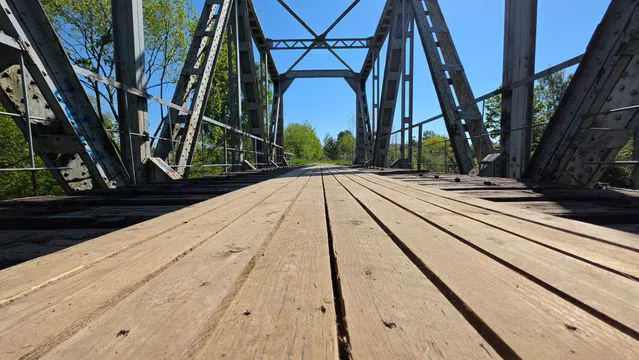
Understanding Vehicular Timber Bridge Requirements
Vehicular timber bridges are designed to carry traffic ranging from golf carts and small maintenance vehicles to service trucks and heavier vehicles, depending on the engineering specifications. The intended use determines many of the structure's most important design decisions.
Before construction begins, project planners need to identify the heaviest vehicle expected to cross the bridge and consider how frequently it will be used. A crossing intended for occasional groundskeeping equipment may have different requirements from one serving regular commercial deliveries or public infrastructure.
Load requirements influence the bridge deck, supporting members, connections, span arrangement, and foundations. Engineers must evaluate these components as part of a complete structural system rather than treating the deck or supporting beams as independent elements.
Applicable design standards, safety requirements, and site conditions must also be considered. Clearly defining the bridge's intended use helps establish realistic specifications and reduces the risk of costly changes during construction.
Where Are Vehicular Timber Bridges Used?
Timber bridges can serve a wide range of properties and infrastructure projects. Their suitability depends on the required load capacity, span, environmental conditions, and engineering design.
Golf Courses and Recreational Properties
Golf courses often require bridges that accommodate golf carts, groundskeeping equipment, and occasional maintenance vehicles. These crossings may extend over streams, drainage areas, wetlands, or landscaped features that form part of the course.
The bridge must provide reliable passage without disrupting the surrounding design. Its width, approach geometry, and load capacity should reflect the vehicles that need to cross, including equipment used for routine course maintenance.
Appearance also matters in recreational settings. Timber can complement trees, water features, and landscaped areas, allowing the bridge to serve a practical purpose while fitting naturally into the course.
Construction planning should account for continued property use and the protection of nearby features. A carefully selected installation method can help reduce unnecessary disturbance and keep work organized around the site's operational requirements.
Commercial Developments and Private Access Roads
Commercial properties may need vehicular bridges to connect buildings, service areas, parking facilities, or sections of land separated by a waterway. Depending on the application, the structure may need to support delivery vehicles, maintenance trucks, and regular site traffic.
Private access roads can present similar challenges. A bridge must provide sufficient capacity for the vehicles that use the route, including emergency or service vehicles where applicable.
Planning should consider more than the bridge itself. Approach roads, turning space, drainage, construction access, and the movement of vehicles during installation can affect the overall project.
A custom design helps address these conditions while balancing structural performance, site constraints, and the property's appearance.
Municipal and Public Infrastructure
Municipal projects may require vehicular crossings for park roads, maintenance routes, public facilities, or access through environmentally sensitive areas. These bridges must meet the relevant public safety and engineering requirements while remaining practical to maintain.
Long-term ownership costs are important for public infrastructure. Municipal planners may need to consider inspections, maintenance schedules, expected service life, and access for future repairs when evaluating construction options.
Timber can be suitable for selected applications when its structural capacity, exposure conditions, and maintenance requirements align with the project's needs. A thorough evaluation helps determine whether it is an appropriate choice for the specific crossing.
Engineering for Vehicle Loads and Structural Stability
Load capacity is one of the most important considerations in vehicular timber bridge construction. The bridge must safely support the loads anticipated during its intended service life, including the effects of moving vehicles and other applicable design loads.
Engineers evaluate the design vehicle, expected traffic, span length, structural arrangement, and relevant loading standards. These factors influence the selection and sizing of the deck system and supporting members.
Stress-laminated timber decks and glued-laminated timber members are among the systems that may be considered for suitable projects. The appropriate combination depends on the span, load requirements, available materials, and engineering specifications.
Heavier traffic requires particular attention. A bridge designed for golf carts should not automatically be assumed suitable for delivery trucks or highway vehicles. Any change in the expected vehicle type or weight may require a fresh engineering assessment.
A properly documented design establishes the intended capacity and provides a basis for construction, inspection, and future maintenance. Owners should ensure that operational restrictions are clearly understood and followed after the bridge is completed.
Choosing the Right Foundation
A bridge's foundation transfers structural loads into the ground and helps maintain stability under changing conditions. Foundation design becomes especially important where a crossing is located near water, on soft soil, or within a wetland.
Conventional shallow foundations may not be appropriate for every site. Where soil conditions require deeper support, pile-driven foundations can transfer loads into more suitable underlying material.
The foundation approach must be selected through an assessment of soil characteristics, water movement, expected loads, and environmental restrictions. Poorly matched foundations can contribute to settlement or other structural problems, making early evaluation essential.
Pile-driven systems can be useful in soft soils and other challenging locations, but their suitability depends on the site's geotechnical conditions and engineering requirements. Installation methods should also account for environmental constraints and the need to minimize unnecessary excavation.
Reducing Environmental Impact During Construction
Vehicular bridge projects frequently involve waterways, wetlands, flood-prone areas, and other locations where construction activities can affect sensitive environments. Protecting these areas requires planning that considers both the final structure and the process used to build it.
Top-down construction is one approach that may reduce ground disturbance in suitable circumstances. By progressing from the developing bridge structure, construction teams can limit the need to move equipment and materials across sensitive ground beneath or beside the crossing.
Pile-driven foundations may also help reduce extensive excavation where they are appropriate for the site. Specialized equipment and coordinated material delivery can support installation in locations where access is restricted.
Clear-span bridge designs offer another option for certain crossings. By eliminating intermediate supports within the span, they can reduce the need for in-water construction and disturbance to sensitive soils. Whether a clear span is feasible depends on the crossing distance, design loads, structural requirements, and site conditions.
Environmental permits and approvals may be required depending on the project location. Early coordination helps identify potential restrictions and incorporate suitable construction methods into the design and schedule.
Clear-Span Timber Bridges for Challenging Sites
A clear-span timber bridge crosses an opening without intermediate supports within the crossing area. This configuration can be useful over streams, wetlands, and other locations where placing supports in the water or on sensitive ground would be undesirable.
Reducing the number of in-water supports may simplify certain aspects of construction and environmental review. It can also preserve the open area beneath the bridge, depending on the design and site requirements.
However, a clear span must still meet the structural demands of the project. Longer spans can require different supporting members, connection details, and construction arrangements than shorter crossings.
The decision should be based on an engineering evaluation that considers load capacity, span length, foundation locations, environmental constraints, and total project cost. Clear-span construction is not automatically the best solution for every location, but it can be a valuable option where minimizing disturbance is a priority.
The Vehicular Timber Bridge Construction Process
A structured construction process helps keep engineering requirements, site conditions, and project expectations aligned.
The first stage is an initial consultation to establish the purpose of the bridge, the vehicles it must support, and any known site restrictions. This discussion helps define the scope of the project and identify information needed for further evaluation.
A site inspection follows. The project team assesses terrain, soil conditions, water movement, crossing dimensions, and available routes for equipment and materials. These observations inform foundation selection and construction planning.
The design stage translates the site information into a suitable structural solution. Plans should address the bridge layout, material specifications, load ratings, foundation arrangement, construction methods, and expected schedule.
During construction, the selected methods are implemented according to the approved design and applicable requirements. Coordination of equipment, material delivery, and site access can help limit delays and unnecessary environmental disturbance.
After installation, a final inspection helps verify that the completed structure meets the applicable requirements and project specifications. Owners should also receive relevant maintenance guidance, inspection recommendations, and information about any warranty provisions.
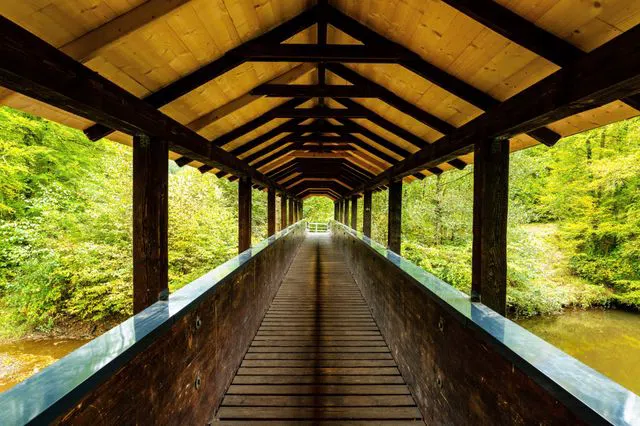
Durability, Inspection, and Long-Term Maintenance
Timber bridges can provide long service when materials, detailing, construction quality, and maintenance are appropriate for the environment. Their performance depends on exposure to moisture, drainage conditions, timber selection, connections, and the loads they carry.
Material selection should account for the conditions at the site. Suitable timber species, pressure-treated materials where appropriate, and construction details that manage moisture can help reduce the risk of premature deterioration.
Regular inspections are important for identifying wear, damage, settlement, and other changes that could affect performance. Inspection programs should consider the bridge's age, design, traffic, environmental exposure, and applicable requirements.
Maintenance planning should be established before problems develop. Keeping records of inspections and repairs helps owners monitor the structure over time and make informed decisions about upkeep.
Changes in use also deserve attention. If a bridge originally intended for light vehicles will begin carrying heavier equipment, its capacity should be reviewed by a qualified professional before the change is implemented.
Planning a Successful Vehicular Timber Bridge Project
A successful bridge project starts with a clear definition of its purpose, load requirements, and site constraints. Owners should identify the heaviest expected vehicle, anticipated traffic patterns, environmental considerations, and any restrictions that may affect construction.
Site evaluation and engineering design provide the foundation for decisions about structural systems, span arrangements, and foundations. Considering construction access and environmental protection at the same stage can help reduce avoidable complications.
Budget planning should include design, permitting, materials, equipment, installation, inspections, and future maintenance. Comparing alternatives on the basis of total lifecycle cost provides a more useful picture than focusing exclusively on the initial construction price.
Vehicular timber bridges can provide dependable access for golf courses, commercial properties, private roads, and selected public infrastructure projects. With appropriate engineering, site-specific construction methods, and a practical maintenance plan, they can combine structural performance with a natural appearance and responsible site management.