Industrial facilities depend on durable, accurately manufactured components to support machinery, production lines, and everyday operations. From equipment platforms and machine bases to conveyors, hoppers, and processing tanks, fabricated structures must meet specific dimensional and functional requirements. Poorly fitted components can create installation delays, alignment problems, and additional maintenance demands.
Industrial fabrication and welding services help businesses obtain components designed around their equipment, facility layouts, and operational needs. Through careful planning, accurate measurements, appropriate material selection, and controlled welding processes, fabrication teams can produce structures that are ready for installation and suitable for demanding industrial environments.
Stainless steel fabrication is particularly valuable in facilities where durability, corrosion resistance, and clean operating conditions are important. Food processing plants, manufacturing facilities, and other industrial operations often require custom components that combine structural strength with practical design.
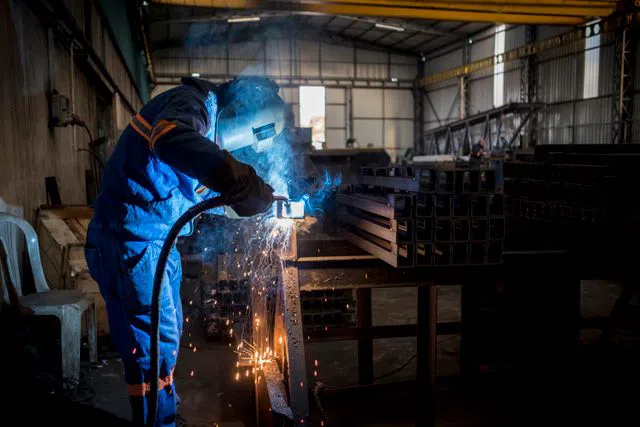
What Are Industrial Fabrication and Welding Services?
Industrial fabrication involves manufacturing metal components and structures from materials such as stainless steel and other industrial metals. The process may include cutting, forming, drilling, assembling, and welding individual parts into finished products.
Welding joins metal components using an appropriate process for the materials, design, and intended application. Different projects require different welding methods and specifications, making it important to understand the characteristics of the materials and the conditions in which the finished component will operate.
Industrial fabrication can range from producing a simple support bracket to manufacturing large assemblies used in production environments. Common projects include access platforms, stairways, machine bases, material hoppers, storage bins, conveyors, mixing tanks, guards, and structural supports.
The objective is not simply to manufacture a metal component. Each piece must fit its intended location, connect correctly with surrounding equipment, and perform reliably under normal operating conditions.
The Importance of Precision in Industrial Metal Fabrication
Accurate fabrication has a direct effect on installation efficiency and equipment performance. Even small dimensional differences can create problems when components need to connect with existing machinery, structural supports, or production systems.
For example, a machine base must provide suitable support and allow equipment to be positioned correctly. Conveyor supports need to match the intended layout, while access platforms must provide appropriate clearance around the machinery they serve. If connection points or mounting holes are misplaced, installation teams may need to make adjustments that increase labor and delay project completion.
Precision begins with understanding the drawings and confirming important measurements before production starts. Where necessary, field verification helps confirm dimensions that could affect installation. Fabrication teams can then prepare components according to the agreed specifications and check critical measurements during production.
Careful fit-up and final verification also help ensure that finished assemblies match the intended design. This reduces uncertainty during installation and gives maintenance teams more predictable structures to work with over time.
Stainless Steel Fabrication for Industrial Applications
Stainless steel is widely used in industrial environments because of its durability and resistance to corrosion. Its properties make it suitable for applications where equipment and structures may encounter moisture, frequent cleaning, or demanding operating conditions.
Food processing facilities are one important application. Stainless steel components may be used for processing platforms, mixing tanks, hoppers, machine supports, and other structures associated with production equipment. In these environments, material selection and fabrication quality can contribute to cleanability, durability, and reliable operation.
Stainless steel fabrication is also useful in manufacturing plants and other facilities that require strong, practical structures. Equipment guards, access platforms, conveyor supports, and machine bases can be designed to suit specific layouts and operational requirements.
The choice of material and fabrication method should reflect the intended application. Factors such as exposure to moisture, operating conditions, structural loads, cleaning requirements, and compatibility with existing equipment should be considered before production begins.
Common Industrial Fabrication Projects
Industrial fabrication covers a wide range of components, each serving a specific purpose within a facility. Custom designs allow businesses to address requirements that standard, off-the-shelf products may not accommodate.
Processing and Access Platforms
Processing platforms provide working areas around industrial equipment. They allow authorized personnel to reach machinery for operation, inspection, cleaning, and maintenance. These structures may include stairs, ladders, handrails, and crossover sections to support safe movement throughout a production area.
Accurate measurements are important because platforms must fit around existing equipment and available floor space. Their design should account for access requirements, structural support, and the working environment.
Machine Bases and Structural Frames
Machine bases and frames provide mounting and support for industrial equipment. Their dimensions and connection points must correspond with the machinery they are intended to hold.
A properly fabricated base can support accurate equipment placement and help maintain alignment. This is particularly important for machinery that connects to other production systems or contains rotating components.
Hoppers, Bins, and Mixing Tanks
Material hoppers and storage bins are used to hold, collect, or transfer materials during production. Their shape, capacity, and connection points depend on the material being handled and the surrounding process equipment.
Mixing tanks and other process vessels also require careful fabrication to meet their intended operational requirements. Material selection, joint quality, dimensional accuracy, and finishing all contribute to the suitability of the finished assembly.
Conveyors, Guards, and Equipment Supports
Conveyors move materials between production stages, while fabricated supports help maintain their position within a facility. Guards and enclosures provide separation around equipment and production interfaces, helping protect workers from moving components and other operational hazards.
These structures should be designed to fit the facility layout and allow appropriate access for inspection and maintenance. Accurate fabrication can make installation more straightforward and reduce the need for adjustments in the field.
How the Industrial Fabrication Process Works
A structured fabrication process helps maintain quality and keep projects aligned with installation schedules. Each stage contributes to ensuring that the finished components meet the required specifications.
Reviewing the Scope and Drawings
The project begins with reviewing the required work, drawings, material specifications, connection details, and finish expectations. Any unclear information should be addressed before fabrication starts.
This stage helps establish what needs to be produced and how each component will connect to the surrounding structure or equipment. It also provides an opportunity to identify details that could affect assembly or installation.
Verifying Measurements and Site Conditions
When dimensions are critical, measurements may need to be confirmed at the installation site or with the project team. Field verification helps reduce the risk of manufacturing components that do not fit the available space.
Access conditions, connection locations, and nearby equipment may also influence the final design. Confirming these details early can prevent avoidable rework.
Preparing Fabrication Details
Shop details provide the information needed to manufacture and assemble each component. They may specify hole sizes, connection types, dimensions, and other important features.
Clear detailing helps ensure that parts are produced consistently and that installation teams understand how assemblies are intended to fit together. Connection points should also allow practical access for tools during installation and maintenance.
Cutting, Forming, and Welding
Once the details are confirmed, materials are cut and formed into the required shapes. Individual parts are then assembled and welded according to the project specifications and applicable welding requirements.
In-process checks help identify dimensional or fit-up issues while fabrication is underway. Addressing problems at this stage can prevent them from affecting the completed assembly.
Fit-Up, Finishing, and Final Verification
After fabrication, critical interfaces and dimensions are reviewed to confirm that components match the intended design. Sharp edges and other handling concerns should be addressed, while surfaces are prepared according to the agreed finish requirements.
Final verification provides an opportunity to identify issues before components are released for delivery. Quality checks help maintain consistency and support a smoother installation process.
Delivery and Documentation
Finished components should be labeled and packaged to support efficient handling and installation. Where several assemblies are involved, delivery sequencing can help ensure that the correct components arrive when the site team needs them.
Documentation accompanying the finished work can provide useful information for installation and future maintenance. Clear records also help project managers track completed items and coordinate the remaining work.
Welding Quality and the Importance of the Right Process
Welding requirements vary depending on the material, component design, and intended application. Selecting an appropriate welding process is important because the finished joint must meet the required strength, quality, and appearance expectations.
Industrial welding may involve different materials and applications, so fabricators need to understand the relevant procedures and specifications. Stainless steel work, for example, requires attention to material characteristics and finishing requirements, particularly in food-related environments.
Certified welding specifications and appropriately qualified personnel can help support consistent workmanship. Inspection and verification should reflect the requirements of the project, including any applicable standards or acceptance criteria.
A suitable welding approach also considers how components will be used after installation. Assemblies exposed to regular movement, vibration, or demanding operating conditions may have different requirements from structures used primarily for access or support.
Designing Fabricated Components for Efficient Installation
A well-fabricated component should make installation easier rather than introduce additional work at the facility. This requires considering site conditions and installation requirements during the design and detailing stages.
Connection points, bolt locations, and clearances should be planned so that installation crews can assemble components without unnecessary adjustments. Appropriate tolerances help support accurate placement, while suitable alignment can reduce the risk of vibration and wear in connected equipment.
Labeling and packaging also contribute to efficient installation. When parts are organized according to the project sequence, site teams can identify components more easily and reduce unnecessary handling.
Coordination between fabrication teams, project managers, and installation personnel is equally important. Clear communication helps ensure that changes to dimensions, schedules, or site requirements are addressed before they affect production or delivery.
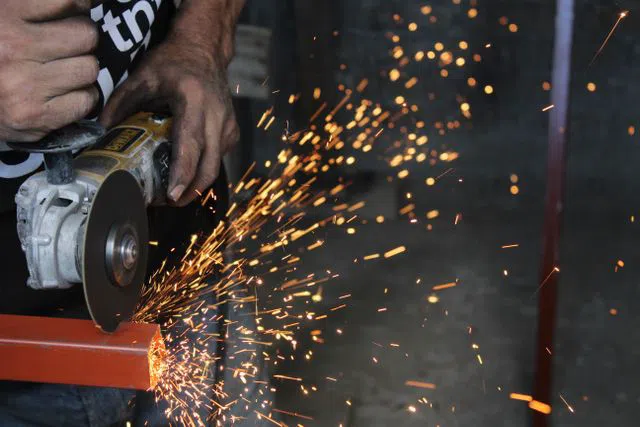
Safety and Compliance in Fabrication Work
Safety should be considered throughout the fabrication process, from material handling and cutting to welding, finishing, and delivery. Industrial workshops contain equipment and activities that require appropriate controls, training, and supervision.
Work procedures should align with applicable occupational safety requirements, including relevant OSHA standards where they apply. Welding activities require suitable protective equipment and controls for hazards such as heat, sparks, fumes, and electrical equipment.
Finished components must also be prepared for safe handling and transportation. Sharp edges, unstable assemblies, and poorly secured materials can create risks during loading, unloading, and installation. Proper packaging and clear documentation help site personnel manage these activities.
Safety planning should continue when fabricated structures reach the facility. Delivery areas, staging locations, and installation zones need to be coordinated to protect workers, equipment, and ongoing operations.
Choosing an Industrial Fabrication and Welding Partner
Selecting a fabrication provider involves more than comparing prices or production timelines. Businesses should evaluate the provider's experience with similar projects, material capabilities, welding knowledge, and ability to work from engineering drawings and site measurements.
Communication is another important consideration. A dependable fabrication partner should be able to clarify project requirements, explain how work will be completed, and provide updates on production and delivery. Documentation and quality checks also help customers understand whether finished components meet the agreed specifications.
For projects involving custom stainless steel structures, experience with industrial applications can be particularly valuable. The provider should understand how fabricated components interact with machinery, production lines, access systems, and the surrounding facility.
Industrial fabrication and welding services play an important role in supporting reliable manufacturing operations. Through accurate measurements, suitable materials, controlled welding, and careful quality checks, custom components can be produced to fit their intended applications. When fabrication is coordinated with installation requirements from the beginning, businesses can reduce avoidable delays, improve site efficiency, and support the long-term performance of their equipment and facilities.