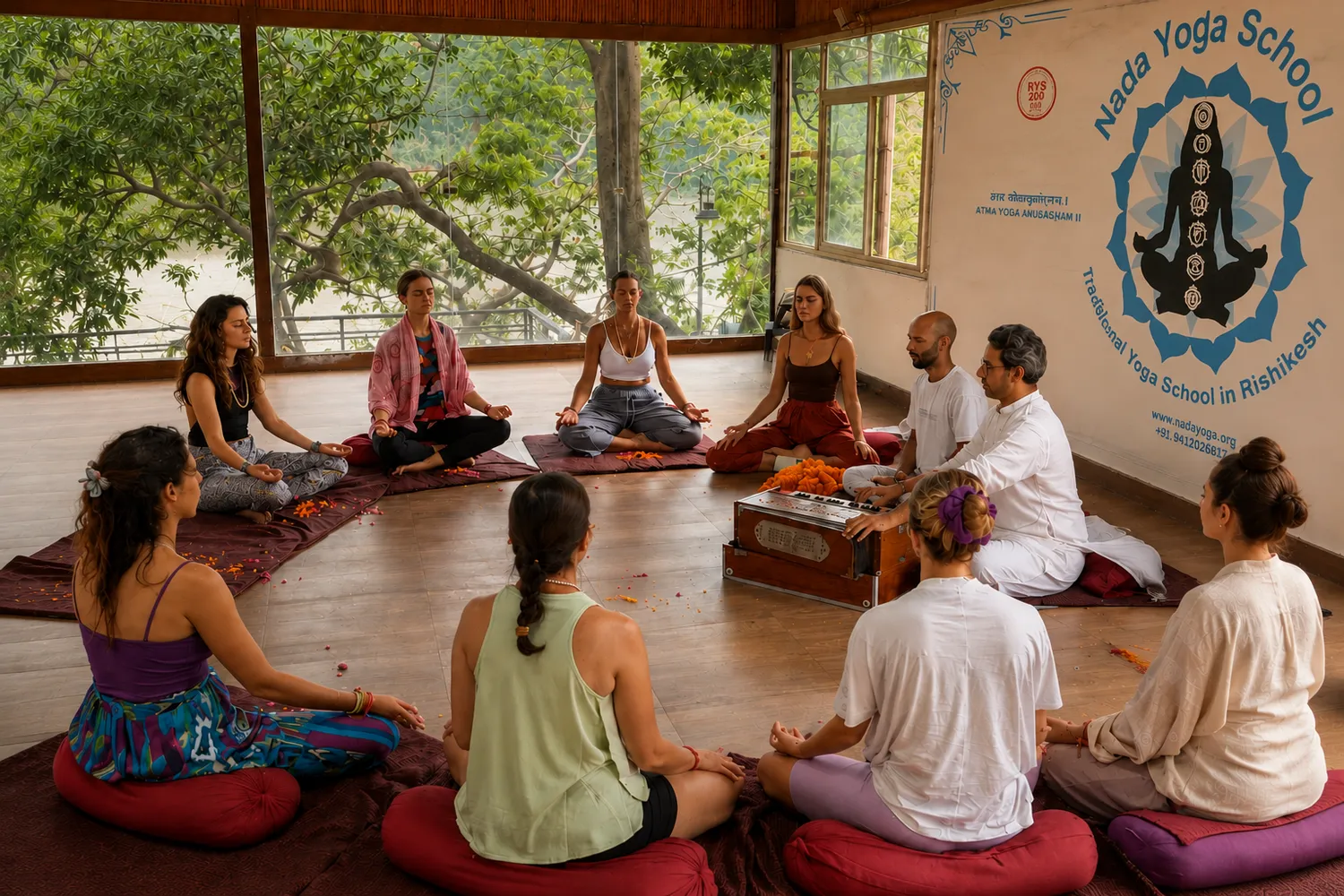
Long before sound healing became a global wellness trend, civilizations around the world understood that sound could influence the human body, mind, and spirit. Sacred chants echoed through temples, rhythmic drums guided healing ceremonies, bells marked moments of meditation, and stringed instruments accompanied spiritual practices. Although these traditions developed independently, they all shared a common belief: sound possesses the power to restore harmony.
Today, sound healing continues to grow in popularity as scientific research explores the relationship between vibration, the nervous system, and emotional well-being. Yet, the roots of this practice extend back thousands of years. Understanding this rich history not only deepens appreciation for modern sound healing but also reveals why authentic education remains essential. Many students now pursue a sound healing teacher training in Rishikesh to study these traditions at their source, where the philosophy of sound has been preserved through generations.
Ancient India's Contribution to Sound-Based Healing Practices
Among all civilizations, India offers perhaps the oldest and most comprehensive understanding of sound as a path to healing and self-realization.
The foundation of Indian sound philosophy lies in Nada Yoga, often translated as the Yoga of Sound. According to yogic teachings, the universe itself originated from vibration. The sacred syllable Om (AUM) symbolizes this primordial sound, representing the creative force behind all existence.
Rather than viewing sound merely as entertainment, Indian sages regarded it as a tool for expanding consciousness.
Traditional sound-based healing practices included:
- Mantra chanting
- Vedic recitation
- Tanpura meditation
- Indian classical ragas
- Temple bells
- Conch shell (Shankha)
- Harmonium and devotional music
- Silent listening meditation
These practices were carefully designed to quiet the mind, regulate breathing, and cultivate inner awareness.
Ancient scriptures such as the Mandukya Upanishad, Nada Bindu Upanishad, and Hatha Yoga Pradipika describe how sound can guide practitioners from external awareness toward deeper states of meditation.
Unlike many modern wellness approaches, the Indian tradition viewed healing as the natural result of inner balance rather than simply the absence of illness.
Ancient Egypt and the Healing Power of Sacred Sound
The civilization of Ancient Egypt also recognized the profound influence of sound.
Priests used chanting, rhythmic percussion, and ceremonial instruments during healing rituals performed inside temples. Historical records suggest that certain chambers were intentionally designed to amplify resonance, creating immersive acoustic environments.
One instrument closely associated with Egyptian spirituality was the Sistrum, a sacred rattle believed to cleanse negative energies and invoke divine protection.
Egyptian healing ceremonies often combined:
- Vocal chanting
- Percussion instruments
- Sacred hymns
- Ritual movement
- Meditation
Although archaeological evidence continues to evolve, historians widely agree that sound played an important role in Egyptian religious and healing traditions.
These practices reflected a belief that harmony within the individual mirrored harmony within the universe.
Tibetan Traditions and the Evolution of Singing Bowls
Today, Tibetan singing bowls are among the most recognized instruments associated with sound healing.
Although the exact historical origins of singing bowls remain debated, Himalayan spiritual traditions have long incorporated bells, bowls, horns, chanting, and ritual instruments into meditation practices.
Monastic ceremonies frequently involve:
- Deep overtone chanting
- Meditation bells
- Singing bowls
- Long horns
- Cymbals
- Drums
Rather than focusing solely on relaxation, these sounds help practitioners develop mindfulness, concentration, and compassion.
Modern wellness centers have adopted Tibetan singing bowls because their sustained harmonic tones naturally encourage deep relaxation and meditative awareness.
Their widespread popularity has introduced millions of people to sound healing around the world.
Indigenous Cultures and Rhythmic Healing
Long before written history, Indigenous communities across Africa, the Americas, Australia, and other regions incorporated sound into daily life and spiritual ceremonies.
Although traditions differed greatly, many shared common elements.
These included:
- Drumming
- Vocal chanting
- Flutes
- Rattles
- Nature sounds
- Ceremonial songs
Rhythmic drumming often accompanied healing rituals, storytelling, seasonal celebrations, and community gatherings.
The repetitive beat encouraged synchronized breathing and collective participation, creating strong emotional and social connections.
Many Indigenous cultures viewed healing as restoring harmony between individuals, their communities, nature, and the spiritual world.
Sound served as a bridge connecting all of these dimensions.
Ancient Greece and the Philosophy of Musical Healing
Ancient Greek philosophers also explored the relationship between sound and health.
Pythagoras, famous for his mathematical discoveries, believed that numerical relationships governed both music and the universe.
His concept of the "Music of the Spheres" suggested that cosmic harmony could be understood through vibration.
Greek physicians and philosophers observed that different musical modes appeared to influence emotions, behavior, and mental states.
Music became part of education because it was believed to cultivate:
- Emotional balance
- Moral character
- Intellectual development
- Social harmony
Although modern neuroscience explains these effects differently, the underlying observation remains familiar: sound influences the human experience.
Sacred Sound in Chinese Medicine
Traditional Chinese philosophy has long emphasized balance as the foundation of health.
Ancient healing systems incorporated sound through breathing exercises, vocalization, and meditative practices designed to support the flow of Qi, or vital energy.
The Six Healing Sounds practice remains one of the best-known examples.
Each sound corresponds with a specific organ and is traditionally believed to help release emotional tension while encouraging energetic balance.
Combined with mindful breathing and movement, these vocal practices continue to be taught worldwide.
The Shared Principles Behind Ancient Sound Healing Traditions
Although these cultures developed independently, remarkable similarities appear across their healing systems.
Nearly every tradition recognized that intentional sound could influence human well-being.
Common principles include:
- Rhythm calms the mind.
- Repetition deepens concentration.
- Chanting regulates breathing.
- Vibration encourages relaxation.
- Silence enhances awareness.
- Community singing strengthens emotional connection.
- Sacred intention amplifies practice.
These recurring themes demonstrate that sound has served humanity as both medicine and meditation across civilizations.
How Ancient Traditions Inspire Modern Sound Healing Courses
Today's professional practitioners draw inspiration from many of these historical traditions.
Modern sound-based healing practices often combine elements such as:
- Singing bowls
- Gongs
- Voice work
- Mantra chanting
- Breath awareness
- Meditation
- Mindful listening
- Relaxation techniques
However, authentic training goes beyond learning instruments.
Students explore philosophy, ethics, anatomy, meditation, and the cultural roots of healing through sound.
Understanding history allows practitioners to teach with greater authenticity and respect for the traditions that shaped the field.
Why Choose a Sound Healing Teacher Training in Rishikesh?
Among all destinations for studying holistic wellness, Rishikesh holds a unique place.
Known worldwide as the birthplace of yoga, the city continues to preserve the living traditions of mantra, meditation, classical yoga, and Nada Yoga.
Enrolling in a sound healing teacher training in Rishikesh offers far more than technical instruction.
Students experience:
- Traditional mantra chanting
- Nada Yoga philosophy
- Meditation practices
- Himalayan spiritual culture
- Experienced yoga teachers
- Daily personal practice
- Community learning
Many programs also offer internationally recognized sound healing certification, allowing graduates to confidently share their knowledge with students and clients worldwide.
Learning within the spiritual atmosphere of Rishikesh provides an immersive experience that cannot easily be replicated through online education alone.
What to Look for in a Sound Healing Course in Rishikesh
If you are considering a sound healing course in Rishikesh, choosing the right program is essential.
Look for a curriculum that includes:
- History and philosophy of sound healing
- Foundations of Nada Yoga
- Practical experience with multiple instruments
- Meditation and breathwork
- Voice cultivation
- Anatomy of hearing and vibration
- Session planning
- Ethics and professional practice
- Supervised teaching experience
A comprehensive education prepares students not only to facilitate sound healing sessions but also to understand the deeper traditions from which these practices originate.
Conclusion
The history of sound healing spans continents, cultures, and thousands of years. From the sacred mantras of ancient India and the ceremonial chants of Egypt to Tibetan meditation practices, Indigenous drumming traditions, Greek philosophy, and Chinese healing arts, one truth appears repeatedly: sound has always been regarded as a powerful force for restoring balance.
Today, modern research continues to build upon this ancient wisdom, offering growing sound healing evidences that support the calming effects of vibration on the mind and body. Yet, understanding techniques alone is not enough. Appreciating the history, philosophy, and cultural context behind these traditions allows practitioners to approach sound healing with greater depth and authenticity.
For those seeking both personal transformation and professional growth, a sound healing teacher training in Rishikesh provides the opportunity to study these timeless teachings in the birthplace of yoga. Combined with a comprehensive sound healing certification, such training equips students to carry forward one of humanity's oldest healing traditions while sharing its benefits with the modern world.