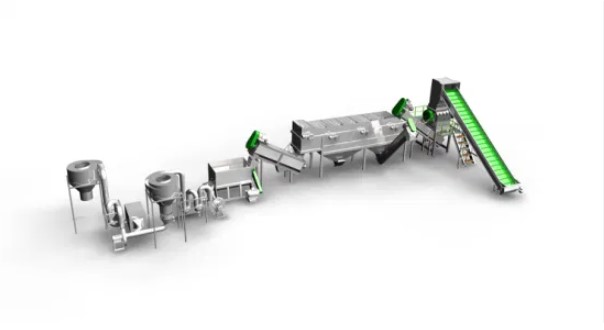
The function of plastic washing plants is crucial and closely monitored in India's fast-paced waste management scene. These facilities are essential to reducing the negative effects of plastic pollution on the environment since they are made to process and recycle discarded plastic. However, studying the plastic's lifetime in Indian washing facilities is crucial to appreciating their efficacy and pinpointing places in need of development.
Plastic Collection and Sorting
The journey begins with the collection of waste plastic from various sources, including households, industries, and commercial establishments. Once gathered, the plastic undergoes a meticulous sorting process. Sorting is critical to segregate different types of plastic based on their composition, facilitating efficient recycling and minimizing contamination.
Transportation to Washing Plants
After sorting, the segregated plastic is transported to waste plastic washing plant in India. The transportation process is a key link in the chain, and efficient logistics are crucial to ensure timely and cost-effective movement of plastic to the recycling facilities.
Cleaning and Washing Process
Upon arrival at the washing plant, the plastic undergoes a thorough cleaning and washing process. This step is essential to remove contaminants, dirt, and other impurities, preparing the plastic for the subsequent stages of recycling. Advanced technologies are employed to ensure that the plastic is cleaned effectively, contributing to the overall quality of recycled material.
Mechanical and Chemical Processing
The cleaned plastic is then subjected to mechanical and chemical processes to break it down into granules or pellets. These processes vary based on the type of plastic being recycled. Mechanical processes involve shredding and grinding, while chemical processes may include depolymerization and extrusion. The goal is to transform the plastic into a form that can be easily used in the manufacturing of new products.
Quality Control and Testing
Quality control measures are implemented to ensure that the recycled plastic meets industry standards. Rigorous testing is conducted to assess the purity, strength, and composition of the recycled material. This step is crucial to guarantee that the recycled plastic can be effectively used in the production of new goods.
Environmental Impact and Sustainable Practices
While waste plastic washing plants in India contribute significantly to recycling efforts, environmental concerns persist. Efforts are being made to adopt more sustainable practices within these facilities, such as reducing water consumption, optimizing energy use, and implementing eco-friendly packaging for the processed plastic.
Conclusion
The lifecycle of plastic in Indian washing plants is a complex and multifaceted process that requires attention to detail and adherence to best practices. By understanding each stage of this lifecycle, stakeholders can identify opportunities for improvement and work towards making waste plastic washing plant in India more sustainable and environmentally friendly.