Ask anyone who has spent a career on the water, whether hauling in nets off the Gulf Coast or running the books for a seafood export company, and they will tell you the same thing: clean water is not an abstract environmental talking point. It is the difference between a healthy catch and an empty hold. Few pieces of American legislation have shaped that reality as much as the Clean Water Act, a law that most people outside the fishing and shipping trades barely think about, yet one that quietly governs how fish get from the ocean to the dinner table.
A Law Born Out of Necessity
The Clean Water Act was signed in 1972, at a time when American rivers were in genuinely rough shape. The Cuyahoga River in Ohio had famously caught fire the year before, not because of some freak accident, but because it was so choked with industrial waste and oil that it was practically flammable. Lakes were turning green with algae, wetlands were being paved over or drained without a second thought, and industrial discharge pipes ran straight into public waterways with almost no oversight.
Congress responded by passing a law with a fairly simple goal: restore and maintain the chemical, physical, and biological integrity of the nation's waters. In practice, that meant setting limits on what could be dumped into rivers, lakes, and coastal waters, requiring permits for industrial and municipal discharges, and protecting wetlands that act as natural filters and nurseries for aquatic life. It also established the National Pollutant Discharge Elimination System, a permitting framework that forces factories, treatment plants, and other facilities to prove they are not poisoning the water they release.
None of this was written with fishermen specifically in mind. But water quality and fish stocks are so tightly linked that the law ended up having an outsized effect on an entire industry that depends on healthy oceans, bays, and rivers for its survival.
Why Fish Need Clean Water More Than We Realise
Fish are not passive residents of their environment the way a fence post is. Their gills are constantly exchanging gases and absorbing whatever is dissolved in the water around them. Pollutants, whether heavy metals from industrial runoff, excess nitrogen from agricultural fertilizer, or plain old sediment from construction sites, do not just sit harmlessly in the background. They accumulate in fish tissue, disrupt spawning cycles, and in some cases wipe out entire nursery habitats before juvenile fish ever get a chance to mature.
Wetlands and estuaries, the marshy in-between zones where rivers meet the sea, are especially important here. A huge percentage of commercially valuable species, from shrimp to flounder to striped bass, spend at least part of their life cycle in these coastal nurseries. When the Clean Water Act extended protection to these areas, it was effectively protecting fish before they were even old enough to be caught. That single regulatory decision has had ripple effects across the entire seafood supply chain for more than fifty years.
From Regulation to the Dinner Plate
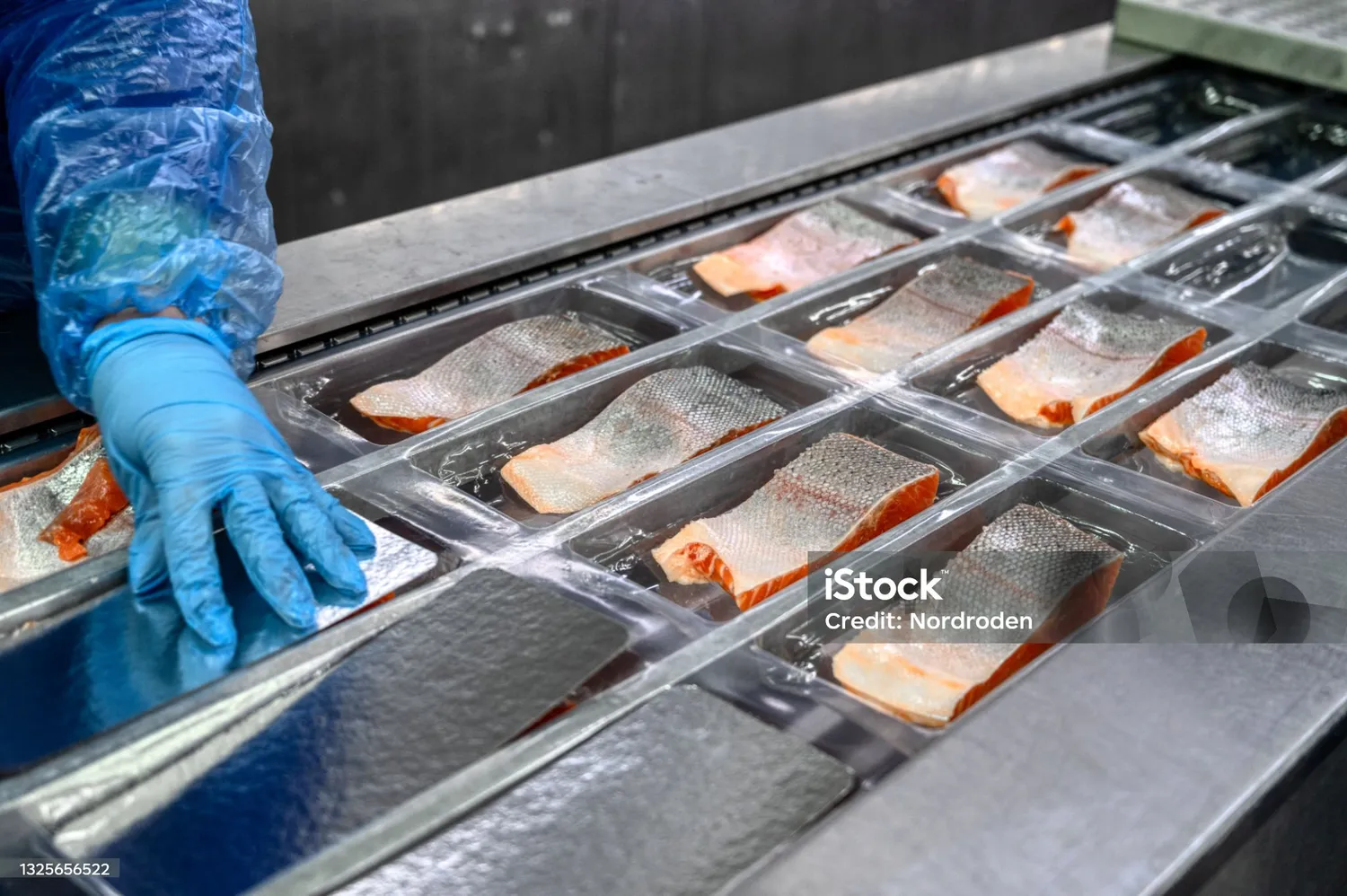
It is worth walking through how this actually plays out for the businesses that make up the fishing economy. Fish processing companies, the operations that clean, fillet, freeze, and package fish for retail and restaurant markets, rely on a steady, predictable supply of healthy fish. When water quality dips in a given region, whether from a chemical spill or chronic agricultural runoff, processors feel it almost immediately in the form of smaller catches, contaminated stock that fails safety testing, or outright fishery closures ordered by regulators.
The Clean Water Act's permitting system gives these companies a degree of predictability that did not exist before 1972. Facilities that might otherwise discharge waste into a river now have to meet enforceable standards, and citizens or environmental groups can actually sue polluters who violate their permits. That accountability mechanism, more than any single technical provision, is probably the law's biggest contribution to the fishing industry's long-term stability.
There is also a quieter, more global dimension to this story. American consumers do not eat only domestically caught fish. A significant share of the seafood on grocery store shelves and restaurant menus is imported, and increasingly, buyers are asking harder questions about where that fish comes from and how it was caught. Sourcing agents looking for the best Indian Ocean tuna, for example, are not just chasing flavour and price anymore. They are also weighing whether the waters those tuna came from are managed sustainably, since consumers and retailers alike have grown far more sensitive to environmental provenance. American water quality law does not directly regulate foreign fisheries, of course, but it has helped normalise the expectation that clean water and healthy fish stocks go hand in hand, an expectation that international buyers increasingly apply everywhere they source from.
That shift has real consequences for how fresh tuna suppliers operate, whether they are based in the Pacific, the Indian Ocean, or closer to home. Buyers want traceability. They want to know that the water a fish came from was not compromised by industrial runoff or unchecked coastal development. Suppliers who can document clean sourcing practices increasingly have an edge in a market where restaurants and grocery chains are under pressure from their own customers to source responsibly.
The Ongoing Balancing Act
None of this is to say the Clean Water Act has solved every problem facing American fisheries. Agricultural runoff remains a major loophole, since the law has historically exempted many farming operations from the same discharge permitting requirements that apply to industrial facilities. Nutrient pollution from fertilizer continues to fuel dead zones in places like the Gulf of Mexico, where oxygen levels drop so low that fish and shrimp simply cannot survive. Climate change adds another layer of complexity, warming coastal waters in ways the original 1972 law never anticipated.
Court battles over the definition of "waters of the United States," meaning which wetlands and waterways actually fall under federal protection, have also swung back and forth across different presidential administrations, creating uncertainty for both regulators and the industries that depend on consistent rules. Fishermen, processors, and exporters alike have learned to watch these legal developments closely, since a narrower definition of protected waters can mean fewer safeguards for the nursery habitats their livelihoods depend on.
Still, more than five decades after it was signed into law, the Clean Water Act remains one of the most consequential pieces of environmental legislation for anyone whose living depends on what comes out of the water. It shaped the rivers that feed into estuaries, the estuaries that nurse young fish, and ultimately the fish that end up on a plate thousands of miles from where they were caught. For an industry that lives and dies by the health of the water itself, that connection is not a footnote. It is the whole story.