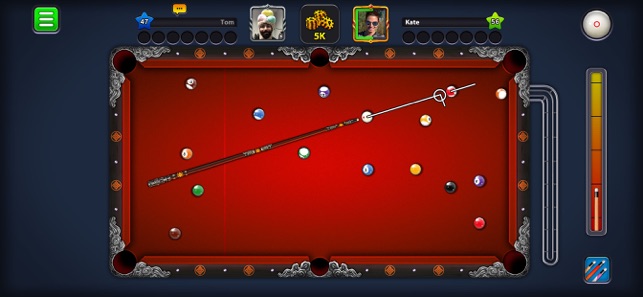
In the world of cue sports—pool, billiards, snooker—some shots seem so improbable, so defiant of physics and logic, that they earn the label “impossible.” Yet, time and again, players at all levels—from street hustlers to world champions—have pulled off these seemingly unattainable feats. Whether it’s a multi-cushion bank, a jump shot that defies gravity Signup , or a razor-thin combo, these “impossible shots” not only stunned audiences but also reshaped how we think about skill, precision, and creativity in cue sports.
In this article, we’ll explore some of the most legendary impossible shots that actually worked, analyze what made them successful, and highlight the lessons these shots offer to anyone wanting to elevate their game.
What Makes a Shot “Impossible”?
Before diving into specific shots, it’s important to understand what defines an impossible shot. It’s not just about difficulty—many shots are tough but doable with practice. Instead, impossible shots typically share characteristics such as:
- Unpredictable geometry: Multiple rails, extreme angles, or balls positioned in ways that appear to have no clear solution.
- Technical mastery: Requiring perfect control of spin, speed, and aim.
- Physical improbability: Shots that seem to defy physics, such as balls jumping over obstacles or traveling great distances with precision.
- Element of risk: Shots with tiny margins for error where success seems more luck than skill.
Despite these challenges, players have found ways to make these shots happen—often under intense pressure, cementing their place in cue sports history.
Famous Impossible Shots That Changed the Game
1. The 5-Cushion Bank Shot by Willie Mosconi
Willie Mosconi, one of the greatest pool players of all time, was known for his precision and smooth style. Among his most iconic shots was a 5-cushion bank shot that left audiences breathless. In this shot, the object ball had to bounce off five rails before dropping into a corner pocket. The geometry and spin control required were extraordinary, but Mosconi’s mastery of angles and cue ball manipulation made the “impossible” routine.
Lesson: Perfect understanding of cushion angles and subtle spin control can turn multi-rail shots from dreams into realities.
2. Efren “The Magician” Reyes’ Massé Shot
Efren Reyes, famously called “The Magician,” has created countless impossible shots during his career. One of his signature moves is the massé shot—a technique where the cue stick is elevated steeply, making the cue ball curve dramatically around obstacles. In one legendary moment, Reyes curved the cue ball almost 180 degrees to pocket a ball blocked by others.
Lesson: Advanced stroke techniques and understanding cue ball physics can unlock shots that defy conventional aiming.
3. Jump Shots Over Blocking Balls
Jump shots—where the cue ball literally leaps over an obstructing ball—are often considered difficult and risky. However, some players have made spectacular jump shots over multiple balls or onto precise spots after the jump. Jason Shaw, a modern trickshot artist, has popularized these shots in competitions, often clearing clusters in a single leap.
Lesson: Mastering the correct cue elevation, stroke speed, and timing makes what looks impossible achievable.
4. Combination Shots with Millimeter Margins
Combination shots—where one ball strikes another to pocket it—can be simple or mind-bogglingly complex. Some incredible shots have involved the cue ball hitting a cluster of balls that send another ball into a tight pocket. One famous example is when players have banked or kicked the cue ball around the table to align perfectly with a combo ball that looks impossible to sink.
Lesson: Visualization, precise aim, and patience can open paths for shots that initially seem blocked.
What Makes These Shots Work?
These incredible shots succeed because of several factors:
1. Physics and Geometry
Understanding the angles, spin, and force needed is fundamental. Great players internalize these principles, sometimes subconsciously, allowing them to execute shots that others only dream about.
2. Practice and Muscle Memory
What looks impossible on the surface is often the product of countless hours of practice. Repeating shots, learning from failures, and refining technique help players build muscle memory and confidence.
3. Mental Focus and Calm
Attempting high-risk shots requires nerves of steel. Maintaining focus under pressure and staying calm helps players execute these shots with precision.
4. Creative Problem-Solving
Sometimes the table layout offers no obvious solution, and players must invent new ways to strike the ball—whether by using unusual spins, unconventional angles, or even kick shots that rebound multiple times.
Why Attempt Impossible Shots?
Some might wonder why players risk attempting impossible shots when simpler options are available. The answer lies in the combination of strategy, psychology, and entertainment:
- Strategic advantage: Pulling off an impossible shot can turn the tide of a game, breaking a deadlock or finishing an opponent’s run.
- Psychological impact: Successful impossible shots can demoralize opponents and boost the shooter’s confidence.
- Spectacle: Trickshots and difficult plays elevate the sport’s entertainment value, attracting fans and inspiring players worldwide.
How to Practice Impossible Shots
If you’re inspired to try some impossible shots yourself, here are tips to get started:
- Start with fundamentals: Build solid aiming, stroke, and cue ball control skills before tackling complex shots.
- Break down the shot: Visualize each part of the shot—angles, cushions, spin, and target zones.
- Use drills: Practice bank shots, jump shots, and combos separately before combining them.
- Record and analyze: Use video to watch your attempts and identify areas for improvement.
- Stay patient: Mastery takes time; embrace failures as learning opportunities.
Conclusion
Impossible shots remind us why cue sports are as much about art and creativity as they are about competition. They challenge our understanding of physics and push players to innovate, adapt, and perfect their craft. Whether it’s a multi-rail bank, a curving massé, or a daring jump shot, these moments of brilliance inspire players and fans alike.
Next time you watch or play pool, remember: with the right combination of knowledge, practice, and courage, even the impossible can become possible.