Osteoarthritis (OA) is the most prevalent form of arthritis, affecting millions of people worldwide. It is a degenerative joint disease characterized by the breakdown of cartilage, the smooth tissue that covers the ends of bones where they meet to form a joint. As the cartilage wears away, the bones begin to rub against each other, causing pain, stiffness, and limited mobility.
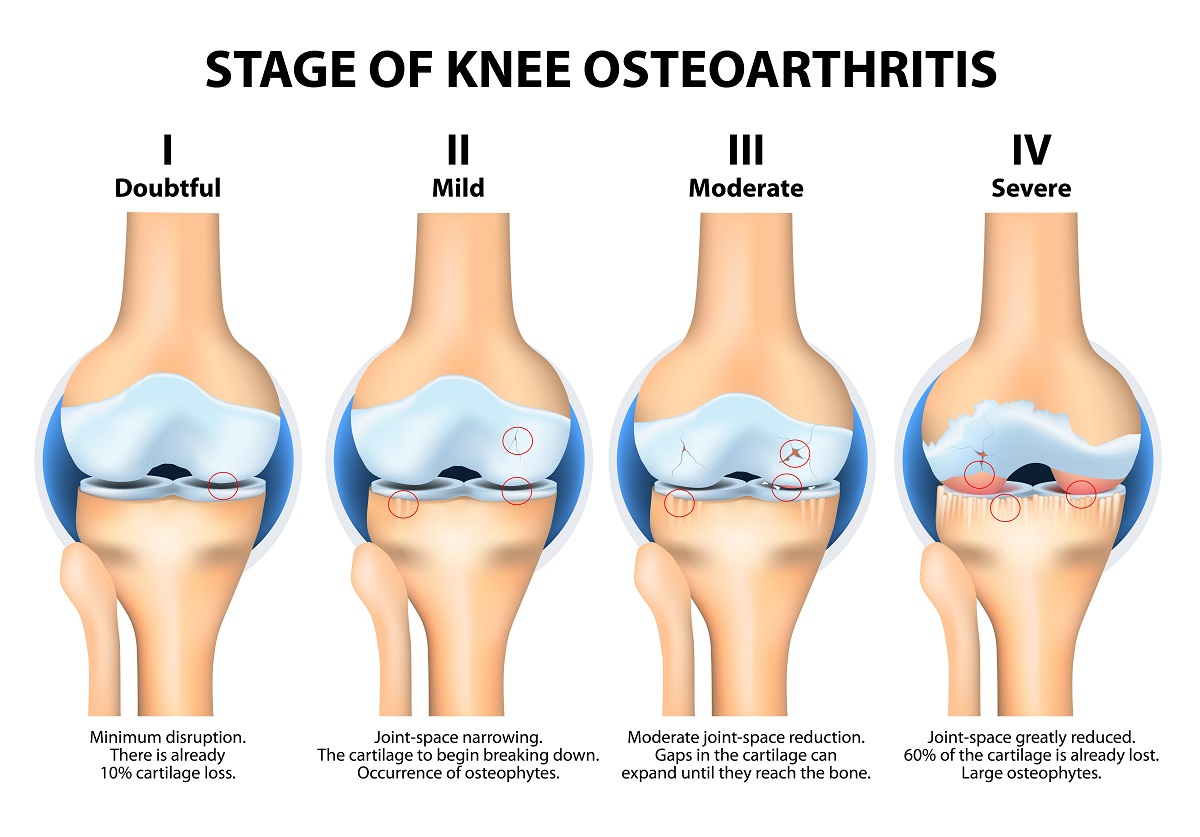
While osteoarthritis is often associated with aging, it can affect people of all ages, particularly those with prior joint injuries or genetic predispositions. The joints most commonly affected by osteoarthritis are the knees, hips, hands, and spine.
Treating osteoarthritis is a multifaceted approach that aims to alleviate pain, improve joint function, and slow the progression of the disease. This comprehensive guide will explore various treatment options, ranging from lifestyle modifications to medication, physical therapy, and surgical interventions.
Non-Pharmacological Treatments
- Weight Management Excess body weight puts additional stress on weight-bearing joints, exacerbating the symptoms of osteoarthritis. Achieving and maintaining a healthy weight through a balanced diet and regular exercise can significantly reduce joint pain and improve mobility.
- Exercise and Physical Activity While it may seem counterintuitive, regular exercise is crucial for managing osteoarthritis. Low-impact activities, such as walking, swimming, or cycling, can help strengthen the muscles surrounding the affected joints, improve flexibility, and reduce pain and stiffness. Exercise also promotes weight management and overall fitness.
- Physical Therapy A physical therapist can design a customized exercise program tailored to your specific needs and condition. They can also teach you proper techniques for daily activities, such as getting in and out of a car or climbing stairs, to reduce joint stress and improve functionality.
- Assistive Devices Using assistive devices, such as canes, walkers, or braces, can help redistribute weight and reduce the strain on affected joints. These devices can also improve stability and balance, reducing the risk of falls.
- Heat and Cold Therapy Applying heat or cold to the affected joints can help alleviate pain and reduce inflammation. Heat therapy, such as warm baths or heating pads, can improve blood flow and relax muscles, while cold therapy, like ice packs or cool compresses, can reduce swelling and numb pain.
Pharmacological Treatments
- Over-the-Counter (OTC) Medications For mild to moderate osteoarthritis pain, over-the-counter medications like acetaminophen (e.g., Tylenol) or non-steroidal anti-inflammatory drugs (NSAIDs) like ibuprofen (e.g., Advil or Motrin) can provide relief. However, it's essential to follow dosage instructions and consult with a healthcare provider, as prolonged use of NSAIDs can have side effects, such as stomach ulcers or kidney problems.
- Prescription Medications For more severe cases of osteoarthritis, your doctor may prescribe stronger pain medications or anti-inflammatory drugs. These may include:
- Opioid analgesics: These powerful painkillers, such as oxycodone or hydrocodone, are typically reserved for severe, chronic pain when other options have failed. They carry a risk of dependence and should be used with caution.
- Corticosteroids: Injections of corticosteroids into the affected joint can provide temporary relief from inflammation and pain.
- Disease-modifying anti-rheumatic drugs (DMARDs): While traditionally used for rheumatoid arthritis, some DMARDs like hydroxychloroquine may help slow the progression of osteoarthritis by reducing inflammation.
- Topical Treatments Topical creams, gels, or ointments containing NSAIDs or other pain-relieving agents can be applied directly to the affected joints. These can provide localized relief with potentially fewer side effects than oral medications.
Complementary and Alternative Therapies
- Acupuncture This ancient Chinese practice involves inserting thin needles into specific points on the body to promote healing and pain relief. Some studies suggest acupuncture may help reduce osteoarthritis pain and improve joint function, although more research is needed.
- Massage Therapy Therapeutic massage can help relax muscles, improve circulation, and reduce stress and tension in the affected joints. It may also release endorphins, which are natural painkillers produced by the body.
- Glucosamine and Chondroitin These dietary supplements, derived from shellfish and cartilage, respectively, are commonly used to treat osteoarthritis. While research on their effectiveness is mixed, some studies suggest they may provide modest pain relief and potentially slow cartilage breakdown.
- Herbal Remedies Various herbal supplements, such as turmeric, ginger, and boswellia, are believed to have anti-inflammatory properties that may help alleviate osteoarthritis symptoms. However, their effectiveness and safety have not been conclusively established, and they should be used with caution, especially in combination with other medications.
Surgical Interventions
- Joint Replacement Surgery For severe cases of osteoarthritis, where other treatments have failed to provide adequate relief, joint replacement surgery may be recommended. This procedure involves removing the damaged joint and replacing it with an artificial joint, typically made of metal and plastic.
Joint replacements are most commonly performed on the hips and knees but can also be done on other joints, such as shoulders or ankles. Recovery from joint replacement surgery can be lengthy, but it can significantly improve mobility and reduce pain for many individuals.
- Osteotomy In some cases, an osteotomy may be recommended, especially for younger patients with osteoarthritis. This procedure involves cutting and realigning the bone to redistribute weight and pressure on the joint, potentially delaying the need for a joint replacement.
- Joint Fusion For small joints, such as those in the fingers or toes, a joint fusion may be an option. This surgery involves fusing the bones together, eliminating the joint and preventing further movement and pain.
- Arthroscopic Surgery Arthroscopic surgery is a minimally invasive procedure that can be used to remove loose cartilage or bone fragments from the joint, as well as to smooth out rough surfaces or repair torn cartilage. It can provide pain relief and improve joint function, but it is typically only a temporary solution for osteoarthritis.
Comprehensive Care for Osteoarthritis Effectively managing osteoarthritis often requires a combination of different treatments tailored to the individual's needs and the severity of their condition. A comprehensive approach that incorporates lifestyle modifications, medications, physical therapy, and, in some cases, surgical interventions can help alleviate pain, improve joint function, and slow the progression of the disease.
It's crucial to work closely with a healthcare team, including your primary care physician, rheumatologist, physical therapist, and other specialists, to develop a personalized treatment plan. Regular monitoring and adjustments may be necessary as the condition progresses or as new treatments become available.
While osteoarthritis is a chronic and progressive condition, with proper management and care, many individuals can maintain an active and fulfilling lifestyle, reducing the impact of the disease on their daily lives.