If you or a member of your family is older than 50 and complaining of blurry vision, the most likely cause is a cataract. The likelihood of developing a cataract rises with age. However, what precisely is a cataract?
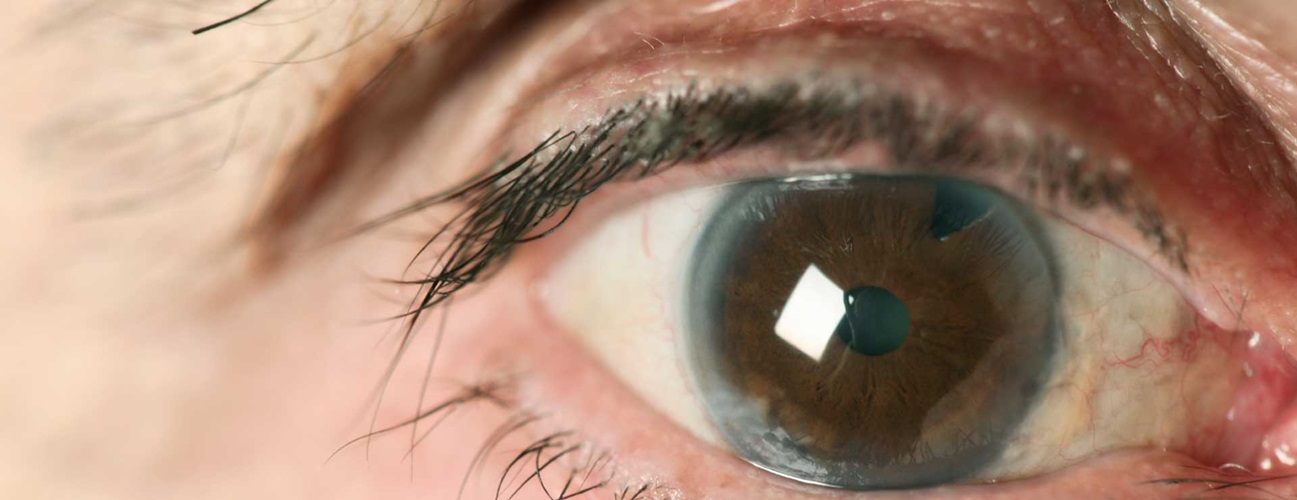
The development of a substantial cloud in the lens of the eye results in the condition known as a cataract. If left untreated, it is prevalent in the elderly and can result in severe vision loss, including blindness. Its creation is caused by a variety of factors, including eye traumas in addition to age. To make sure that the vision is unaffected, a surgical operation must be performed.
What is the main difference between glaucoma and cataracts?
The primary difference between these two eye conditions is that they have different causes.
- Glaucoma is caused by a buildup of fluid inside your eye.
- Cataracts are caused by an accumulation of broken-down proteins in your eye.
The Reasons For Cataract Formation
Cataracts don't form for any one specific reason. Although it is frequently seen in people over 50, cataract formation can happen for a variety of causes, including excessive oxidant production, smoking, ultraviolet radiation exposure, extended use of steroids and other medications, diabetes, eye damage, and radiation therapy.
What symptoms can be used to determine the development of cataracts?
The most frequent justification for getting checked out is blurry eyesight. A cataract's main symptom is blurry vision. It is followed by symptoms such as difficulty seeing at night, faded colors, increased sensitivity to glares of light, the formation of a halo around a light, double vision, and a frequent need to change prescription glasses.
Does health insurance cover cataract surgery?
The treatment of cataracts is really covered by health insurance companies. However, insurers impose a waiting time before such policy coverage is applicable for cataract treatment, just as the normal policy terms in health insurance define one. Normally, this period lasts for 24 months; however, the terms of the insurance policy may change this.
Why is it crucial to apply for coverage under health insurance for cataract surgery?
Even a little medical procedure can drain your cash account due to the escalating expense of healthcare. A 2017 evaluation of studies by the National Institutes of Health concluded that there is no natural treatment for cataracts but that surgery is the only way to remove them. Furthermore, phacoemulsification, a traditional kind of treatment, has a starting price of 40,000 for a cataract. The current bladeless procedures range in price from 85,000 to 1.20 lakhs. It might not always be able to afford such expensive treatment costs; thus, best health insurance policy can act as a financial safety net.
Why is having cataract surgery a necessity?
It is advised to get cataract surgery since its benefits in the following ways:
Restores Clarity Of Vision
Any blurriness in your vision can be fixed through cataract surgery. As a result of medical science's advancements, treatments now only last an hour or less, necessitating no hospital hospitalization. The procedure is categorized as a daycare treatment.
Avoids Total Blindness
A cataract operation helps to stop the loss of your vision, preventing a whole or even partial loss of vision.
Improves Quality Of Life
Since vision is one of the most important sensory signals, repairing a cataract aids in the quality of life restoration.
These are a few of the various things to be aware of about cataract surgery and health insurance coverage. Cataract surgery is covered by policies like individual and family health insurance, senior citizen policies, and the Arogya Sanjeevani policy. For the best financial security, choose a comprehensive plan with a sufficient sum covered.
If you have cataracts, having health insurance that covers the condition can help you pay for your care. Therefore, be sure to buy a health insurance plan when you're young in order to quickly go over the waiting period and receive policy benefits as soon as the need arises.