The rising cases of chronic obstructive pulmonary diseases (COPDs), diabetes, cancer, and cardiovascular diseases (CVDs) have amplified the adoption of minimally invasive blood-drawing devices such as lancets. According to the World Health Organization (WHO), currently nearly 235 million people are suffering from asthma and around 3 million individuals die due to COPDs each year. The organization also states that cancer kills around 9.6 million people and heart diseases claim 17.9 million human lives each year. Medical professionals use lancets to diagnose such diseases at their early stages to reduce the mortality rate.
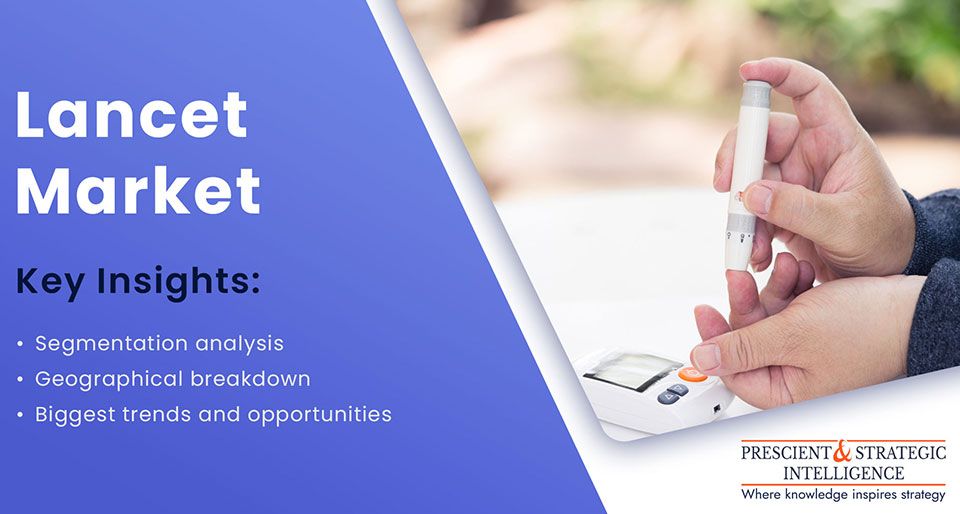
Additionally, the escalating adoption of such medical devices in homecare settings will fuel the lancet market at a CAGR of 9.5% during the forecast period (2020–2030). The market generated $830.3 million revenue in 2019. Lancets made for homecare settings are easier to utilize than those applied in hospitals and clinics. Owing to their easy availability and usage, the devices are gaining wide popularity among the geriatric population, especially among diabetic patients.
The type segment of the lancet market is bifurcated into safety and standard. Under this segment, the safety category held larger market share in 2019, as safety lancets are meant for single use that reduces the risk of contracting an infection. These lancets are created to retract automatically after pricking the skin, thereby, preventing injuries and minimizing the risk of accidental pricks. These instruments are used to prick the capillary without using a lancing device. Owing to such properties, the category will demonstrate higher growth in the forecast period.
Whereas, the Asia-Pacific lancet market will exhibit the fastest growth during the forecast period. This can be ascribed to the improving healthcare infrastructure, booming elderly population, magnifying purchasing power, rising prevalence of chronic ailments, and increasing number of initiatives by public and private organizations to spread awareness regarding diabetes. The United Nations Economic and Social Commission for Asia and the Pacific (UNESCAP) propounds that by 2050, one in four people in the region will be over 60 years old. Further, the WHO states that around 6 million people in Southeast Asia have diabetes.
Thus, the increasing preference for minimally invasive procedures and the booming number of diabetic patients will propel the usage of lancets in the coming years.