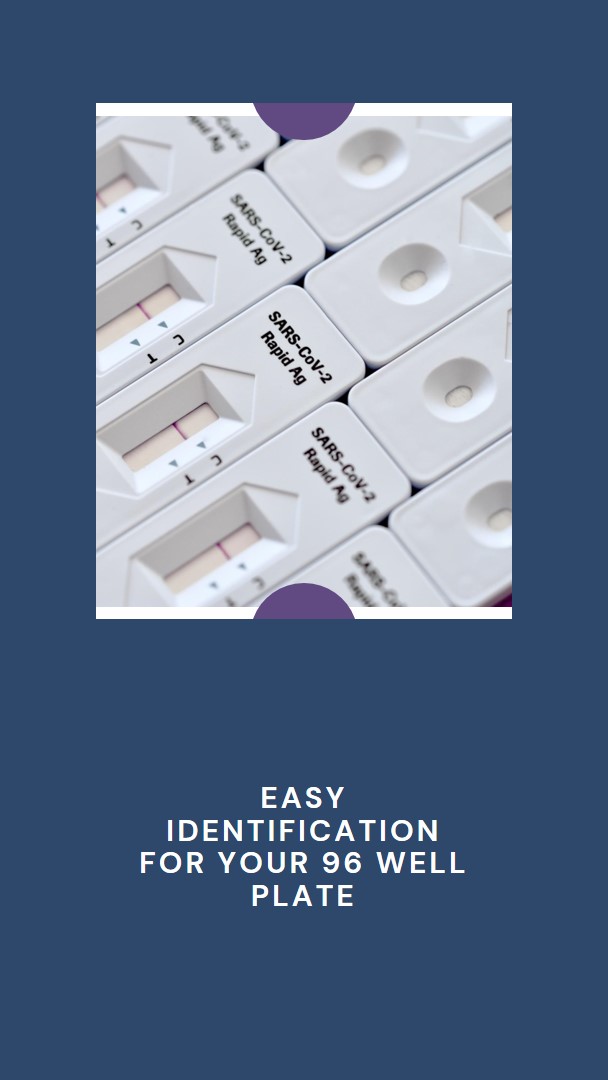
Labeling a 96 well plate template for easy identification is essential for efficient laboratory work, ensuring that you can track samples accurately and prevent costly mix-ups. In this comprehensive guide, we will walk you through the step-by-step process of labeling your 96 well plate template effectively. Whether you're a seasoned researcher or just starting in the field, these techniques will streamline your workflow and help you avoid errors.
Understanding the Importance of Well Plate Labeling
Before diving into the labeling process, it's crucial to understand why proper labeling is essential. A well-labeled plate:
- Prevents Sample Confusion: Lab work often involves multiple samples and reagents. A well-labeled plate ensures you never mix them up.
- Facilitates Data Recording: Accurate recording of data is critical. Proper labels make it easy to match results to the correct well.
- Saves Time and Resources: With well-labeled plates, you spend less time deciphering your own notes and more time on your research.
Choosing the Right Labeling Materials
Selecting the right materials is the first step toward effective well plate labeling. Consider using:
- Permanent Marker: A fine-tip permanent marker is the most common choice. Ensure it's resistant to ethanol, acetone, and other common lab solvents.
- Labeling Tape: Specialized labeling tape designed for lab use offers durability and legibility. It adheres well to plates and can be easily removed when necessary.
- Label Printing: For a more professional look, consider using a label printer. These devices can generate clear, adhesive labels with various fonts and sizes.
Proper Label Placement
Now that you have your labeling materials ready, it's time to consider where to place your labels:
- Top Labeling: Many researchers prefer labeling the top side of the plate, as it's less likely to come into contact with samples or liquids. Ensure the label doesn't obscure any critical information on the plate itself.
- Side Labeling: If top labeling is not suitable for your workflow, you can label the sides of the plate, where it's less likely to interfere with samples.
Using Alphanumeric and Color Codes
To enhance identification further, consider using alphanumeric codes and color-coding:
- Alphanumeric Codes: Assign each well a unique combination of letters and numbers. This system allows for precise identification, especially when dealing with large batches of plates.
- Color Codes: Utilize colored labels or markers to group wells with similar samples or treatments. This visual cue can expedite the identification process.
A Sportzpari Connection:
At sportzpari.com, we understand the importance of precision and accuracy in various fields, including laboratory work. Just as athletes strive for excellence, scientists and researchers aim for perfection in their experiments. Properly labeling your 96 well plate template is akin to athletes fine-tuning their skills to achieve success. Just as we advocate for the best sports experiences on our platform, we encourage you to embrace the best practices in the laboratory, starting with effective well plate labeling.
In conclusion, labeling your 96 well plate template for easy identification is a fundamental aspect of laboratory work. By choosing the right materials, placing labels strategically, and using alphanumeric and color codes, you can streamline your workflow and minimize errors. Just as sportzpari.com promotes excellence in sports, we encourage you to excel in your scientific endeavors by mastering the art of well plate labeling.