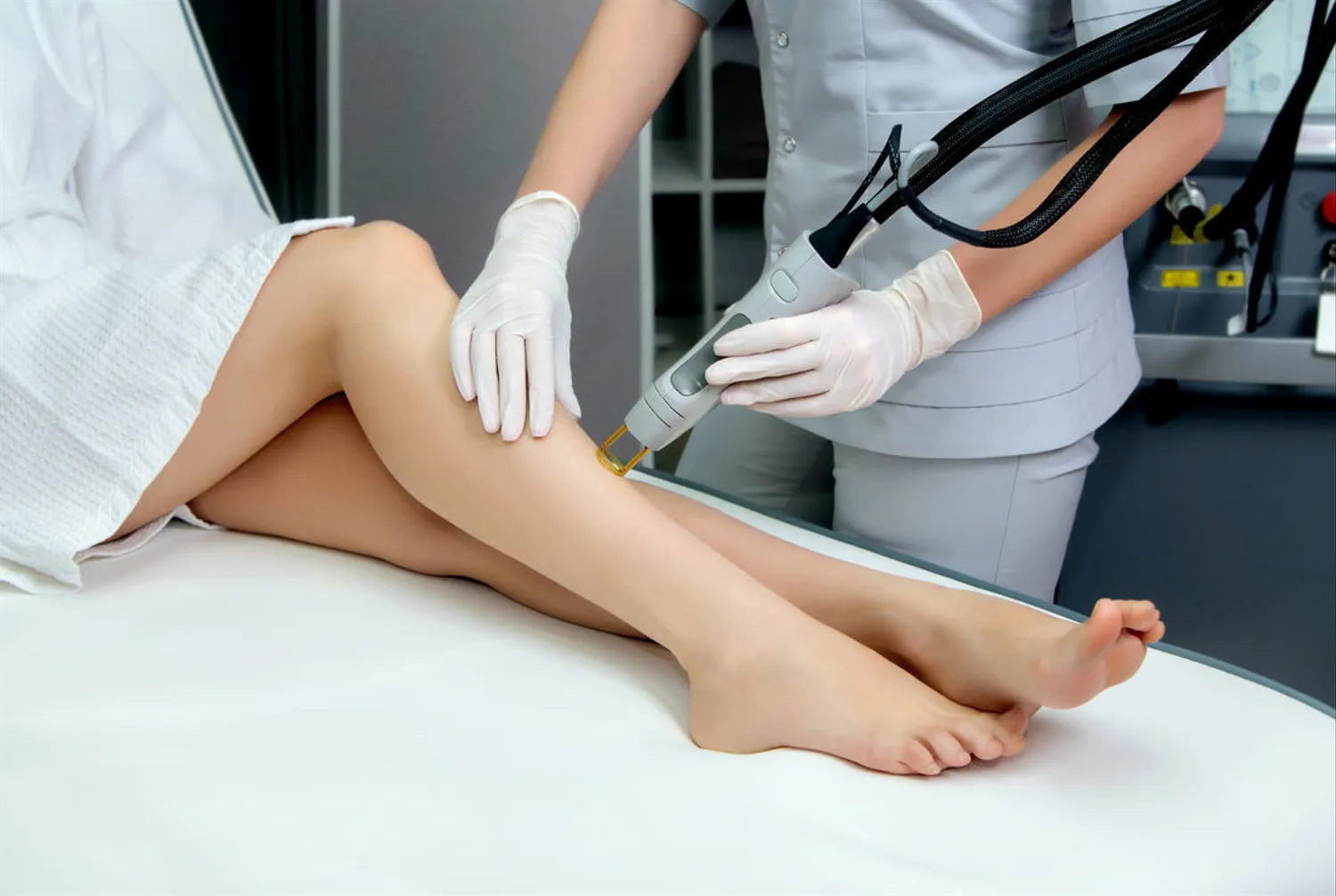
In the world of modern grooming and aesthetics,Electrolysis Laser Hair Removal has gained immense popularity for its promise of long-term hair reduction. However, despite its effectiveness, it isn’t suitable for everyone at all times. Knowing when to avoid this treatment is just as important as understanding its benefits. Making the wrong choice can lead to unwanted side effects, ineffective results, or unnecessary discomfort. This guide explores the key situations where it’s best to pause, reconsider, or completely avoid this procedure.
Understanding the Basics Before You Decide
Before diving into when to avoid treatment, it’s essential to recognize that electrolysis and laser hair removal are two distinct technologies often discussed together. Both aim to reduce unwanted hair, but they work differently and interact with the skin in unique ways. Because of this, certain conditions can make these procedures less effective—or even risky.
Skin Conditions That Require Caution
Active Skin Infections or Irritations
If your skin is currently dealing with infections such as bacterial, fungal, or viral conditions, it’s wise to postpone treatment. Applying heat or electrical currents to compromised skin can worsen inflammation and spread infection.
Severe Acne or Open Wounds
Treating areas with active acne breakouts or open cuts can lead to scarring or delayed healing. The skin needs to be intact and relatively calm for safe and effective results.
Eczema and Psoriasis Flare-Ups
Chronic skin conditions like eczema and psoriasis can become aggravated during hair removal procedures. If you’re experiencing a flare-up, it’s best to wait until your skin stabilizes.
Medical Conditions That May Be a Red Flag
Hormonal Imbalances
Conditions like polycystic ovary syndrome (PCOS) can cause excessive hair growth. While hair removal treatments can help manage symptoms, results may be temporary or inconsistent if the underlying hormonal issue isn’t addressed.
Diabetes with Poor Healing
People with uncontrolled diabetes often have slower healing processes. This increases the risk of infection and skin complications after treatment.
History of Keloid Scarring
If your skin tends to form raised scars, you should approach these treatments cautiously. Electrolysis, in particular, involves repeated skin penetration, which may trigger keloid formation.
Medications That Can Interfere with Treatment
Photosensitizing Drugs
Certain medications, such as antibiotics or acne treatments, can make your skin more sensitive to light. Laser-based procedures may cause burns or pigmentation issues in such cases.
Blood Thinners
If you’re taking medications that affect blood clotting, you may experience increased bruising or prolonged healing after treatment.
Retinoids and Skin Treatments
Topical or oral retinoids can thin the skin, making it more vulnerable to irritation. It’s usually recommended to discontinue them for a period before undergoing treatment.
Situations Where Timing Matters
During Pregnancy
While there’s limited evidence of harm, many professionals advise avoiding these treatments during pregnancy as a precaution. Hormonal changes can also make the skin more sensitive and unpredictable.
Right After Sun Exposure
Freshly tanned or sunburned skin is more prone to damage during hair removal procedures. This increases the risk of burns, hyperpigmentation, or irritation.
Immediately After Chemical Peels or Treatments
If you’ve recently had a chemical peel, microdermabrasion, or similar procedure, your skin needs time to recover before undergoing another form of treatment.
Skin Tone and Hair Type Considerations
Very Light or Gray Hair
Laser treatments rely on pigment to target hair follicles. If your hair lacks melanin, the treatment may not be effective, making electrolysis a better—but still cautious—option.
Extremely Dark or Sensitive Skin
Certain laser technologies may not be suitable for darker skin tones due to the risk of pigmentation changes. Choosing the wrong method can lead to uneven skin tone or burns.
Lifestyle Factors That Can Impact Results
Frequent Sun Exposure
If your routine involves constant sun exposure, such as outdoor work or travel, maintaining the required skin protection can be challenging. This increases the likelihood of side effects.
Inconsistent Treatment Schedule
Hair removal treatments require multiple sessions for optimal results. If you’re unable to commit to a consistent schedule, the effectiveness may be reduced.
Poor Aftercare Habits
Proper aftercare is crucial. Ignoring guidelines—like avoiding heat, friction, or certain skincare products—can lead to irritation or complications.
Psychological and Expectation Factors
Unrealistic Expectations
No hair removal method guarantees instant or completely permanent results. Expecting perfection after one session can lead to disappointment.
Low Pain Tolerance
While discomfort levels vary, both electrolysis and laser treatments can cause mild to moderate pain. If you’re highly sensitive, the experience may be overwhelming.
When You Should Consider Alternatives
If you find yourself in any of the situations above, it might be better to explore temporary hair removal options such as shaving, waxing, or depilatory creams. These methods may not offer long-term results, but they are safer under certain conditions.
Additionally, understanding your skin’s readiness and giving it proper time to recover can significantly improve future results when you do proceed with treatment.
Final Thoughts
Electrolysis and laser-based hair removal techniques offer impressive results, but they are not universally suitable at all times. Understanding when to avoid these treatments can save you from unnecessary risks and ensure better outcomes in the future. Your skin’s condition, medical history, lifestyle, and expectations all play a crucial role in determining whether now is the right time.
Taking a cautious and informed approach allows you to maximize benefits while minimizing potential complications. When in doubt, waiting for the right moment is always the smarter choice.