Childbirth is a unique journey, and every pregnancy comes with its own set of circumstances. While many women plan for a vaginal delivery, there are situations where a Cesarean Section in Dubai or elsewhere becomes the safest option for both mother and baby. A cesarean section, commonly called a C-section, is a surgical procedure used to deliver a baby through incisions made in the abdomen and uterus. Understanding why a cesarean may be recommended can help expectant parents feel more informed and prepared. In this article, we explore the top reasons why a cesarean section may be needed and how it can contribute to a safer birth experience.
What Is a Cesarean Section?
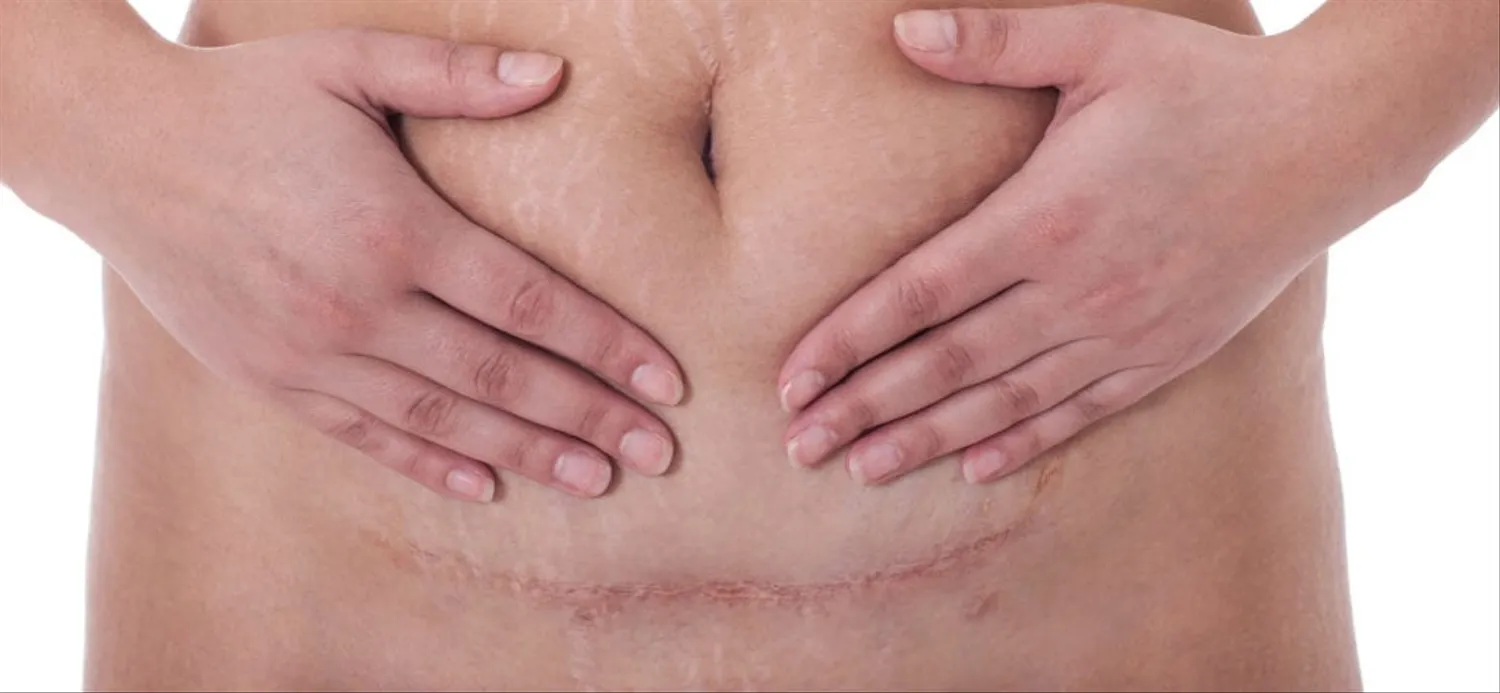
A cesarean section is a surgical method of childbirth performed when a vaginal delivery may pose risks to the mother, baby, or both. While some C-sections are planned in advance, others become necessary during labor due to unexpected complications.
The decision to perform a cesarean section is always based on medical considerations aimed at ensuring the best possible outcome for mother and child.
Top Reasons Why a Cesarean Section May Be Needed
Fetal Distress
One of the most common reasons for an emergency cesarean section is fetal distress. This occurs when the baby shows signs of not tolerating labor well.
Signs of fetal distress may include:
- Abnormal heart rate patterns
- Reduced oxygen supply
- Changes in fetal movement
When healthcare providers determine that the baby may be at risk, a cesarean section can provide a quicker and safer delivery.
Prolonged or Stalled Labor
Labor does not always progress as expected. In some cases, contractions may not be strong enough, or the cervix may stop dilating despite hours of labor.
A cesarean section may be recommended when:
- Labor fails to progress
- The cervix stops opening
- The baby does not move down the birth canal
Prolonged labor can increase the risk of complications, making surgical delivery the safest option.
Breech Presentation
Ideally, babies are positioned head-down before birth. However, some babies remain in a breech position, meaning their feet or buttocks are positioned to come out first.
Types of breech presentations include:
- Frank breech
- Complete breech
- Footling breech
Because breech deliveries can increase risks during vaginal birth, a cesarean section is often advised.
Multiple Pregnancies
Women carrying twins, triplets, or more may require a cesarean section depending on the babies' positions and overall pregnancy conditions.
A cesarean may be recommended when:
- The first baby is not head-down
- Multiple babies share complications
- Labor begins prematurely
While some twin pregnancies can result in vaginal deliveries, many multiple births are delivered surgically to reduce potential risks.
Maternal Health Conditions That May Require a Cesarean
High Blood Pressure Disorders
Conditions such as pregnancy-induced hypertension or preeclampsia can affect the health of both mother and baby.
When blood pressure becomes dangerously high, a cesarean section may be necessary to prevent serious complications and ensure a timely delivery.
Diabetes During Pregnancy
Gestational diabetes or pre-existing diabetes can lead to larger babies and increase the chances of delivery complications.
A cesarean section may be considered when:
- The baby is significantly larger than average
- Labor complications are anticipated
- Additional pregnancy risks are present
Careful monitoring throughout pregnancy helps determine the safest delivery method.
Certain Heart or Medical Conditions
Some women have underlying medical conditions that make labor physically challenging.
Examples include:
- Serious heart conditions
- Certain neurological disorders
- Severe respiratory illnesses
In these cases, a planned cesarean section may reduce strain on the mother's body during childbirth.
Placental Complications
Placenta Previa
Placenta previa occurs when the placenta partially or completely covers the cervix.
This condition can cause severe bleeding during labor and delivery, making vaginal birth unsafe. A cesarean section is typically the recommended method of delivery for women with placenta previa.
Placental Abruption
Placental abruption occurs when the placenta separates from the uterine wall before delivery.
Potential risks include:
- Heavy bleeding
- Reduced oxygen to the baby
- Premature birth
An emergency cesarean section is often necessary to protect both mother and child.
Previous Cesarean Section
Prior Uterine Surgery
Women who have had previous cesarean deliveries or other uterine surgeries may be advised to have another cesarean section.
Factors influencing this decision include:
- Type of previous uterine incision
- Number of prior cesareans
- Overall pregnancy health
While some women may be candidates for vaginal birth after cesarean (VBAC), others may benefit more from a repeat surgical delivery.
Umbilical Cord Problems
Umbilical Cord Prolapse
Umbilical cord prolapse is a rare but serious complication where the umbilical cord slips through the cervix before the baby.
This situation can reduce oxygen flow to the baby and requires immediate medical attention. A cesarean section is usually performed urgently to ensure the baby's safety.
Cord Compression
In some cases, the umbilical cord becomes compressed during labor, affecting blood and oxygen flow.
When monitoring reveals significant cord compression, a cesarean section may be the safest course of action.
Large Baby Size
Macrosomia
Fetal macrosomia refers to a baby who is significantly larger than average.
A large baby can increase the risk of:
- Difficult labor
- Birth injuries
- Shoulder dystocia
When these risks are substantial, healthcare providers may recommend a cesarean section to facilitate a safer delivery.
Infections That May Affect Delivery
Certain infections present during pregnancy can influence the delivery method.
Examples include:
- Active genital herpes infection
- Certain severe maternal infections
A cesarean section may help reduce the risk of transmitting infections to the baby during birth.
Emergency Situations During Labor
Even after a healthy pregnancy, unexpected complications can arise during labor.
Emergency cesarean sections may be needed for:
- Sudden fetal distress
- Excessive maternal bleeding
- Uterine rupture
- Failed assisted delivery attempts
These situations require quick medical intervention to protect the health of both mother and baby.
Preparing for the Possibility of a Cesarean Section
While many pregnancies end with vaginal births, understanding the reasons behind cesarean deliveries can help reduce anxiety and uncertainty.
Helpful preparation tips include:
- Learning about both delivery methods
- Discussing potential risks with healthcare providers
- Creating a flexible birth plan
- Understanding the recovery process
Being informed allows parents to make confident decisions if circumstances change during labor.
Conclusion
A cesarean section is often performed when a vaginal birth may not be the safest option. Factors such as fetal distress, prolonged labor, breech positioning, multiple pregnancies, maternal health conditions, placental complications, and emergency situations can all make surgical delivery necessary. Understanding these common reasons helps expectant parents feel more prepared and reassured throughout the childbirth journey. Ultimately, the goal of any delivery method is to ensure the health, safety, and well-being of both mother and baby.