Actinic keratosis is a common skin condition that develops after years of exposure to ultraviolet (UV) radiation, often appearing as rough, scaly, or discoloured patches on sun-exposed areas. Seeking Actinic Keratosis Treatment in Dubai can help address existing lesions while supporting a healthier approach to long-term skin care. Because some actinic keratoses may develop into squamous cell carcinoma, recognising changes early and getting professional advice can be an important part of protecting your skin.
Understanding Actinic Keratosis and Why It Develops
Actinic keratosis typically occurs when skin cells become damaged by repeated UV exposure. Although the condition is more common in people with fair skin and those who spend considerable time outdoors, anyone with regular sun exposure can develop these lesions. They may appear on the face, scalp, ears, neck, forearms, and hands, particularly in areas that receive frequent sunlight.
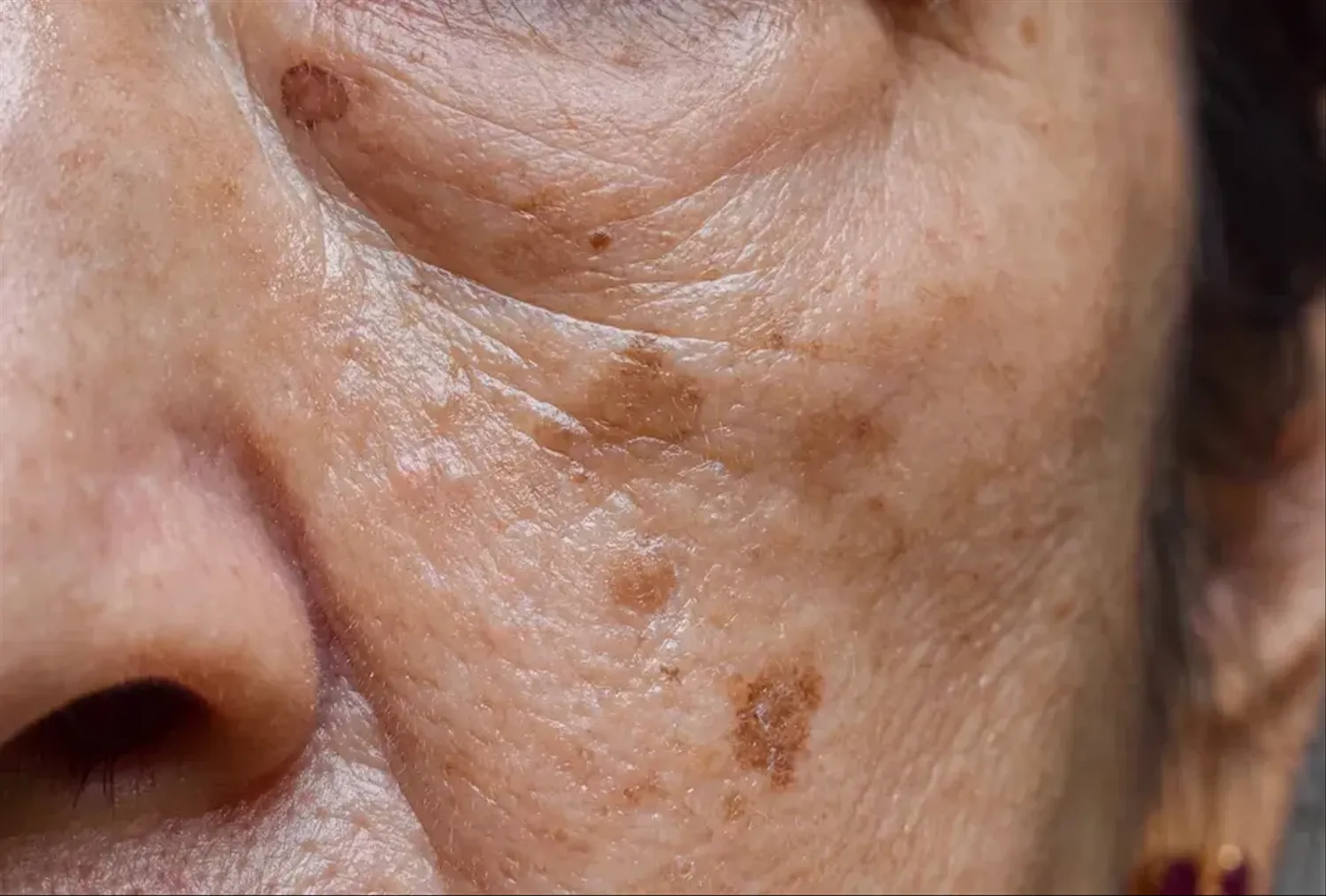
The appearance of actinic keratosis can vary. Some lesions feel rough or gritty before they become visibly noticeable, while others may look like dry, scaly spots that range from pink and red to brown or skin-coloured. In some cases, the affected area may become thicker over time. Therefore, paying attention to changes in texture, colour, size, or sensation can help you recognise when a skin assessment may be appropriate.
Why Early Attention Matters
Actinic keratosis is often considered a precancerous skin change, meaning that certain lesions have the potential to progress into squamous cell carcinoma. Not every lesion will become cancerous, but leaving suspicious or changing areas unchecked may allow progression to go unnoticed. For this reason, early evaluation is particularly valuable when a patch becomes persistent, painful, bleeds, develops a crust, or changes in appearance.
Moreover, having one actinic keratosis may indicate that the surrounding skin has also experienced significant cumulative sun damage. As a result, treatment is not simply about improving the appearance of one rough patch. It can also be an opportunity to assess the overall condition of your skin and establish better habits for ongoing protection.
Exploring Treatment Options for Damaged Skin
The most appropriate approach depends on factors such as the number of lesions, their location, thickness, and the condition of the surrounding skin. During an assessment, a qualified skin specialist can determine whether a lesion is consistent with actinic keratosis and recommend an appropriate treatment plan.
Depending on the individual situation, options may include:
- Cryotherapy, which uses controlled freezing to treat individual lesions.
- Prescription topical medications designed to target abnormal sun-damaged cells.
- Photodynamic therapy, which uses a light-sensitive medication followed by a specific light source.
- Curettage or other procedures for selected thicker or persistent lesions.
- Field treatments when multiple areas of sun-damaged skin require attention.
Actinic Keratosis Treatment should always be selected according to the individual rather than based solely on the appearance of a lesion. In some cases, more than one approach may be considered, particularly when a person has both visible lesions and broader areas of sun damage. A professional evaluation can help identify the most suitable strategy while taking the location and extent of the condition into account.
What to Expect During Your Skin Care Journey
Once a treatment plan has been established, following aftercare instructions carefully can make the recovery process more manageable. Depending on the procedure used, you may experience temporary redness, sensitivity, swelling, peeling, crusting, or mild discomfort. These effects can vary from one treatment to another and may also depend on the size and location of the treated area.
It is important to avoid picking, scratching, or unnecessarily irritating the skin while it heals. Gentle cleansing and appropriate moisturisation may be recommended, while sun exposure should be limited as much as possible. Your skin specialist may also provide specific instructions regarding products to avoid or when to resume your usual skincare routine.
Furthermore, follow-up appointments can be valuable. Some people may develop additional actinic keratoses over time because the underlying sun damage remains. Regular skin checks can help identify new or changing lesions before they become more difficult to manage.
Protecting Your Skin from Further Sun Damage
Treatment can address existing actinic keratoses, but daily sun protection remains essential. UV exposure contributes significantly to cumulative skin damage, so prevention should become part of your everyday routine rather than something reserved for holidays or particularly sunny days.
Consider these practical habits:
- Apply a broad-spectrum sunscreen regularly to exposed areas.
- Reapply sunscreen as directed, particularly after sweating or swimming.
- Wear protective clothing, a wide-brimmed hat, and UV-protective sunglasses when outdoors.
- Seek shade during periods of intense sunlight.
- Avoid intentional tanning and minimise exposure to artificial tanning sources.
- Check your skin regularly for new or changing patches.
In Dubai's sunny climate, maintaining consistent protection can be especially important. Even when the weather feels comfortable, UV radiation can contribute to cumulative skin damage. Therefore, making sunscreen and protective clothing part of your daily routine can support healthier skin over the long term.
Recognising Changes That Need Attention
Knowing what to look for can make skin monitoring more effective. Actinic keratoses can be subtle, and some may initially resemble ordinary dryness or irritation. However, a lesion that persists despite basic skincare deserves attention, particularly if it becomes thicker or changes noticeably.
You should seek professional assessment if you notice a spot that:
- Continues to grow or becomes increasingly thick.
- Bleeds without an obvious cause.
- Develops persistent tenderness or pain.
- Forms a recurring crust or ulcer.
- Changes significantly in colour, shape, or texture.
- Does not heal as expected.
These signs do not automatically mean that a lesion is cancerous. Nevertheless, they should not be ignored, as timely evaluation allows a specialist to determine what is happening and whether further investigation or treatment is necessary.
Make Skin Health Part of Your Routine
Caring for skin affected by sun damage involves more than treating visible lesions. It requires a combination of professional assessment, appropriate treatment, sun protection, and ongoing awareness. By taking action when you notice unusual changes, you can avoid delaying care and become more proactive about your skin health.
At the same time, remember that every person's skin is different. The right treatment approach depends on the individual condition of the lesions and the surrounding skin. A personalised assessment can help ensure that your care plan is suited to your needs rather than relying on a one-size-fits-all solution.
Taking the next step can be as simple as arranging a professional skin evaluation and discussing your concerns openly. With appropriate guidance and consistent protection, you can take a more informed approach to managing sun-damaged skin and maintaining its health. Dynamic Clinic can be considered when exploring professional support for actinic keratosis and developing a personalised plan for healthier-looking skin.