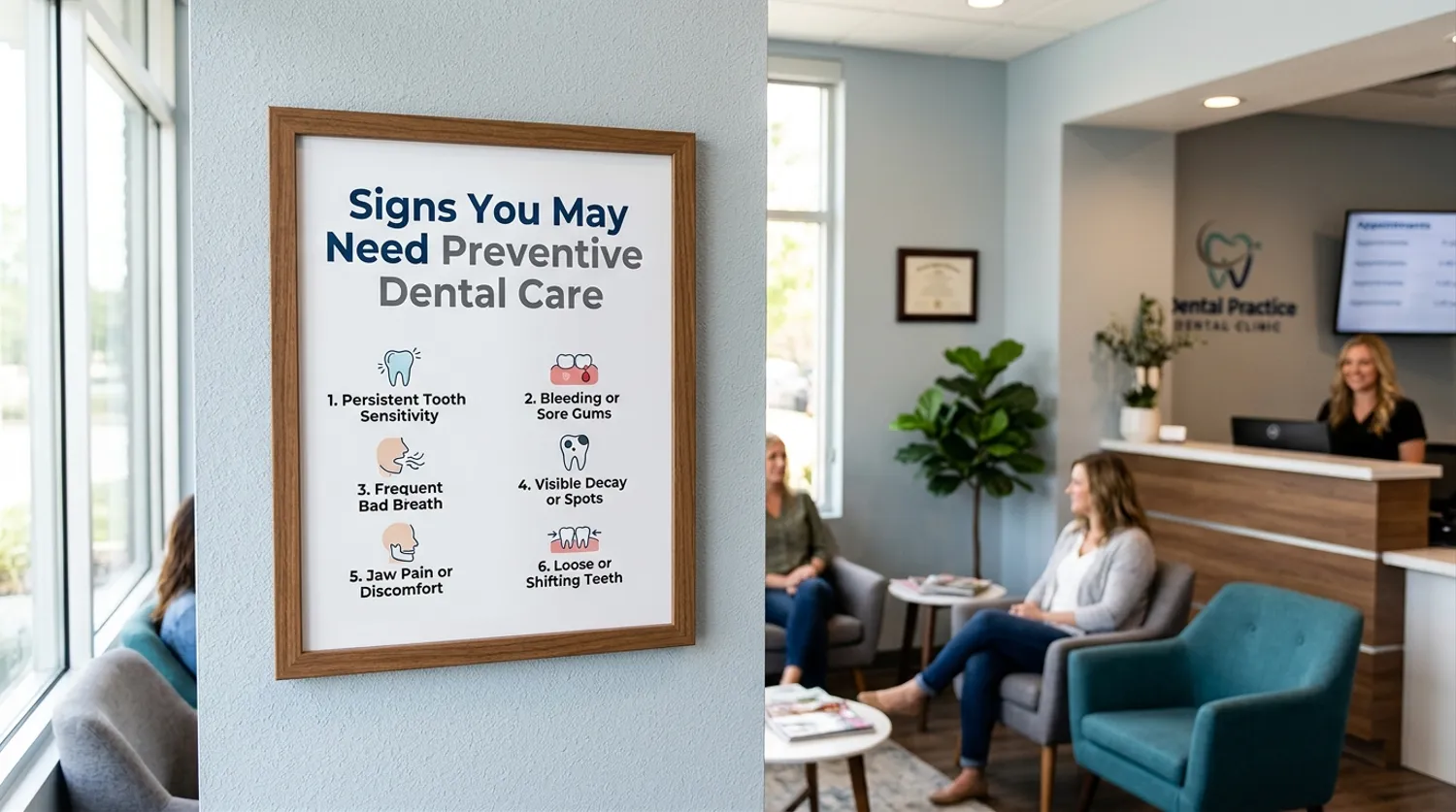
Many people believe they only need to visit a dentist when they feel severe pain or notice a major dental problem. However, most oral health issues develop slowly and silently over time. Cavities, gum disease, plaque buildup, and enamel damage often begin with mild symptoms that are easy to ignore.
This is why preventive dental care is so important.
Preventive dentistry focuses on identifying and treating dental problems early before they become painful, expensive, or difficult to manage. Regular checkups, professional cleaning, and timely dental care can help protect your teeth and gums for years.
If you are noticing small oral health changes or recurring dental discomfort, it may be the right time to seek help from the best dentists in Faisalabad before the issue becomes more serious.
According to the Centers for Disease Control and Prevention (CDC), untreated oral health conditions can lead to pain, infection, and long-term dental complications if ignored.
What Is Preventive Dental Care?
Preventive dental care includes treatments and habits designed to stop dental problems before they worsen.
This may include:
- Regular dental checkups
- Scaling and polishing
- Fluoride treatment
- Oral hygiene guidance
- Cavity detection
- Gum disease prevention
The goal is simple:
protect your smile before damage occurs
The American Dental Association (ADA)explains that preventive dentistry helps reduce the need for major dental procedures later in life.
Why Early Dental Care Matters
Many oral health conditions start with minor symptoms.
Without treatment, these issues can eventually lead to:
- Severe tooth decay
- Gum infections
- Root canal treatment
- Tooth extraction
- Bad breath
- Tooth loss
Preventive care helps detect these problems early when treatment is easier, faster, and more affordable.
Common Signs You May Need Preventive Dental Care
1. Bleeding Gums While Brushing
Healthy gums should not bleed regularly.
If you notice bleeding while brushing or flossing, it may indicate:
- Gum inflammation
- Plaque buildup
- Early gum disease
Ignoring bleeding gums can increase the risk of more serious periodontal problems later.
2. Persistent Bad Breath
Occasional bad breath is common, but constant bad breath may signal:
- Plaque buildup
- Gum infection
- Cavities
- Poor oral hygiene
Professional cleaning can help remove bacteria and tartar causing unpleasant odors.
3. Tooth Sensitivity
Do you feel discomfort while eating:
- Hot foods?
- Cold drinks?
- Sweets?
Tooth sensitivity may result from:
- Enamel erosion
- Cavities
- Exposed roots
- Gum recession
The World Health Organization (WHO)notes that untreated oral diseases can significantly affect comfort, eating habits, and quality of life.
4. Yellow Plaque or Tartar Buildup
Even people who brush daily may develop tartar over time.
Tartar cannot be removed through brushing alone and often requires professional scaling.
Visible plaque buildup increases the risk of:
- Cavities
- Gum disease
- Bad breath
Regular preventive cleanings help maintain healthier teeth and gums.
5. Frequent Cavities
If you regularly develop cavities, it may indicate:
- Poor oral hygiene habits
- High sugar intake
- Weak enamel
- Missed preventive care
Routine dental visits can help identify the underlying cause and reduce future decay.
6. Swollen or Red Gums
Healthy gums should appear firm and pink.
Swollen or red gums may indicate:
- Gingivitis
- Infection
- Irritation from plaque buildup
Early gum treatment prevents long-term damage to the supporting structures of teeth.
7. Tooth Pain or Mild Discomfort
Even mild discomfort should never be ignored.
Pain may indicate:
- Developing cavities
- Enamel damage
- Infections
- Cracked teeth
Preventive diagnosis often helps avoid more invasive procedures later.
8. Food Frequently Getting Stuck Between Teeth
This may suggest:
- Tooth gaps
- Cavities
- Worn fillings
- Gum recession
Professional dental evaluation can help identify and correct the issue early.
9. It Has Been More Than 6 Months Since Your Last Checkup
One of the biggest signs you need preventive care is simply avoiding dental visits for too long.
Regular checkups help dentists monitor:
- Oral hygiene
- Cavity development
- Gum health
- Enamel condition
The CDC recommends maintaining routine oral healthcare to reduce long-term dental complications.
Why Preventive Dentistry Saves Money
Preventive care is usually much more affordable than major restorative procedures.
For example:
- A small filling costs far less than a root canal
- Regular cleaning helps avoid gum disease treatment
- Early cavity detection prevents tooth loss
This is why preventive dental care is considered a smart long-term investment.
Why Many Patients Seek Professional Preventive Care in Faisalabad
People today are becoming more aware of the importance of routine oral healthcare.
Many families now prioritize:
- Regular scaling
- Early diagnosis
- Hygiene-focused clinics
- Preventive consultations
This is why many individuals choose to seek help from the best dentists in Faisalabad for professional preventive care and long-term oral health support.
For dental consultations, scaling, braces, cosmetic care, and preventive treatments, visit: https://health360.pk/
Simple Habits to Improve Preventive Oral Care
You can improve oral health by:
- Brushing twice daily
- Flossing regularly
- Drinking more water
- Limiting sugary foods
- Avoiding smoking
- Visiting the dentist every 6 months
Small habits create long-term protection for your smile.
Final Thoughts
Preventive dental care is one of the most effective ways to maintain healthy teeth and gums while avoiding painful and expensive dental problems later.
If you notice bleeding gums, sensitivity, plaque buildup, or persistent bad breath, do not ignore these warning signs.
The earlier you address oral health concerns; the easier treatment usually becomes.
If you want professional guidance and long-term dental care, it may be the right time to seek help from the best dental clinic near Satiana Road and take a proactive step toward a healthier smile.
⭐ Expert Tip
If your gums bleed regularly while brushing, do not stop brushing, it may actually be a sign you need professional dental cleaning.
Share this helpful reminder using #HealthySmileHabitsto spread awareness about preventive dental care.