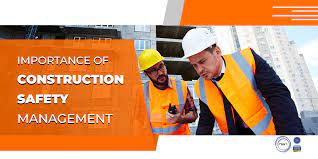
The construction industry is one of the most hazardous sectors to work in, with a significant number of accidents and injuries occurring on sites each year. As a result, maintaining high standards of health and safety is paramount. The Site Management Safety Training Scheme (SMSTS) is designed to equip site managers and supervisors with the knowledge and skills needed to manage construction sites safely and efficiently. This article explores the importance of SMSTS health and safety training in the construction industry, highlighting its key benefits and the impact it has on site safety.
1. Understanding Legal Responsibilities
One of the primary reasons SMSTS health and safety training is so important is that it educates site managers on their legal responsibilities. The Health and Safety at Work Act 1974, along with other regulations, places a legal duty on employers and site managers to ensure the safety and well-being of their workers. The SMSTS course covers all relevant legislation, providing site managers with a thorough understanding of their legal obligations. This knowledge is crucial for avoiding legal penalties and ensuring that construction activities are carried out in compliance with the law.
2. Preventing Accidents and Injuries
Construction sites are inherently risky environments, with numerous hazards that can lead to accidents and injuries if not properly managed. SMSTS training focuses on identifying potential risks and implementing effective control measures to prevent accidents. By equipping site managers with the tools to proactively manage site safety, SMSTS training plays a vital role in reducing the incidence of workplace accidents. This not only protects workers but also minimizes downtime and associated costs resulting from accidents.
3. Promoting a Culture of Safety
A strong safety culture is essential for any construction site. SMSTS training emphasizes the importance of fostering a positive safety culture where all workers understand the importance of safety and feel empowered to report hazards. Site managers who have completed SMSTS training are better equipped to lead by example, promoting safe working practices and encouraging open communication about safety issues. This culture of safety is crucial for creating a work environment where safety is prioritized by everyone on site.
4. Improving Risk Management
Effective risk management is a key component of site safety. The SMSTS course provides comprehensive training on how to conduct risk assessments, identify potential hazards, and implement appropriate control measures. This systematic approach to risk management helps site managers anticipate and mitigate risks before they lead to accidents or injuries. By improving risk management practices, SMSTS training contributes to safer construction sites and more efficient project delivery.
5. Enhancing Site Management Skills
While SMSTS training is primarily focused on health and safety, it also enhances overall site management skills. The course covers topics such as effective communication, leadership, and project management, all of which are essential for running a successful construction site. By improving these skills, SMSTS-trained managers are better equipped to coordinate site activities, manage resources, and ensure that projects are completed on time and within budget, all while maintaining high safety standards.
6. Meeting Industry Standards
In the construction industry, maintaining high standards of health and safety is not just a legal requirement but also an industry expectation. Many clients and contractors require site managers to hold SMSTS certification as a condition of employment or contract work. By completing SMSTS training, site managers demonstrate their commitment to meeting industry standards and their ability to manage sites safely and effectively. This not only enhances their professional reputation but also increases their employability and career prospects.
7. Reducing Costs Associated with Accidents
Accidents on construction sites can be costly, both in terms of human suffering and financial impact. Injuries can lead to lost workdays, increased insurance premiums, legal fees, and even compensation claims. SMSTS training helps site managers implement effective safety measures that reduce the likelihood of accidents, thereby minimizing these costs. Investing in SMSTS training can lead to significant long-term savings by preventing costly incidents and ensuring that projects run smoothly.
8. Ensuring Compliance with Health and Safety Audits
Health and safety audits are a critical part of construction site management. These audits assess whether a site is operating in compliance with health and safety regulations and industry best practices. Site managers who have completed SMSTS training are better prepared to ensure that their sites pass these audits with flying colors. The course provides the knowledge and skills needed to maintain documentation, implement safety procedures, and ensure that all aspects of site safety are up to standard.
9. Boosting Worker Morale and Productivity
A safe work environment is essential for maintaining worker morale and productivity. When workers know that their safety is being prioritized, they are more likely to be motivated, focused, and productive. SMSTS-trained site managers are equipped to create a safe working environment that supports worker well-being and productivity. By reducing the risk of accidents and promoting a culture of safety, SMSTS training helps site managers foster a positive and productive work environment.
10. Contributing to the Overall Success of Construction Projects
Ultimately, the success of a construction project depends on effective site management. Health and safety are integral to this success, as they impact every aspect of a project, from worker well-being to project timelines and budgets. SMSTS training equips site managers with the knowledge and skills needed to manage site safety effectively, contributing to the overall success of construction projects. By ensuring that sites are safe, compliant, and well-managed, SMSTS-trained managers play a crucial role in delivering successful construction outcomes.
Conclusion
SMSTS health and safety training is essential for construction site managers who are responsible for ensuring the safety and well-being of their teams. The training provides a comprehensive understanding of legal responsibilities, risk management, and best practices in site safety, all of which are critical for preventing accidents and promoting a culture of safety. By investing in SMSTS training, construction companies can reduce costs, improve site management, and ensure the success of their projects. For site managers, completing SMSTS training is not only a professional requirement but also a commitment to maintaining the highest standards of safety in the construction industry. Read more