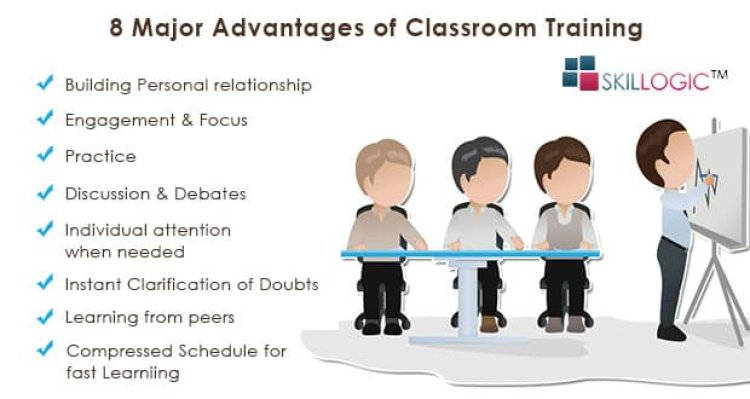
The Site Management Safety Training Scheme (SMSTS) is a crucial course for construction professionals who aspire to or currently hold management roles on construction sites. While SMSTS training is available in various formats, classroom-based training remains a popular choice due to its interactive nature and the opportunity for real-time learning. This article provides a detailed overview of what you can expect from SMSTS classroom training by walking through a typical day in the life of a trainee.
1. Arrival and Registration
Your day begins with arriving at the training venue, which is often held at a dedicated training center or a suitable location provided by an accredited training provider. Upon arrival, you'll register your attendance, and this is typically followed by a brief introduction to the course structure and schedule for the day. This initial stage is crucial as it sets the tone for the rest of the training session and gives you a chance to familiarize yourself with the environment and meet your fellow trainees.
2. Introduction to the Day’s Topics
The instructor will start the day by introducing the topics that will be covered. The SMSTS course is designed to be comprehensive, and each day typically focuses on different aspects of site management and safety. For example, one day might focus on health and safety law, while another might delve into risk assessment or environmental management. This introduction provides context for the day’s learning objectives and prepares you for the material that will be covered.
3. Interactive Lectures
Classroom training is particularly effective for SMSTS because it allows for interactive learning. During the lectures, the instructor will present key concepts and regulations related to construction site safety. Unlike passive learning environments, classroom training encourages questions and discussions. You’ll have the opportunity to engage with the instructor and other trainees, clarifying any doubts and gaining a deeper understanding of the material. This interaction helps reinforce the learning and ensures that you can apply the knowledge in real-world situations.
4. Group Activities and Discussions
One of the most valuable aspects of classroom-based SMSTS training is the opportunity to participate in group activities and discussions. The course often includes group exercises where you’ll work with other trainees to solve safety-related problems or analyze case studies. These activities not only help solidify your understanding of the material but also foster teamwork and communication skills, which are essential for effective site management. Group discussions also allow you to learn from the experiences of others in the room, gaining different perspectives on managing safety on construction sites.
5. Real-Life Case Studies
Throughout the day, you’ll engage with real-life case studies that bring the course material to life. These case studies are based on actual incidents and scenarios that have occurred on construction sites, allowing you to apply theoretical knowledge to practical situations. Analyzing these case studies helps you develop problem-solving skills and understand the consequences of poor safety management. This hands-on approach is one of the key benefits of classroom training, as it prepares you for the realities of site management.
6. Breaks and Networking Opportunities
The day is structured with regular breaks, providing you with the chance to recharge and reflect on what you’ve learned. These breaks are also valuable networking opportunities. You’ll have the chance to interact with other construction professionals, share experiences, and build relationships that can be beneficial in your career. Networking during classroom training can lead to new opportunities, collaborations, and the exchange of ideas that enhance your professional growth.
7. Practical Exercises and Role-Playing
Classroom training often includes practical exercises and role-playing scenarios. For instance, you might be asked to conduct a mock risk assessment or develop a safety plan for a hypothetical construction site. These practical exercises help bridge the gap between theory and practice, ensuring that you are not just memorizing information but also learning how to apply it in real-world contexts. Role-playing scenarios are particularly useful for developing leadership and decision-making skills, which are critical for site managers.
8. Instructor Feedback and Guidance
Throughout the day, the instructor provides continuous feedback and guidance. This personalized attention is one of the major advantages of classroom training. If you are struggling with a particular concept or exercise, the instructor is available to offer additional explanations or alternative approaches. This immediate feedback helps you stay on track and ensures that you fully understand the material before moving on to the next topic.
9. Review and Recap Sessions
As the day draws to a close, the instructor will typically lead a review session to recap the key points covered. This is an important part of the learning process as it reinforces what you’ve learned and helps cement the knowledge in your mind. The recap also provides an opportunity to ask any final questions and clarify any remaining uncertainties. It’s a chance to consolidate your learning and ensure that you are prepared for the following day’s topics.
10. Preparation for the Next Day
Before you leave, the instructor may provide a brief overview of what to expect in the next session and assign any homework or reading material. This preparation helps you stay engaged with the course material between sessions and ensures that you are ready to dive into the next day’s topics. Completing any assigned tasks or readings is crucial for getting the most out of the training, as it reinforces your learning and keeps you aligned with the course objectives.
Conclusion
SMSTS classroom training offers a dynamic and interactive learning experience that is highly beneficial for construction professionals seeking to enhance their site management skills. From engaging lectures and group activities to real-life case studies and practical exercises, a day in the life of an SMSTS trainee is packed with valuable learning opportunities. The structured environment, immediate feedback, and networking potential make classroom training an effective way to prepare for the challenges of managing construction site safety. Whether you are new to site management or looking to refresh your skills, SMSTS classroom training provides the comprehensive education needed to excel in your role. Read more