Congratulations if you've just finished wearing your final Invisalign aligner! You've completed the majority of your treatment and now have the smile of your dreams. You may be entering the maintenance or retention stage when your active treatment period comes to an end.
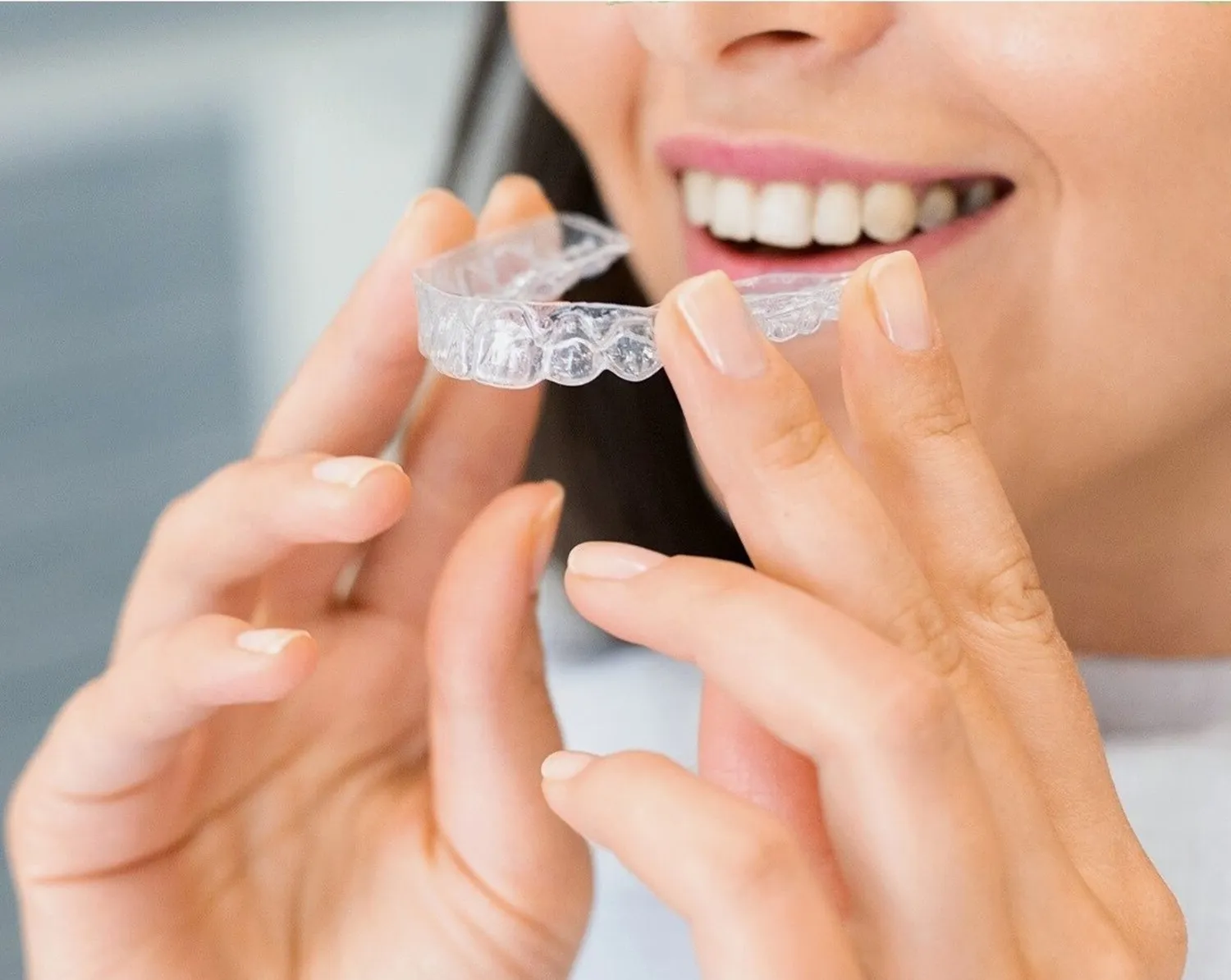
What is Invisalign Maintenance?
All orthodontic procedures, including braces and Invisalign, require upkeep to keep the teeth in the ideal positions. Teeth want to return to their original positions if care is not taken, ruining the effort and effects of the orthodontic treatment.
At the conclusion of every orthodontic treatment, a retainer is worn to keep teeth in place. Patients typically need a fixed wire retainer in addition to removable clear retainers. To guarantee the durability of the results, your orthodontist must select the precise style and method of retention based on a variety of treatment-related parameters.
What Is the Retainer Worn For?
Your orthodontist will give you advice on how often you wear your retainer and whether it's appropriate to cut back on the number of hours you must wear it each day. Before it's safe to cut back on the hours, you might need to wear your retainers for a while at 22 hours each day. . There is no set timeline or answer for when you can stop wearing your retainer, so it's crucial to follow the instructions and wait for your orthodontist to indicate the next steps.
Is a New Retainer Required?
Your retainer should continue to fit if you wear it as directed. Your retainer is likely to no longer fit when retainers aren't used and one or more teeth shift; this could signal relapse or an issue.
Retainers, however, can also become worn out. The fact that they are composed of incredibly thin plastic makes them pleasant to wear and nearly unnoticeable, but it also increases the likelihood that they may sustain damage. You run the risk of breaking or staining your retainer if you consume anything but water while wearing it. Your retainer will certainly deteriorate more quickly than usual if you grind your teeth at night.
A fixed retainer is what?
A tiny wire known as a fixed retainer is permanently fastened to the backs of your front teeth as a method of retaining teeth in their proper alignment. Ask your orthodontist if this will be used on the top teeth, the bottom teeth, or both the upper and lower teeth during your last appointments.
Will I Have to Visit the Orthodontist Once More?
Orthodontic therapy has distinct effects on different people. Even if the retainers are not worn as directed, some people's teeth are less likely to shift from their new position, while others continue to experience tooth movement months or years after their Invisalign treatment is complete. Your orthodontist cannot predict how each patient's teeth will respond to treatment. The orthodontist must continue to see the patient throughout the retention phase in order to find out.
You should attend all of your orthodontist appointments. It enables your orthodontist to examine your teeth to make sure there hasn't been any movement or if a change could endanger them, like wisdom teeth erupting. To allow the orthodontist to assess the fit and condition of your current pair of retainers, bring them with you to every appointment. Don't forget to visit the dentist every six to twelve months to make sure your teeth are clear of plaque, decay, or periodontal disease, all of which can harm your health.