When constructing or purchasing a home, one of the most critical yet often overlooked aspects is the foundation. This vital structure supports the entire weight of the building and determines the durability, safety, and longevity of your home. A solid foundation not only provides stability but also protects against many environmental and structural issues such as soil movement, water damage, and shifting terrain. Unfortunately, many homeowners do not give it the attention it deserves until problems arise—cracks in walls, uneven floors, or even doors and windows that refuse to close properly. These seemingly minor signs can indicate deeper foundational issues that may be costly to repair. Therefore, understanding the role of a strong foundation and how to maintain it can save homeowners considerable stress, time, and money in the long run. Whether you're building a new house or maintaining an existing one, the foundation should always be a top priority in your home maintenance and construction plans.
Why the Foundation Matters
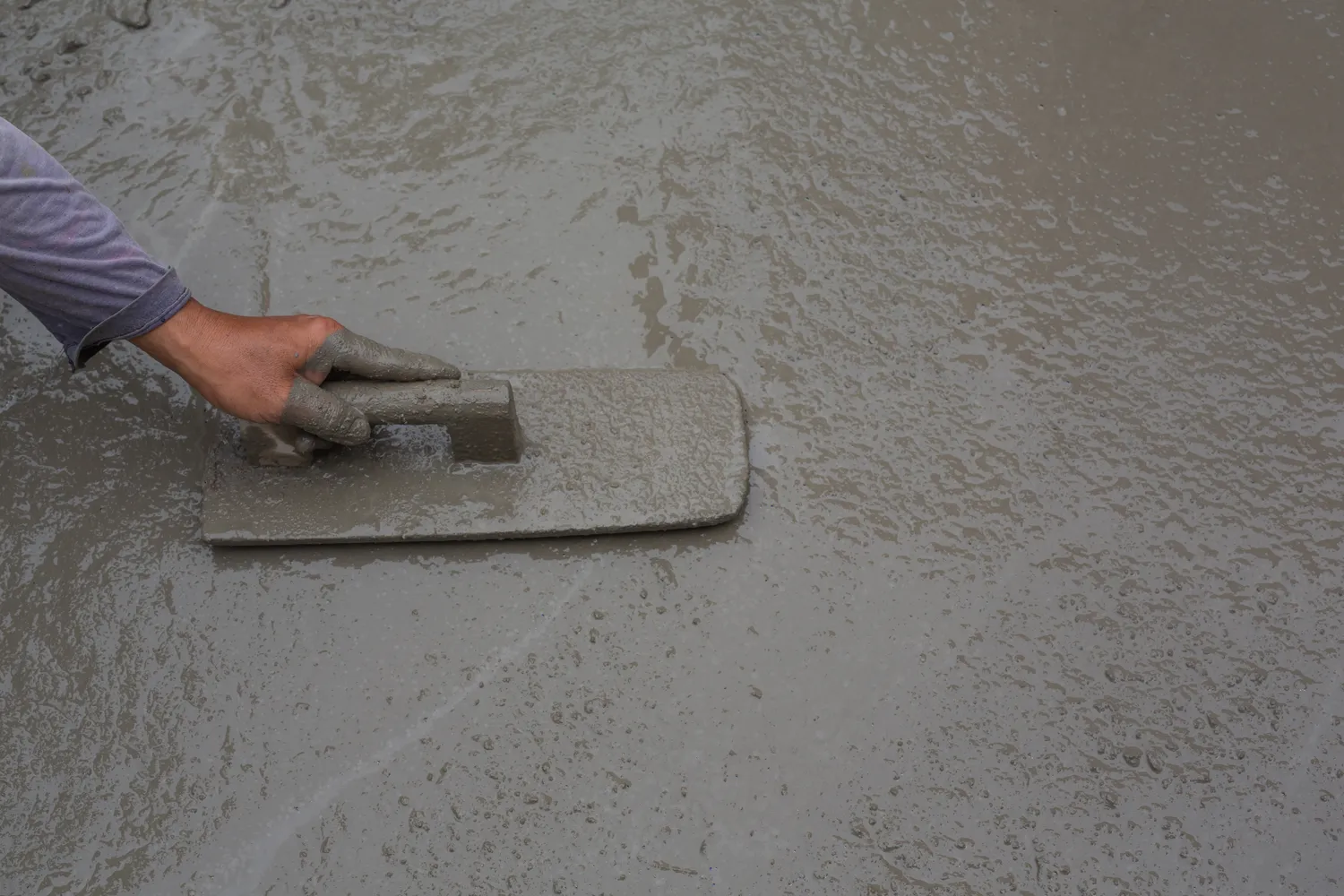
The foundation is the base upon which your entire home stands. It distributes the weight of the structure evenly across the ground and anchors the building against natural forces like earthquakes, wind, and floods. A well-built foundation reduces the risk of uneven settling, which can lead to structural imbalances and long-term damage. Without a properly constructed foundation, no matter how well-designed the rest of the home may be, it is vulnerable to damage. It also acts as a barrier against moisture intrusion from the soil, helping to prevent mold growth, wood rot, and other moisture-related problems. In regions with extreme weather conditions or unstable soil types, having a strong foundation becomes even more essential.
Types of Foundations and Their Uses
There are several types of foundations commonly used in residential construction, including slab, crawl space, and basement foundations. Each serves specific purposes and is suitable for particular environments. Slab foundations, for example, are common in warmer climates and are relatively inexpensive and quick to construct. Crawl space foundations raise the home off the ground, providing easier access to plumbing and wiring, while also protecting against moisture. Basement foundations add additional living or storage space and are popular in colder climates where deeper footing is necessary to reach below the frost line. The choice of foundation type depends on factors such as local climate, soil conditions, budget, and the intended use of the building. Click on this page to know more about solid foundation.
Signs of Foundation Problems
Recognizing the early signs of foundation problems can help prevent more serious issues. Cracks in the walls, especially those that are diagonal or wider than a quarter-inch, are often early warning signs. Doors and windows that stick or won’t close properly can also indicate shifting or settling. Uneven floors, gaps around window frames, and water pooling around the foundation are other red flags. Ignoring these signs can lead to escalating repair costs and potential structural failure. Regular inspections, especially after severe weather or flooding, can help catch problems early before they worsen.
Maintenance and Prevention
Proper foundation maintenance starts with water control. Ensuring that gutters and downspouts direct water away from the base of the home helps prevent erosion and soil movement. Landscaping should also slope away from the foundation to avoid pooling water. In areas with expansive clay soils, maintaining consistent moisture levels around the foundation can prevent soil from expanding and contracting, which can cause cracks. Avoid planting large trees too close to the home, as their roots can affect soil stability. Additionally, sealing foundation cracks and applying waterproof coatings can enhance durability and reduce water infiltration. Regularly inspecting your home’s foundation and addressing minor issues promptly is key to avoiding expensive repairs later.
The Long-Term Value of a Strong Foundation
Investing in a strong foundation pays dividends over the life of a home. It ensures safety, comfort, and peace of mind for occupants. From protecting the home’s structure to maintaining its market value, a good foundation is essential for long-term property health. Whether you’re building, buying, or maintaining a home, understanding the importance of its foundation will help you make smarter, more informed decisions. In the end, a home is only as strong as the ground it stands on—and ensuring that ground is solid is one of the most important steps you can take.