There's a particular kind of material that garden designers and landscape enthusiasts tend to discover once and never entirely move on from. It has weight, character, and a presence that manufactured alternatives spend a lot of marketing effort trying to approximate without quite achieving. Recycled wooden sleepers are that material — and for anyone who has used them properly in a garden, driveway, or landscaping project, the appeal becomes immediately obvious.
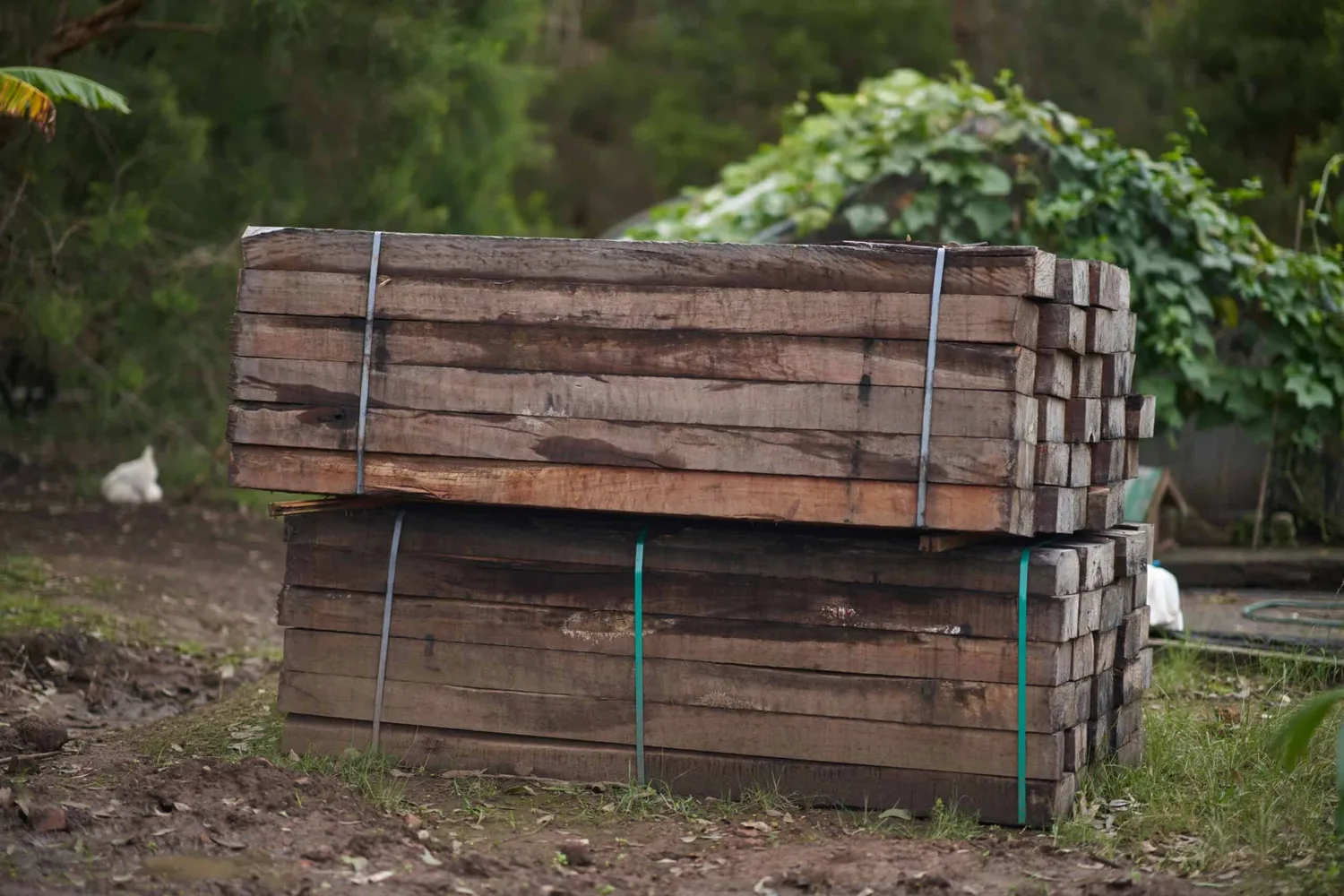
Railway Sleeper Specialists has built its entire operation around supplying these materials to customers who understand what quality actually looks like in this category — and to customers discovering it for the first time who quickly understand why the enthusiasm is justified.
What Recycled Wooden Sleepers Actually Are
The terminology is worth clarifying, because it gets used loosely and the distinctions matter when you're making a purchasing decision.
Recycled wooden sleepers are timbers that were previously used in railway track construction — the horizontal members that support the rails and distribute load across the trackbed. These timbers were built to specifications that prioritised durability above almost everything else. They needed to withstand constant dynamic loading from passing trains, exposure to the full range of weather conditions, and decades of operational life in demanding environments.
The timbers that met these requirements were primarily hardwoods — oak, jarrah, and azobe among the most common — treated with preservatives and subjected to the kind of practical stress testing that no laboratory can replicate. When these sleepers are recovered from railway infrastructure as it's upgraded or decommissioned, what becomes available is genuinely remarkable material: hardwood timbers that have been seasoned for decades, are structurally sound, and carry the visual character that only genuine age and use produces.
This character — the weathering, the grain patterns revealed through years of exposure, the occasional marks of their previous life — is precisely what makes them so compelling for landscape and garden use. It cannot be manufactured. It can only be accumulated through time, and recycled wooden sleepers have accumulated it in abundance.
Why This Material Works So Well in Landscape and Garden Contexts
The practical performance of these timbers in garden and landscape applications is directly connected to the qualities that made them suitable for railway use in the first place.
The density and hardness of the hardwoods most commonly used for railway sleepers makes them extraordinarily resistant to the moisture, ground contact, and biological activity that deteriorate lesser timbers relatively quickly. A properly specified recycled sleeper used in raised bed construction, retaining wall applications, or garden edging will outlast treated softwood alternatives by a considerable margin — often by decades.
The dimensional consistency that railway engineering required means these timbers are genuinely workable for construction purposes. They cut cleanly, stack reliably, and provide the structural predictability that any serious landscape project needs. Working with reclaimed material sometimes involves accepting significant variation in dimensions and condition — recycled railway sleepers offer character without sacrificing the practical consistency that makes them genuinely useful as a building material rather than merely a decorative one.
Aesthetically, the appeal is difficult to overstate and almost impossible to replicate artificially. The depth of grain in properly aged hardwood, the subtle colour variations that develop through weathering, the visual weight that comes from genuine mass — these qualities make recycled sleepers a material that landscape designers and garden owners return to repeatedly because nothing else quite achieves the same effect.
The Applications That Suit Them Best
Raised beds are perhaps the most common and consistently successful application. The combination of structural strength, attractive appearance, and genuine longevity makes recycled sleepers the material of choice for raised vegetable growing areas, ornamental beds, and the kind of garden structures that are meant to become permanent features rather than elements replaced every few years.
Retaining walls are another natural application — the weight and structural integrity of the material provides genuine retaining capability rather than the decorative suggestion of it that lighter alternatives sometimes offer. Steps, pathways, garden edging, water feature surrounds, and even furniture — benches and seating elements made from recycled sleepers have a permanence and character that purpose-made garden furniture rarely achieves.
For driveways and hardstanding areas, sleepers used as edging and structural elements bring a natural aesthetic that works particularly well in rural and semi-rural contexts where harder landscaping materials can feel incongruous with the surrounding environment.
Frequently Asked Questions
Q1. Are recycled wooden sleepers safe to use in vegetable garden raised beds?
Modern recycled sleepers are generally suitable for raised beds, though checking the specific treatment history of any sleeper used near edible crops is always recommended.
Q2. How long do recycled wooden sleepers typically last in garden applications?
Quality hardwood recycled sleepers used in landscape applications can last several decades with no maintenance beyond occasional natural weathering.
Q3. What timber species are most commonly used in recycled railway sleepers?
Oak, jarrah, and azobe are among the most common hardwood species, all chosen for their exceptional durability and structural performance.
Q4. Can recycled wooden sleepers be cut to custom lengths for specific projects?
Yes — despite their density, quality hardwood sleepers can be cut cleanly with appropriate equipment to suit specific project dimensions.
Q5. Do recycled sleepers require treatment or sealing before use in garden projects?
They can be used without additional treatment in most applications, though oil or sealer application can enhance appearance and extend surface life further.
Q6. How do I explore the range of recycled wooden sleepers available?
Visit Railway Sleeper Specialists to browse the full range, understand specifications, and connect with the team for project-specific advice.
Conclusion
Few materials bring as much genuine character, practical durability, and landscape presence as recycled wooden sleepers used thoughtfully in the right applications. The combination of real hardwood quality, accumulated character, and structural integrity makes them a material worth taking seriously for any garden or landscape project where the finished result should feel genuinely permanent rather than temporary. Railway Sleeper Specialists provides the expertise, the range, and the quality assurance that this material deserves. Visit our website and discover what the right sleeper can do for your next project.