The hidden geometry of craft villages near Hanoi
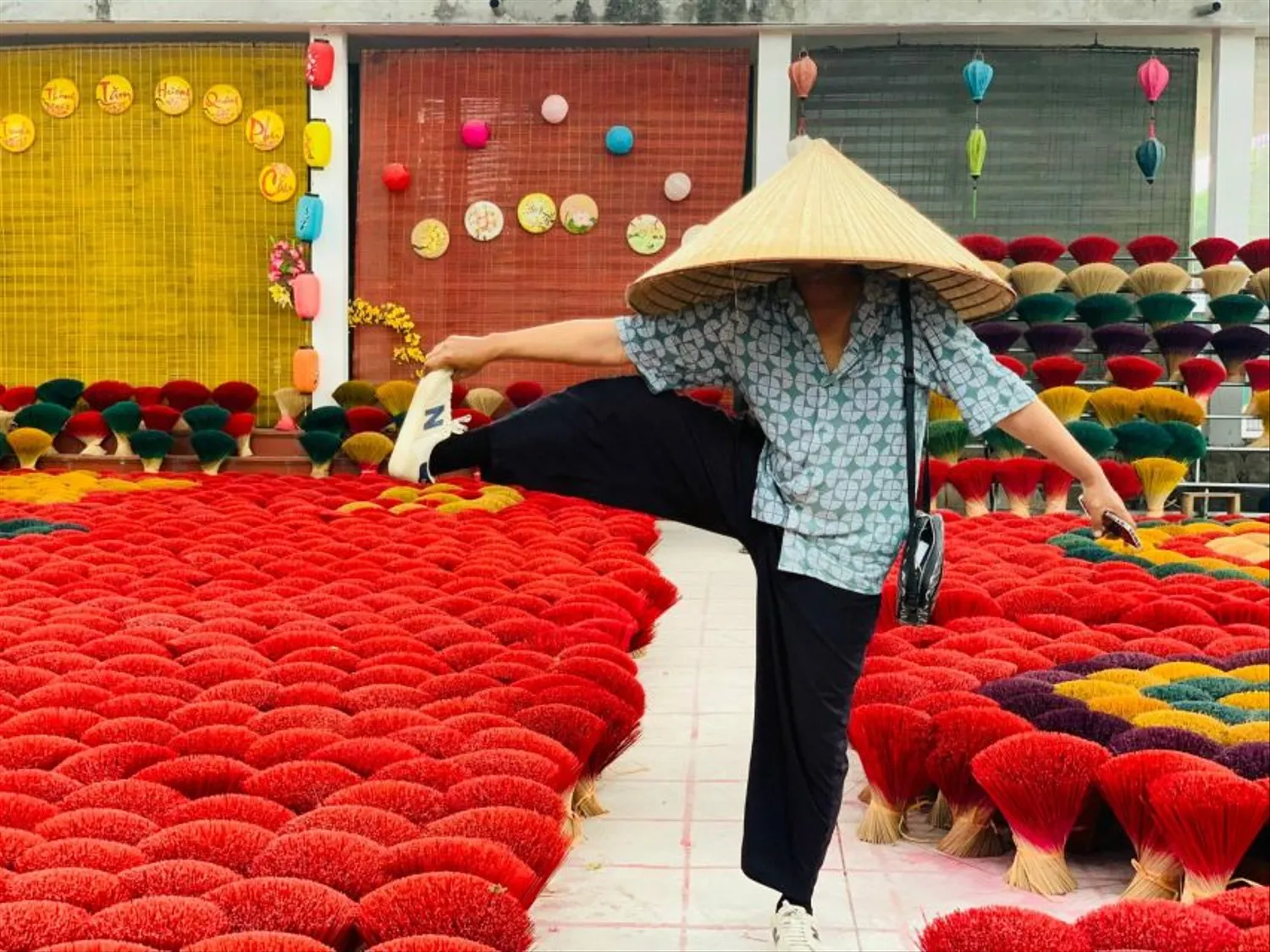
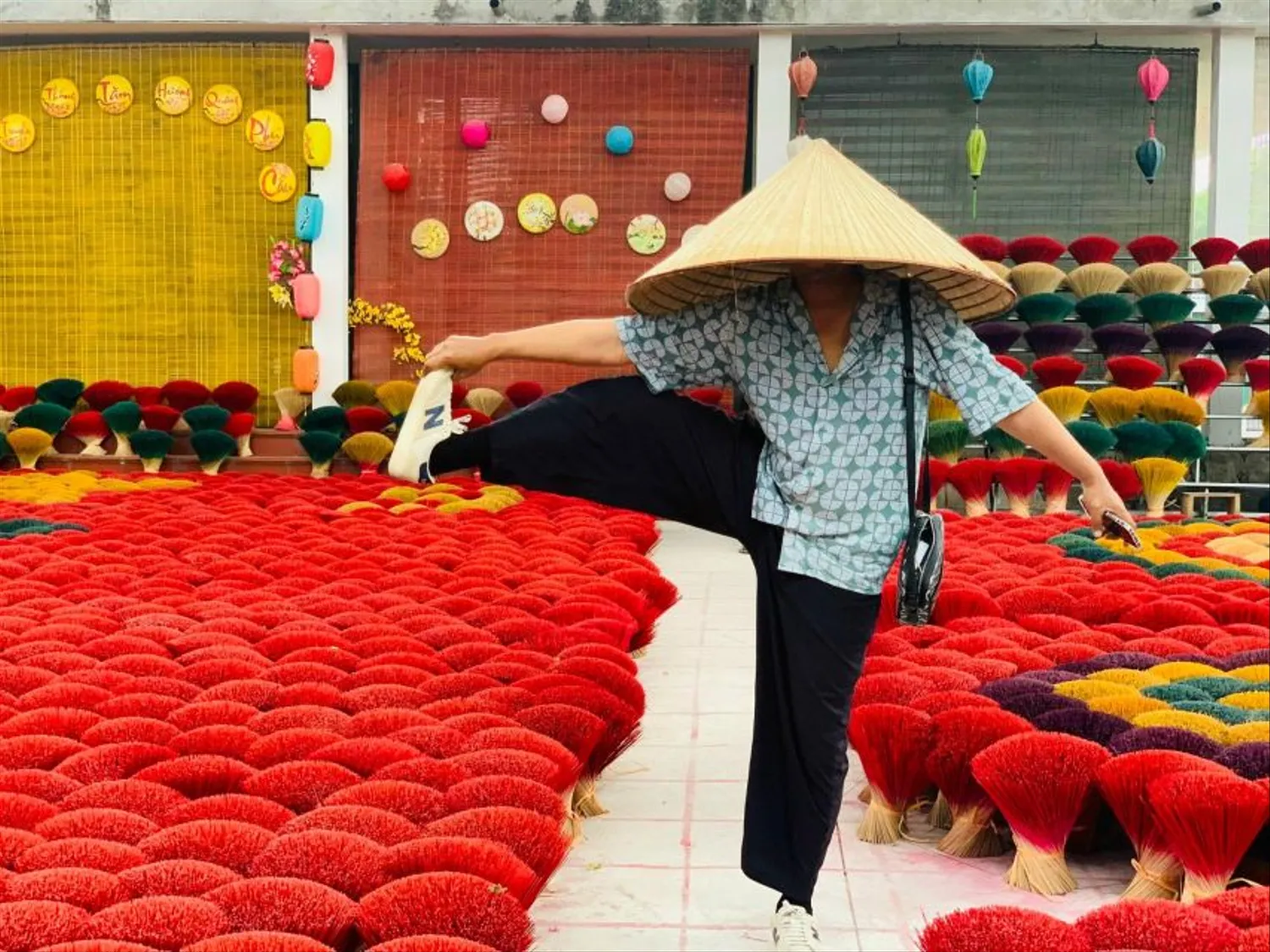
Most travelers tick off Hanoi’s old quarter in a blur of motorbikes and egg coffee, yet the real pulse of Vietnamese creativity beats thirty kilometers away. Here, the incense village of Quang Phu Cau transforms into a crimson quilt each morning, while neighboring hamlets whisper secrets of lacquer and palm-leaf hats. This day trip from Hanoi is not a passive museum visit—it is a workshop where your hands learn what your eyes cannot see. The geometry of bundled incense sticks, the layered patience of lacquer, the precise curve of a conical hat—all demand a slower rhythm. For those seeking a tactile connection to Vietnamese culture, Tinny Travel offers a structured path through this living heritage, but the true reward lies in what you create yourself.
Why mass tourism misses the artisan’s hand
The standard excursion photographs the incense fields from a bus window, then rushes to a souvenir stall. This approach treats culture as a backdrop, not a dialogue. In contrast, stepping into a lacquer workshop reveals a material conversation: each coat of resin requires days of drying, each layer of crushed eggshell demands steady fingers. Beginners often expect instant results, then discover that the beauty of lacquer is its refusal to hurry. Similarly, crafting a conical hat involves steaming bamboo ribs and stitching palm leaves in a spiral—a technique that took local grandmothers decades to perfect. The frustration of a crooked first attempt is precisely the lesson. It converts passive appreciation into active empathy for the maker’s skill.
Turning workspace into memory
What transforms a tourist stop into a meaningful experience is the act of making. Under the watchful eye of artisans who have shaped lacquer bowls since childhood, you dip your brush into black sap, trace a lotus petal, and wait. The incense village adds a sensory layer—the scent of aloe and cassia clings to your clothes, while the bundled red sticks form natural patterns worthy of a gallery. Photographs taken here are not posed; they capture genuine dust on your fingers and paint under your nails. Sharing a meal with the artisans—perhaps a steaming bowl of bun cha or crispy banh xeo—grounds the artistic effort in daily sustenance. These flavors, traded across the workbench, taste sharper than any restaurant version.
As the afternoon light lengthens the shadows of drying incense racks, you realize that the souvenir you carry home is not the painted tray or the stitched hat—it is the inherited patience of hands that repeat the same motion for forty years. The villages do not simply display culture; they invite you to borrow it for a day, then return it transformed by your own effort. For a comprehensive itinerary that balances creation, cuisine, and photography, consult https://tinnytravel.com/product/from-hanoi-incense-conical-hat-lacquer-art-villages-day-trip/. The journey ends where every artisan’s day ends—with tired hands and a quiet satisfaction that no camera filter can replicate. Your fingers remember what your phone cannot store, and that is the only souvenir worth keeping.