Hair is more than a feature; it's a form of identity, confidence, and expression. With changing lifestyles, increasing stress levels, and genetic predispositions, hair thinning and loss have become more common than ever. While surgical hair transplants were once considered the primary solution, technological advancement has ushered in a safer and more accessible alternative: non surgical hair restoration.
This innovative approach caters to individuals who prefer a painless, non-invasive solution that delivers natural-looking results without the downtime and cost of surgical procedures. Let's explore how this method works, who it’s suitable for, and why it's becoming the preferred choice for thousands around the world.
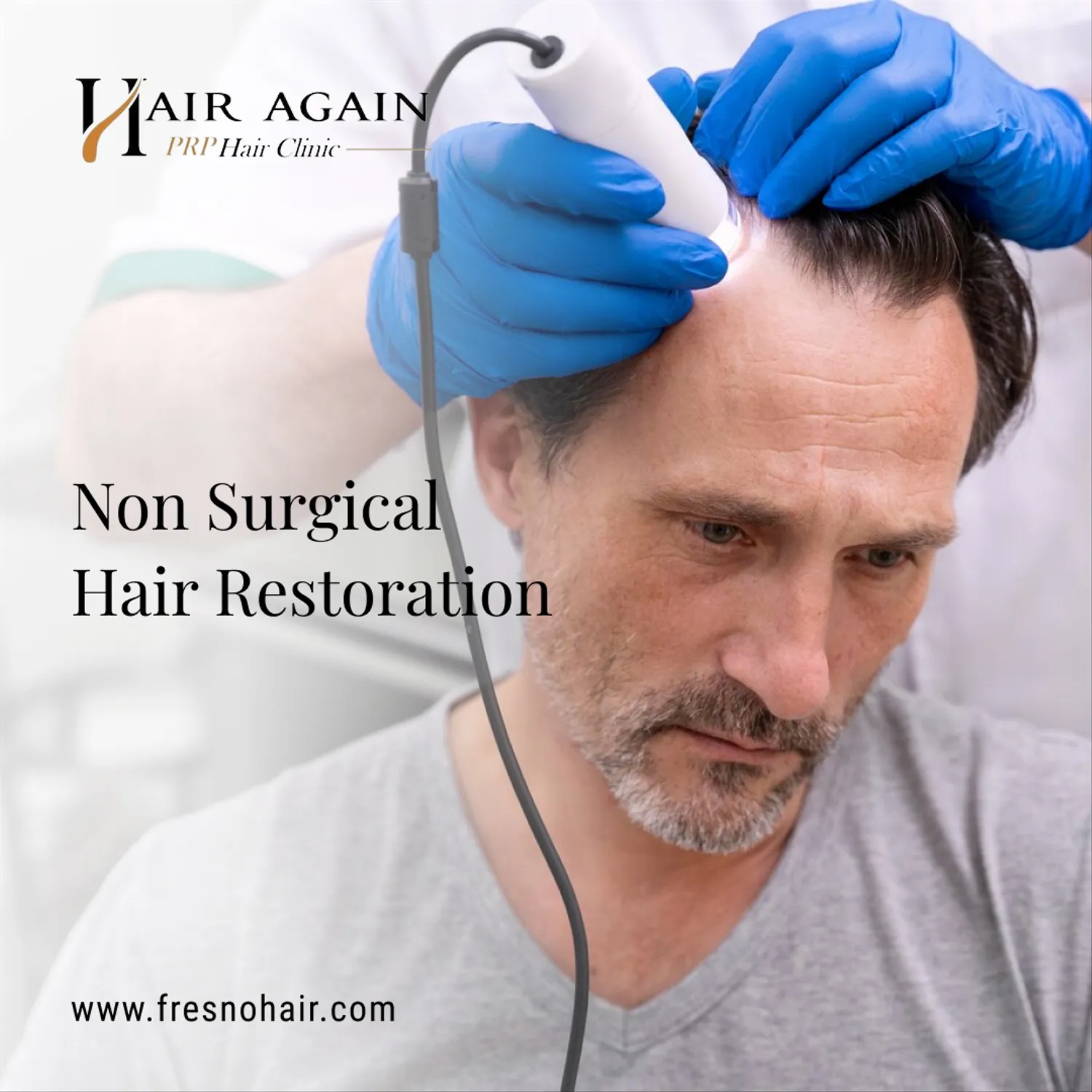
Understanding Hair Loss and Its Impact
Hair loss isn’t just a cosmetic concern—it can significantly impact one’s mental and emotional well-being. For many, the thinning crown or receding hairline symbolizes aging, a loss of vitality, or diminished attractiveness. Although hair loss is a natural part of life, the psychological toll can be profound, affecting personal confidence, social interactions, and even professional presence.
Different causes like male pattern baldness, hormonal imbalances, medical conditions, or even certain medications can lead to hair loss. This means the solution must be equally nuanced—and this is where modern restoration methods step in.
What Is Non Surgical Hair Restoration?
Unlike traditional transplants, non surgical methods focus on either stimulating existing follicles or disguising hair loss through high-tech aesthetic techniques. The most popular non surgical hair restoration options include:
- Hair Systems or Hairpieces: Custom-designed wigs that blend seamlessly with natural hair.
- Scalp Micropigmentation (SMP): A cosmetic tattooing technique that mimics the appearance of closely shaven hair follicles.
- Laser Light Therapy (LLLT): Low-level lasers used to stimulate hair growth.
- Platelet-Rich Plasma (PRP): Using the body’s own platelets to regenerate dormant hair follicles.
- Topical and Oral Medications: FDA-approved solutions like Minoxidil and Finasteride to slow or reverse hair loss.
These methods do not involve any cuts, stitches, or long recovery times, making them ideal for individuals wary of surgical intervention.
Suitability and Customization
One of the standout features of non surgical hair restoration is its adaptability. Whether someone is in the early stages of hair loss or has already experienced significant thinning, there's usually a viable option available.
Hair systems, for instance, can be tailored based on the person’s hair type, texture, and lifestyle. They are made using real human hair or high-quality synthetic alternatives and can be designed to match existing hair density, color, and direction of growth.
LLLT devices are available for home use, while in-clinic treatments offer more potent results under professional guidance. Scalp micropigmentation offers a realistic illusion of hair density for those who like the look of a short buzz cut.
Benefits That Go Beyond the Surface
The appeal of these solutions lies not just in their visual results but also in the emotional boost they provide. Some of the key benefits include:
- Immediate or quicker results compared to surgical procedures.
- No risk of scarring or anesthesia-related complications.
- Cost-effective options for those with budget constraints.
- Adjustable and reversible, giving users full control over their appearance.
- Suitable for individuals with medical conditions that rule out surgery.
The Confidence Factor
Restoring hair is, in many cases, about restoring confidence. Countless testimonials from users reveal how non surgical interventions have helped them reconnect with their self-image. The feeling of running fingers through a fuller head of hair, meeting someone’s gaze without insecurity, or simply liking what they see in the mirror—these are powerful transformations.
Men and women of all ages are increasingly choosing these alternatives to regain control over their appearance. It’s no longer about vanity but self-care and empowerment.
What to Consider Before Choosing a Treatment
While non surgical options are less risky, it’s still essential to consult a qualified specialist before choosing a treatment. Understanding one’s hair loss pattern, medical history, lifestyle, and expectations is crucial for selecting the right method.
Look for clinics or providers who specialize in this niche and offer personalized consultations. Reviews, before-and-after images, hygiene standards, and aftercare support are all important factors to evaluate. For wearable systems, maintenance requirements and durability should also be discussed upfront.
Why Men and Women Are Choosing Non-Invasive Solutions
With social awareness around self-care growing, the stigma around aesthetic enhancement has diminished. Hair restoration, especially when it's non-invasive, is viewed today more like dental correction or skincare—a normal part of grooming and wellness.
Moreover, advancements in technology have made these procedures virtually undetectable. People no longer fear the “wig look” or patchy results. Instead, they are embracing seamless solutions that merge with their real hair for flawless finishes.
Maintenance and Longevity
Every treatment type has a different maintenance schedule. For example, hair systems may require monthly visits for adjustment, cleaning, and reapplication. SMP typically needs a few touch-up sessions but can last for years. LLLT and topical medications must be used consistently over time for maximum effectiveness.
It’s important to follow a proper hair care routine, protect the scalp from sun damage, and avoid harmful hair products to extend the life of the treatment.
Future of Hair Restoration
As demand for less invasive procedures continues to grow, the market for non surgical options is expanding rapidly. New developments in stem cell therapy, nanotechnology, and wearable biotech solutions are likely to redefine the industry.
The future could include smart hair systems that regulate scalp temperature, responsive scalp serums based on real-time skin feedback, and even AI-driven hair density mapping to offer ultra-personalized regimens.
Reclaiming Control Through Modern Solutions
Choosing to treat hair loss is a deeply personal decision. It signifies a step towards taking charge of one’s appearance and mental wellness. For those unwilling or unable to undergo surgery, non invasive options offer a practical and effective route.
The emotional relief of looking and feeling youthful again cannot be understated. Whether it’s preparing for a big career move, reconnecting with loved ones, or simply feeling content, a fuller head of hair often becomes the symbol of much more.
Conclusion
The evolution of hair restoration has opened up a new world of opportunities for individuals facing hair loss. From confidence to convenience, non-invasive methods are rewriting the rules of what’s possible in personal grooming and self-esteem. As more people seek practical, customizable options, non surgical hair restoration continues to lead the charge—bridging science, aesthetics, and hope in one transformative experience.