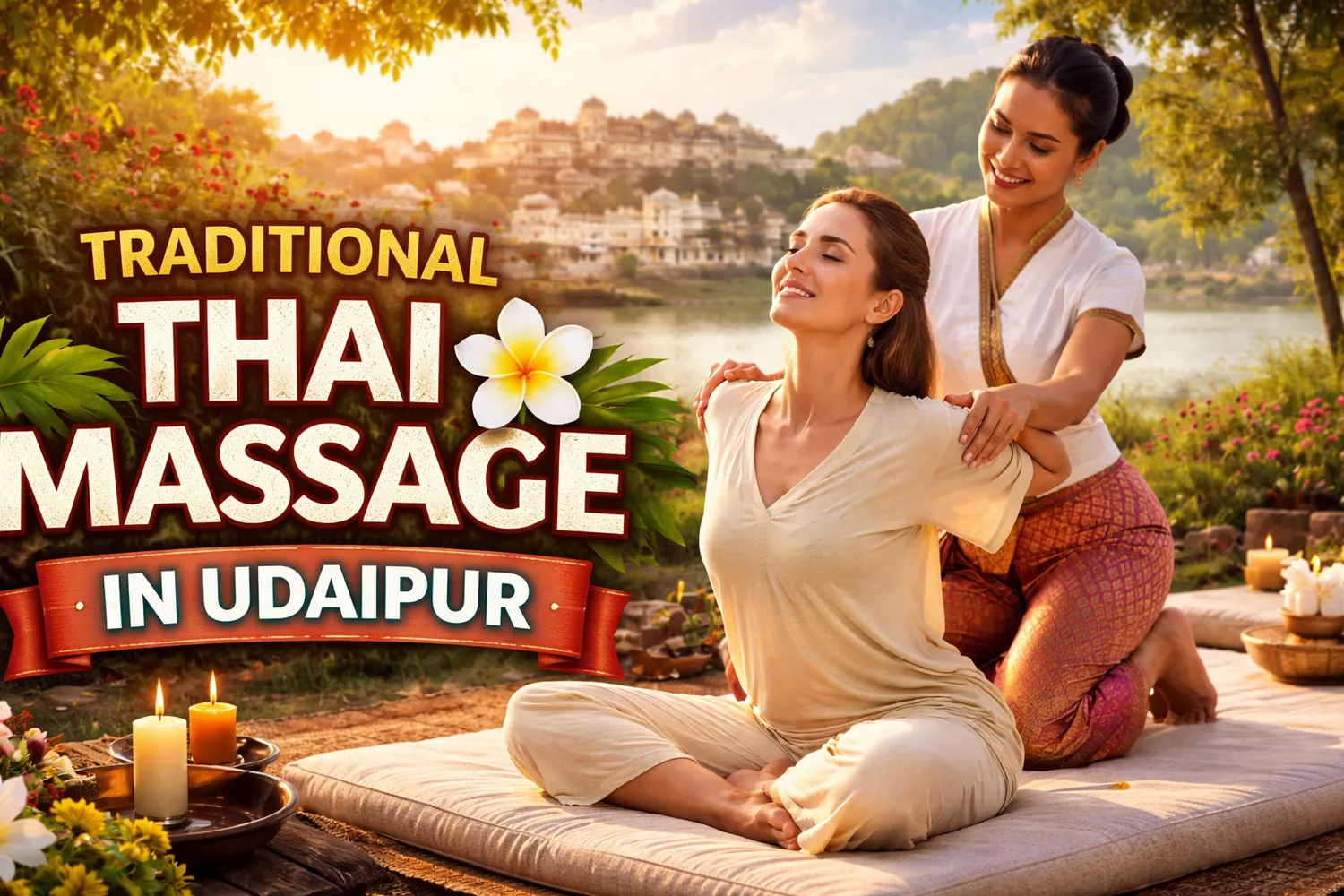
Traditional Thai Massage, also known as Nuad Thai, is a therapeutic healing art with a history spanning over 2,500 years. Unlike many Western massage styles that focus on muscle manipulation with oils, this ancient practice is rooted in a holistic philosophy. It is believed to have been developed by Jivaka Komarabhacca, a contemporary of the Buddha and a skilled physician. The therapy combines elements of Indian Ayurveda, traditional Chinese medicine, and indigenous Thai healing practices.
The core philosophy centers on "Sen" lines, which are energy pathways that run throughout the human body. Practitioners believe that when these pathways are blocked, it leads to physical pain and emotional stagnation. By applying rhythmic pressure and assisted yoga stretches, a therapist helps restore the flow of vital energy. For those seeking this authentic experience, visiting a reputable spa in udaipur like Gurutava Wellness Spa ensures that these traditional principles are followed with precision and care.
Preparing for the Therapy Session
A traditional Thai massage session is a unique experience that begins before the physical contact starts. Unlike other therapies where you might disrobe, Thai massage is performed while you are fully clothed in loose, comfortable attire. This allows for the wide range of motion required during the stretching phases.
At Gurutava Wellness Spa, the environment is designed to be a sanctuary of calm. The session typically takes place on a firm mat on the floor rather than a raised table. This setup provides the therapist with the leverage needed to use their body weight effectively. Before beginning, the therapist may engage in a brief moment of mindfulness or "Puja" to center their energy and focus on the guest’s well-being. This preparation sets a professional and meditative tone for the journey ahead.
Step One: Focus on the Feet and Lower Limbs
The therapy almost always begins at the feet. In Thai tradition, the feet are considered the gateway to the body’s energy system. The therapist uses their thumbs and palms to apply rhythmic pressure to specific points on the soles and around the ankles. This initial phase is designed to "open" the energy lines and prepare the nervous system for deeper work.
As the therapist moves up the legs, they use a combination of thumb-pressing and palm-walking. This sequence is vital for improving blood circulation and relieving the heavy sensation often felt in the lower limbs after a long day. If you are looking for a tradiional thai massage in udaipur, you will notice that expert practitioners pay close attention to the inner and outer lines of the thighs, which are crucial for hip mobility.
Step Two: Sen Line Manipulation and Torso Work
Once the legs are warmed up, the therapist focuses on the torso and the primary Sen lines. Using their palms, forearms, and sometimes even their knees, the practitioner applies firm, steady pressure along the sides of the spine and across the abdomen. This part of the process is not just about muscle relief; it is about stimulating the internal organs and balancing the body’s internal "wind" or energy.
The rhythmic nature of the pressing creates a "pulse" effect. This helps in decompressing the vertebrae and loosening the tight muscles of the lower and middle back. Gurutava Wellness Spa prides itself on employing therapists who understand the anatomy of these energy lines, ensuring that every movement is both safe and effective for the guest.
Step Three: Assisted Yoga Stretches
The most distinctive feature of a Thai massage is the assisted stretching. Often referred to as "lazy man's yoga," this stage involves the therapist moving your body into various positions to stretch the muscles deeply. You might be guided into a seated twist, a "cobra" pose while lying prone, or a "plow" pose to stretch the entire posterior chain.
During these stretches, the therapist uses their own body to support yours, creating a sense of safety and allowing you to go deeper into the stretch than you could on your own. This helps in increasing the range of motion in the joints and releasing deep-seated tension. It is a highly active form of therapy that leaves the body feeling elongated and light.
Step Four: Upper Body and Head Rejuvenation
As the session nears its conclusion, the focus shifts to the shoulders, neck, and head. This is often the area where most modern professionals carry the most stress. The therapist uses gentle kneading and acupressure on the base of the skull and the temples.
This final touch is designed to clear any remaining mental fog and induce a state of deep relaxation. The transition from the intense stretching of the limbs to the delicate work on the head helps in grounding the guest. At Gurutava Wellness Spa, this concluding phase is treated with great importance, ensuring you leave the session feeling mentally refreshed and physically renewed.
Benefits and Post-Massage Care
The benefits of Traditional Thai Massage extend far beyond the massage mat. Regular sessions can lead to improved flexibility, reduced stress levels, and enhanced athletic performance. Because the therapy stimulates the lymphatic system, it also aids in the natural detoxification process of the body.
After your session at Gurutava Wellness Spa, it is highly recommended to drink plenty of warm water or herbal tea. This helps flush out any metabolic waste released during the deep tissue work and stretching. Most people report feeling a "massage glow" or a surge of energy that lasts for several days. By understanding the step-by-step nature of this ancient therapy, you can better appreciate the profound impact it has on your overall health and harmony.