Walk into any store or browse online, and you’ll see endless options for kids’ vitamins. Bright colors, fruity flavors, and big promises—it can get confusing fast.
So how do you actually choose what’s right for your child?
If you’ve been searching for the best chewable vitamins for kids, the key is not to chase trends or marketing claims. It’s about understanding what your child needs and how to evaluate what’s inside the bottle.
Let’s keep it simple and real.
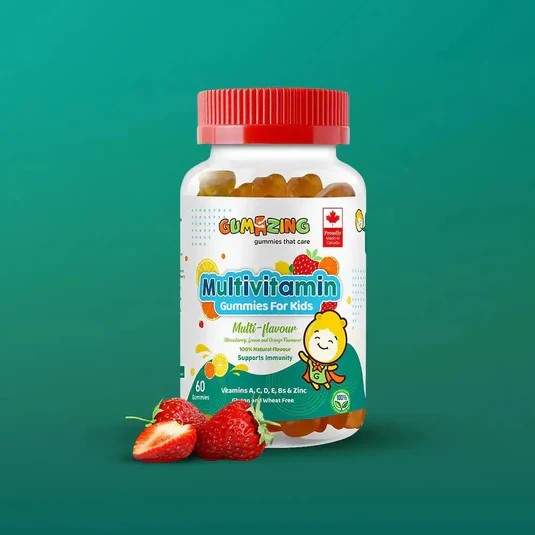
Why Parents Choose Chewable Vitamins
First, it helps to understand why chewables are so popular.
Most kids don’t like swallowing pills. Syrups can feel like a chore. Gummies and chewables solve that problem—they’re easy, quick, and usually well accepted.
That means:
- Fewer skipped doses
- Less daily struggle
- Better consistency
And consistency matters more than anything else when it comes to supplements.
Start With This Question: Does My Child Actually Need One?
Before buying anything, pause here.
Not every child needs a daily vitamin. Many get enough nutrients from a reasonably balanced diet.
But in real life, things aren’t always ideal.
You might consider chewable vitamins if:
- Your child is a picky eater
- Certain food groups are regularly avoided
- Meals are inconsistent due to routine or schedule
- There are phases of low appetite
In these cases, vitamins can help support daily nutrition—not replace meals.
What to Look for in Chewable Vitamins
1. Relevant Nutrients, Not Just Long Lists
A long ingredient list might look impressive, but more isn’t always better.
Focus on essentials like:
- Vitamin D (bone health)
- Vitamin C (general wellness)
- B vitamins (energy and development)
The goal is to fill small gaps, not overload the body.
Read More - Gumazing 2 Pack Combo | Vitamin C & Zinc + Multivitamin
2. Balanced Formulation
Some nutrients work better together.
For example:
- Vitamin D helps with calcium absorption
- Certain vitamins support each other’s function
Well-balanced formulations are more useful than random combinations.
3. Sugar Content Matters
Chewable vitamins taste good for a reason—they contain sugar or sweeteners.
That’s not automatically a problem, but it’s something to watch.
Over time, excess sugar—even from supplements—can:
- Affect dental health
- Add to overall daily sugar intake
A quick label check can help you make a smarter choice.
4. Clear Dosage Instructions
Always follow:
- Age recommendations
- Suggested serving size
More isn’t better. In fact, overuse of certain vitamins can cause imbalances, especially with fat-soluble ones.
Understanding Different Types of Chewable Vitamins
Not all chewables serve the same purpose. Knowing the difference helps you choose more intentionally.
Immune Support Options
Some chewable vitamins focus on nutrients linked to immune health, such as vitamin C and zinc.
If you’re exploring options like immune booster gummies, it’s helpful to see them as part of a bigger picture.
They can complement:
- Balanced meals
- Good sleep
- Regular physical activity
But they don’t replace these basics.
General Multivitamins
These are the most common.
They’re designed to:
- Support everyday nutrition
- Cover small gaps in diet
- Provide a mix of essential vitamins
They’re often a starting point for parents who want overall support.
Bone Health Support
Growing kids need strong bones, and calcium plays a big role in that.
When dietary intake is low, some parents consider supplements that include calcium and vitamin D.
Options like calcium gummies are often chosen during growth phases or when kids don’t consume enough dairy or calcium-rich foods.
Common Mistakes to Avoid
Choosing Based Only on Taste
If kids like the taste, that’s helpful—but it shouldn’t be the main reason you choose a product.
Assuming “More” Means Better
Giving multiple supplements at once can lead to overlapping nutrients and unnecessary intake.
Treating Vitamins Like Candy
Chewables may look and taste like treats, but they’re still supplements. Keep them stored safely and out of reach.
Ignoring the Bigger Picture
No supplement can fix poor eating habits on its own.
The foundation still matters:
- Regular meals
- Variety in food
- Healthy routines
How to Make the Right Choice (Without Overthinking It)
You don’t need to overanalyze every option.
A simple approach works best:
- Identify the gap (nutrition, immunity, bone health)
- Choose a supplement that supports that need
- Use it consistently—but within recommended limits
- Continue working on improving diet over time
That’s it.
Read More - Gumazing Vitamin C & Zinc Gummies
A Practical Perspective for Parents
There’s no “perfect” vitamin.
There’s only what works for your child’s current routine, habits, and needs.
Some kids may benefit from chewables regularly. Others may not need them at all.
And that’s okay.
The goal isn’t to do everything perfectly—it’s to make informed, balanced choices without adding stress.
Final Thoughts
Finding the right chewable vitamin doesn’t have to be overwhelming.
When you focus on:
- Real nutritional needs
- Simple, clean formulations
- Consistent use
…the decision becomes much clearer.
Chewable vitamins can be a helpful addition to your child’s routine when used thoughtfully. Just remember—they work best as support, not as a substitute for healthy eating.
Keep the approach balanced, and you’ll be on the right track.