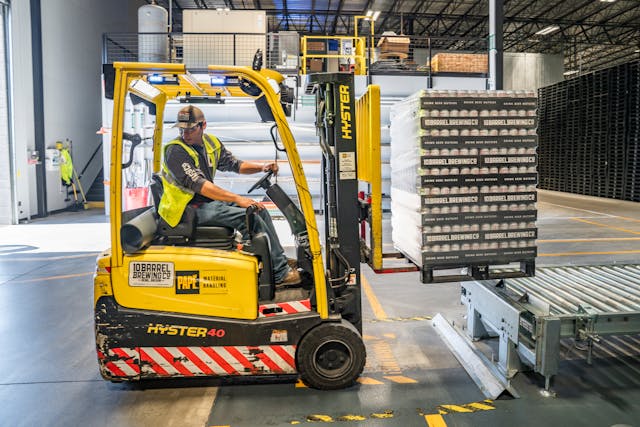
Understanding Why Forklift Attachments Matter in Today’s Warehouses
Modern warehousing is no longer a simple matter of moving boxes on pallets from point A to point B. As product variety increases, packaging becomes more specialized, and e-commerce demands faster throughput, facilities are searching for ways to get more versatility out of their material handling equipment. Forklifts remain the backbone of industrial storage and shipping operations, but the real force multiplier comes from the attachments that allow a single machine to perform what used to require several different vehicles. Forklift attachments expand capabilities, reduce manual handling, improve ergonomics, and help warehouses adapt to challenging loads without constantly investing in entirely new machines. When a warehouse can pick up rolls, clamp appliances, rotate drums, or handle slip sheets using the same forklift they already own, productivity increases, operators face fewer awkward lifting situations, and the overall flow of materials becomes smoother throughout the building.
The Different Types of Forklift Attachments Found in Industrial Settings
Warehouse managers and equipment buyers are often surprised by how many categories of forklift attachments are available. While the standard forks everyone recognizes are still the most common, there are dozens of specialized solutions designed for unique types of unit loads. Fork positioners, for example, allow operators to adjust fork width hydraulically without leaving the seat, making it simpler to handle pallets of different sizes in rapid sequence. Sideshifters give trucks the ability to move forks left or right without repositioning the entire vehicle, which helps when loading trailers or placing pallets tightly in racks. Rotators allow forks to spin loads 360 degrees, commonly used in food processing and manufacturing applications where containers must be emptied. There are also clamps specifically designed for appliances, paper rolls, bales, or drums, enabling secure handling of goods that do not sit on pallets at all. Each attachment has a purpose, and choosing the right one can dramatically improve efficiency in environments with unusual material shapes.
Pallet Handling Attachments and Their Benefits
While many warehouses operate on standardized pallets, the range of pallet sizes and load types can still create handling challenges. Fork positioners are particularly useful in mixed pallet environments because they allow fast adaptation without manual adjustment. Sideshifters provide an added level of micro-precision that reduces truck movements and saves time during loading operations. Multi-pallet handlers, which feature extra forks that allow two pallets to be moved at once, are frequently used in high-volume beverage and packaged goods operations. These attachments reduce the number of trips required between staging areas and outbound docks, which lowers labor time and equipment usage. Even small improvements in pallet movement speed can contribute to measurable throughput gains when multiplied across hundreds of daily load cycles.
Specialty Attachments for Non-Palletized Loads
Some warehouses deal with materials that will never see a pallet, and those facilities benefit from the specialized designs of clamps and handling devices. Paper roll clamps allow gentle gripping of large cylindrical rolls without damaging their outer layers, which is important in printing, packaging, and paper manufacturing. Bale clamps help textile warehouses, recycling centers, and agricultural distributors move compressed bales securely without strapping them to pallets. Drum handlers prevent operators from having to manually maneuver heavy containers that store chemicals or oils, reducing workplace strain and improving containment. Carton clamps are used in appliance and furniture distribution where boxes are large but relatively lightweight, allowing operators to securely squeeze and lift bulky goods. These specialty attachments reduce manual interventions and keep the product moving through the facility without expensive custom packaging.
Safety and Operator Considerations When Using Attachments
Adding attachments may change a forklift’s center of gravity, lift capacity, and handling behavior, so warehouse managers typically ensure operators are trained to understand how physics change during lifts. The forklift’s data plate must reflect the attachment-adjusted capacity, and operators are taught to drive more cautiously when handling irregular loads or attachments that extend further than standard forks. Many facilities also include structured inspection routines to ensure clamps, rotators, hydraulic hoses, and control valves remain in working condition. A well-maintained forklift attachment reduces product drops, equipment stress, and unexpected downtime. For warehouses that move nonstandard loads daily, the safety dimension of attachments becomes just as important as the productivity benefits because safe handling prevents product loss and keeps workers protected from avoidable accidents.
How Forklift Attachments Influence Warehouse Throughput
Throughput refers to how quickly a facility can receive, store, pick, pack, and ship inventory. Forklift attachments directly impact this metric because they minimize wasted movement. A typical warehouse might lose minutes every time an operator climbs off a forklift to adjust forks manually or retrieve a different piece of equipment for a specialty load. Multiply that by hundreds of repetitions per day and weeks per year, and the time savings of properly selected attachments become substantial. Attachments also reduce bottlenecks in inbound receiving areas by allowing trucks to unload difficult loads without relying on separate equipment. Outbound shipping areas benefit from multi-pallet handlers, sideshifters, and clamps that tailor handling to varied customers and load types. Overall, attachments transform forklifts into multitasking machines that adapt to real-world product complexity, which helps operations scale without major capital expenditures.
Choosing the Right Attachment for Your Material Handling Needs
Warehouse decision-makers evaluate several factors before selecting forklift attachments. The first is always the type of product being handled most frequently; a paper mill will prioritize roll handling while a beverage distributor may focus on multi-pallet capabilities. The second factor is fleet compatibility, since attachments need to fit the lift capacity, mast design, hydraulic capabilities, and mounting type of each truck. The third factor involves maintenance and lifecycle costs, as attachments experience wear during clamping, rotating, or high-frequency hydraulic operations. Some facilities also consult with material handling specialists who audit current workflows and suggest attachment packages that align with throughput goals. Because every building has its own traffic patterns, racking layout, inbound volume, and outbound profile, choosing the right attachment requires looking at the entire operation rather than purchasing tools in isolation.
The Financial and Operational Upside of Using Attachments
Investing in forklift attachments often provides a faster return than buying new forklifts, especially when budget constraints limit capital spending. Attachments enhance the versatility of existing fleets, reduce labor time, and preserve products by minimizing manual lifting or makeshift handling techniques. Facilities that adopt attachments often see fewer damaged goods because clamps and handlers secure loads in purpose-built ways. Labor strain is also reduced because workers spend less time balancing bulky items or repositioning pallets manually. Over time, these improvements help warehouses operate more smoothly during peak seasons, absorb order spikes, and meet customer expectations more consistently. As industries continue to move toward higher automation and advanced material handling, attachments will remain an essential part of bridging the gap between manual forklift work and more automated systems.
Final Thoughts
Forklift attachments might seem like small add-ons compared to larger investments in machines or warehouse infrastructure, but they play a big role in how efficiently materials move inside industrial environments. Their ability to handle pallets, rolls, drums, bales, cartons, and other unconventional loads allows a single forklift to perform multiple jobs without expensive upgrades or added labor. Choosing the right attachment requires understanding product characteristics, forklift compatibility, operator training, and maintenance demands. When implemented correctly, attachments increase throughput, improve safety, reduce product damage, and extend the usefulness of a facility’s existing equipment. For warehouses looking to achieve more without overhauling their fleet, forklift attachments remain one of the most practical and cost-effective upgrades available today.