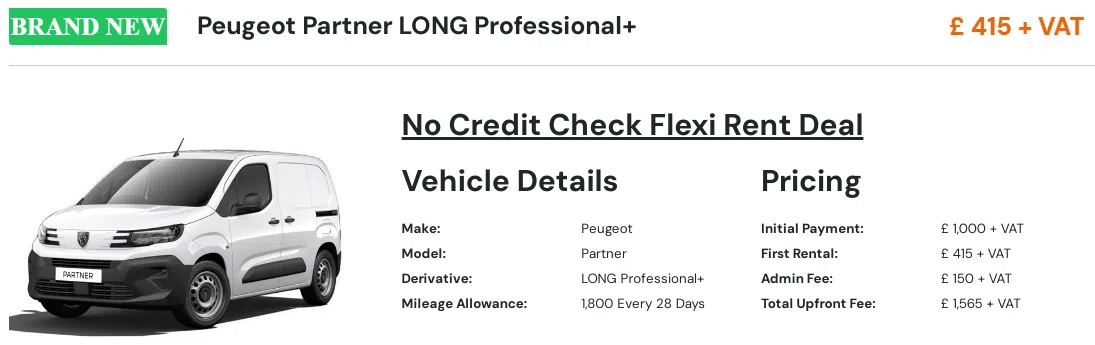
Getting a reliable van is essential for many UK businesses, tradespeople, and self-employed professionals. Whether you need a vehicle for deliveries, construction work, or everyday business operations, having access to the right van can make a significant difference. However, if you have a poor credit history, finding a suitable leasing agreement may seem challenging.
The good news is that a low credit score does not automatically mean your options are limited. With the right preparation, a realistic budget, and an understanding of how leasing providers assess applications, you can explore practical ways to secure a van that meets your needs.
Can You Lease a Van with Bad Credit?
Yes, it may be possible to lease a van even if your credit history is less than perfect. Some leasing providers specialise in helping applicants who have experienced financial difficulties, while others assess applications based on a wider range of factors.
Your eligibility will depend on several considerations, including your current income, employment status, existing financial commitments, and previous credit problems.
For example, a missed payment from several years ago may be viewed differently from a recent bankruptcy or an ongoing pattern of missed repayments. Every lender has its own assessment criteria, so approval is never guaranteed.
When researching van leasing with bad credit in the UK, focus on providers that clearly explain their eligibility requirements and offer transparent information about costs.
What Credit Problems Can Affect Your Application?
Credit difficulties can arise for many reasons, and leasing companies may evaluate different types of financial history when reviewing applications.
Common issues include:
Missed payments: Previous late payments on credit cards, loans, or other agreements.
County Court Judgments (CCJs): These can affect your credit profile and may influence a lender's decision.
Defaults: Unpaid debts that have been recorded as defaulted accounts.
Previous insolvency: Bankruptcy or an Individual Voluntary Arrangement (IVA) may affect eligibility.
Limited credit history: Having little borrowing experience can sometimes make affordability assessments more difficult.
Although these issues can create obstacles, they do not necessarily prevent you from finding a suitable leasing option.
How to Improve Your Chances of Approval
Before submitting an application, take some time to strengthen your financial position. A little preparation can help you make a more informed decision and avoid unnecessary applications.
1. Check Your Credit Report
Review your credit reports for inaccurate information, outdated details, or accounts you do not recognise. If you identify an error, contact the relevant credit reference agency or lender to request a correction.
2. Demonstrate Stable Income
Leasing providers generally want evidence that you can afford the monthly payments. Recent payslips, bank statements, or business accounts may help demonstrate your financial circumstances.
Self-employed applicants should be prepared to provide suitable evidence of regular earnings.
3. Choose a Realistic Van
Consider a smaller or less expensive model if your budget is limited. Selecting a van with manageable monthly payments may improve affordability, although the final decision will depend on the provider's criteria.
4. Consider an Initial Rental
Some agreements require an upfront initial rental, which can affect the amount due at the beginning of the contract. Make sure you understand the total cost before committing.
An initial payment does not guarantee approval, and you should never borrow additional money simply to meet a leasing provider's deposit requirement.
Understanding the Costs of Van Leasing
Monthly payments are only one part of the overall expense. Before signing an agreement, review the full financial commitment and check what is included.
Important costs to consider include:
Initial rental or upfront payment.
Monthly leasing instalments.
Insurance and road tax arrangements, where applicable.
Servicing, maintenance, and replacement tyres.
Mileage limits and excess-mileage charges.
Potential damage charges and early termination fees.
Remember that different agreements offer different levels of coverage. For example, maintenance may be included in one contract but charged separately in another.
Comparing the total cost over the entire agreement is often more useful than choosing a provider based solely on the lowest advertised monthly payment.

Choosing the Right Leasing Provider
When comparing van leasing with bad credit in the UK, look beyond approval promises and promotional offers. A trustworthy provider should explain its terms clearly, assess affordability responsibly, and disclose any relevant fees.
Before applying, ask these questions:
Do you accept applicants with my type of credit history?
Will you conduct a soft credit search or a hard credit search?
What documents will I need to provide?
What happens if I exceed the agreed mileage allowance?
Are there penalties for ending the contract early?
Is maintenance included in the monthly price?
Be cautious of guaranteed-approval claims, pressure to pay upfront fees, or agreements that do not clearly explain your obligations.
Final Thoughts
Securing a van with an imperfect credit history can require additional research, but it is not necessarily out of reach. By understanding your credit profile, preparing evidence of affordability, and comparing providers carefully, you can identify options that suit your circumstances.
Ultimately, successful van leasing with bad credit in the UK starts with realistic expectations and a clear understanding of the agreement. Take time to compare costs, read the terms, and ensure the monthly commitment remains affordable throughout the contract. The right approach can help you find a practical vehicle solution while protecting your longer-term financial stability.