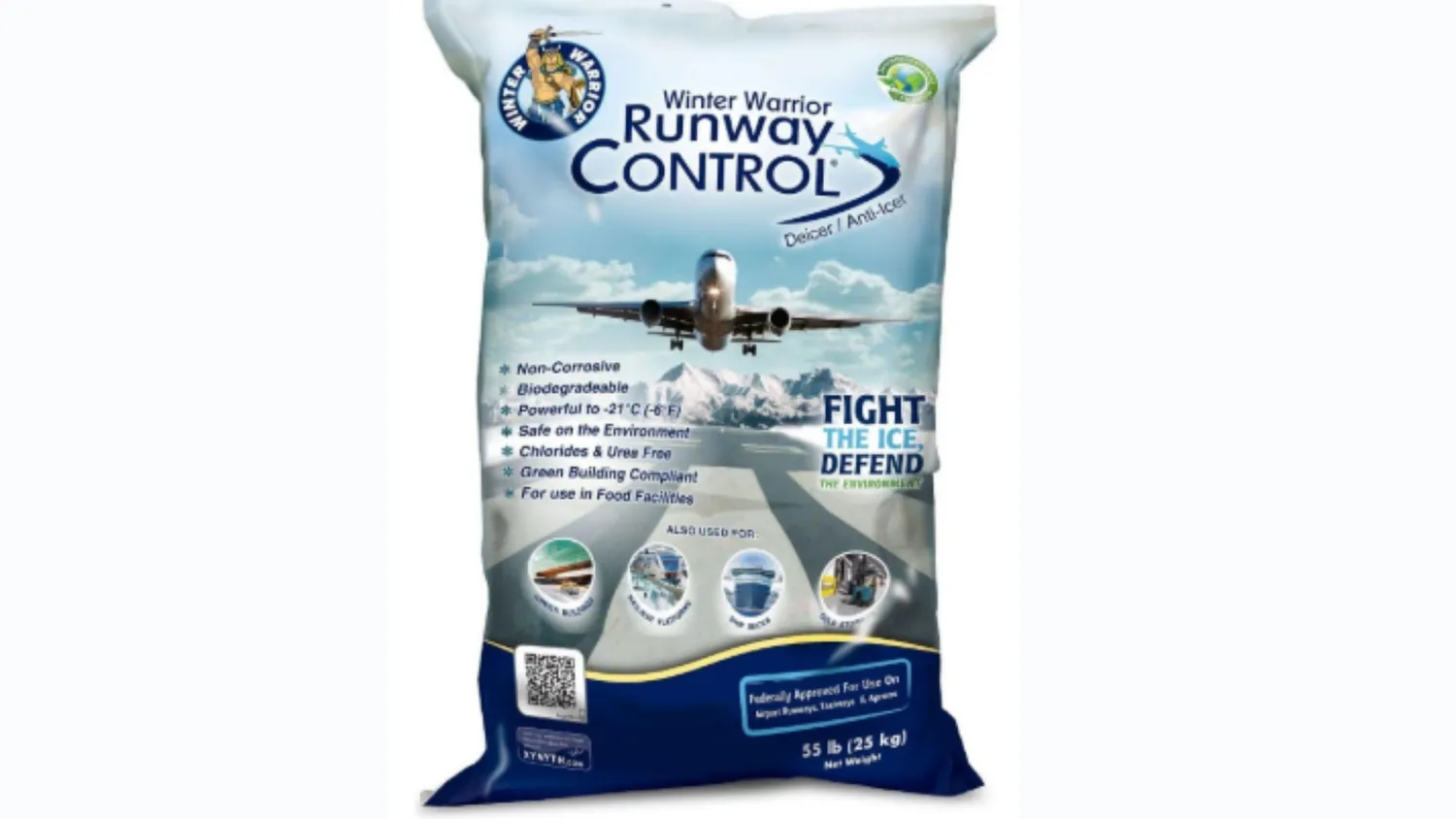
Winter can be rough on your surfaces. Snow piles up. Ice turns walkways into danger zones. And before you know it, your concrete starts to crack or chip. That’s where choosing the right ice melt for concrete really matters.
Not all ice melt products are created equal. Some do more harm than good. If you’ve got fresh surfaces, the risk is even higher. That’s why using an ice melt safe for new concrete isn’t just a good idea, it’s a must.
Let’s break it down in a simple, real-world way.
Concrete Needs Special Care in Winter
Concrete looks tough. But in cold weather, it becomes vulnerable. Water seeps in, freezes, and expands. That’s when cracks start showing up.
Add the wrong ice melt, and things get worse.
- Surface scaling starts
- Small cracks turn bigger
- The finish gets damaged
That’s why you can’t just throw down any deicer and call it a day.
The Problem with Traditional Ice Melts
Most standard ice melts rely on rock salt. Sounds simple, but it comes with issues.
- Contains sodium chloride
- Dries out and weakens concrete
- Harms nearby grass and plants
Rock salt may melt ice fast, but it leaves damage behind. Over time, your driveway or walkway pays the price.
A Smarter Choice for Concrete Protection
A better option focuses on safety and performance. The right ice melt for concrete works without tearing things apart.
Look for products that:
- Are chloride-free or low in harsh salts
- Melt ice without extreme chemical reactions
- Protect the surface instead of weakening it
This kind of approach keeps your concrete solid through the season.
New Concrete Needs Extra Attention
Fresh concrete is still curing. It takes time to fully harden and reach its strength. During this phase, it’s more sensitive.
Using the wrong product can:
- Cause early surface damage
- Lead to permanent cracks
- Reduce long-term durability
That’s why choosing an ice melt safe for new concrete is key. You’re protecting your investment from day one.
The Role of Safer Ingredients
Not all deicing products rely on harsh chemicals. Some use better ingredients that are easier on surfaces.
One example is potassium-based compounds.
- Help melt ice effectively.
- Act more gently on concrete.
- Are less harmful to the surrounding areas
Unlike sodium, potassium doesn’t pull moisture out aggressively. That makes a big difference.
Protecting Nearby Lawns and Plants
Ice melt doesn’t just stay on concrete. It spreads. It seeps into nearby soil and grass.
Harsh salts can:
- Burn plant roots
- Damage shrubs
- Leave dead patches on lawns
Using a safer formula helps avoid that mess.
- Keeps the surrounding greenery healthy
- Reduces soil damage
- Supports better spring recovery
It’s not just about concrete. It’s about the whole area.
How to Apply Ice Melt the Right Way
Even the best product needs proper use. Dumping too much won’t help. In fact, it can backfire.
Here’s a smarter approach:
- Spread evenly across icy areas
- Use only what’s needed
- Reapply lightly if required
Less is more. A controlled application gives better results without overloading the surface.
Long-Term Benefits of Choosing the Right Product
Going with a safer option isn’t just about one winter. It’s about the long run.
You’ll notice:
- Fewer cracks and repairs
- Better surface durability
- Lower maintenance costs
Your concrete lasts longer. And that saves you money and hassle.
A Cleaner and Safer Outdoor Space
Winter safety matters. Slippery surfaces can lead to accidents. But safety shouldn’t come at the cost of damage.
Using the right ice melt for concrete gives you both.
- Safer walking surfaces
- No harsh chemical exposure
- Better protection for pets and plants
It’s a win all around.
What to Expect After Switching
Once you start using an ice melt safe for new concrete, the difference becomes clear.
- Surfaces stay intact
- Less visible wear and tear
- Cleaner finish after winter
No more worrying about what’s happening underneath the ice.
Avoiding Common Mistakes
A lot of damage comes from simple mistakes. Easy to avoid if you know what to look out for.
- Don’t overuse rock salt
- Don’t apply before checking the product type
- Don’t ignore early signs of damage
Small changes can save you big trouble later.
Final Thoughts
Winter doesn’t have to ruin your concrete. The key is choosing the right solution from the start.
Using an ice melt for concrete that’s also an ice melt safe for new concrete helps you protect your surfaces without causing damage. It keeps things simple, effective, and safe.
Stick with smarter choices. Use better ingredients. And your concrete will hold up strong, season after season.