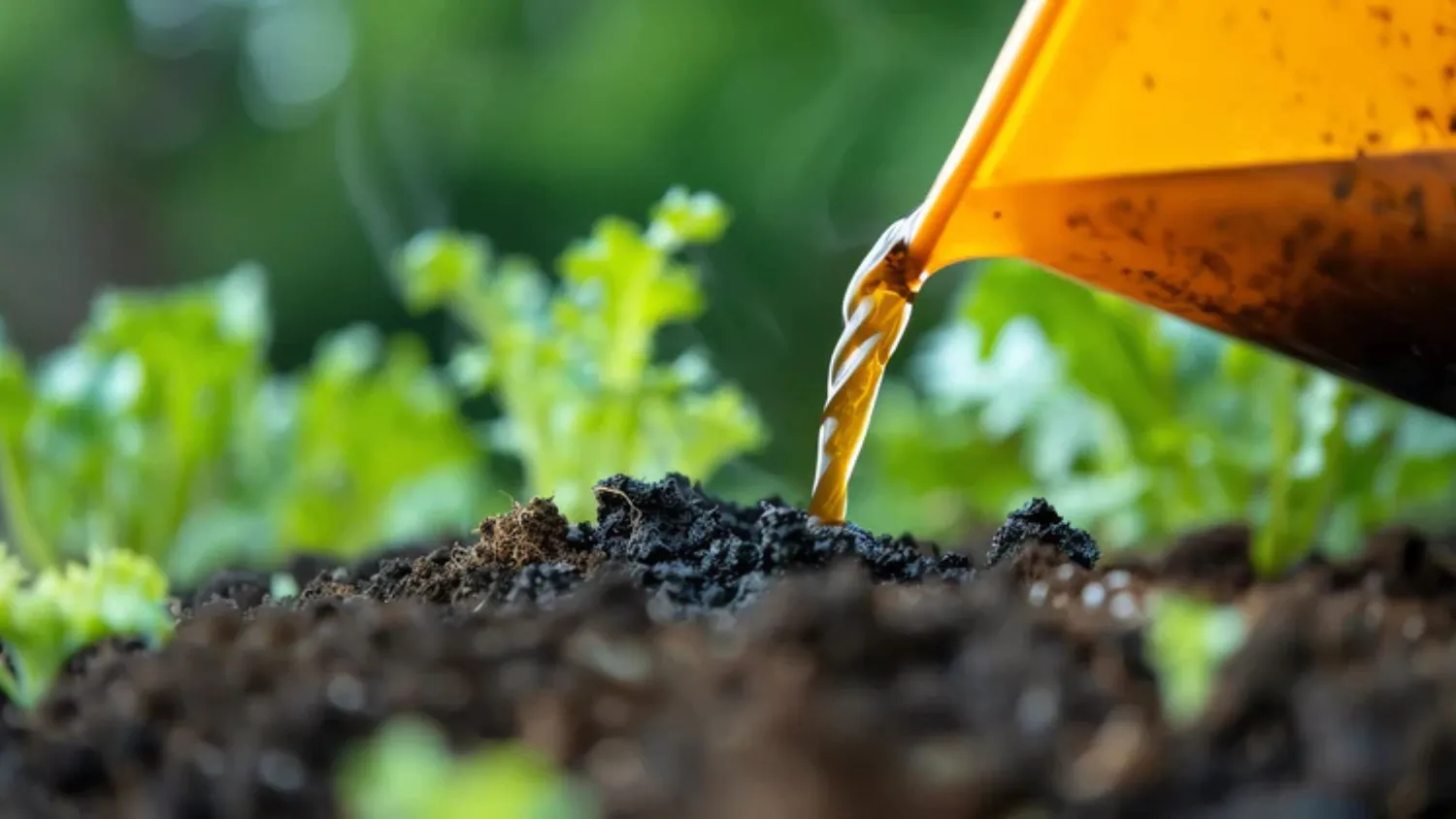
If your garden feels like it’s missing something, it’s probably the soil. Healthy plants start with healthy soil, and sometimes, just watering and fertilizing isn’t enough. That’s where an organic soil conditioner comes in. It’s a natural way to make your soil happy, boost plant growth, and create a garden that thrives all year long.
Unlike regular fertilizers that only feed plants, an organic conditioner focuses on the soil itself. Think of it like giving your soil a big hug and a snack at the same time. It improves soil structure, helps roots spread, and keeps nutrients where plants can actually use them.
Let’s take a closer look at why using an organic conditioner can make a huge difference in your garden.
What Exactly Is an Organic Soil Conditioner?
An organic soil conditioner is any natural material added to soil to make it better for plants. It could be compost, plant residues, or other natural stuff that improves soil health.
The main job of a soil conditioner is to improve the soil’s structure. If your soil is too hard or packed down, roots can’t grow properly. A soil conditioner loosens the soil, makes it airy, and helps it hold water better. It also encourages helpful microbes to live in the soil. More microbes mean healthier soil and stronger plants.
It’s like a workout for your soil. Stronger, lighter soil helps roots spread, take up nutrients, and support bigger, healthier plants above the ground.
Why Healthy Soil Is a Big Deal
A lot of gardeners focus on watering and fertilizing but forget about soil. But soil is the real star. Poor soil can stunt growth, cause diseases, and make plants weak.
If soil is compacted, water can’t get in. Roots dry out, and nutrients get washed away. On the other hand, loose, healthy soil lets roots breathe, stretch, and absorb nutrients naturally.
By adding an organic soil conditioner, you fix these problems. It improves soil texture, keeps nutrients in place, and supports beneficial bacteria and fungi. Healthy soil equals happy plants that can fight off pests and grow strong.
How Plants Get a Steady Nutrient Boost
One of the coolest things about organic conditioners is how they help plants get nutrients. Unlike chemical fertilizers that give a quick burst, organic conditioners release nutrients slowly.
This slow release means plants get what they need over time. No more sudden growth spikes or weak patches. Nutrients like nitrogen, phosphorus, and potassium stay in the soil longer. Plants grow steadier, flowers bloom brighter, and vegetables taste better.
Plus, the soil holds onto these nutrients instead of letting rain wash them away. It’s a smarter way to feed your garden.
Helping Roots Grow Strong and Deep
Roots are like the plant’s backbone. If they can’t grow properly, nothing above the soil thrives. Organic soil conditioners help roots expand by loosening soil and creating air pockets.
These tiny pockets let roots breathe and stretch out naturally. They can reach more water and nutrients. At the same time, soil microbes get more room to grow. These microbes break down organic matter and release more nutrients for plants.
So when roots are happy, the whole plant is happy. You’ll notice stronger stems, healthier leaves, and better growth overall.
Water Retention and Drainage – Getting It Just Right
Too much water can drown roots, and too little can make them dry out. Organic conditioners help balance it. They hold water during dry spells but let extra water drain when it rains.
This means your garden doesn’t get soggy or thirsty. It also makes your plants more resilient. They can handle changes in weather and grow steadily, no matter what the season throws at them.
How It Helps Microbes and Soil Life
Healthy soil is full of life. Tiny microbes, fungi, and bacteria all play important roles. They help break down organic matter, release nutrients, and protect plants from diseases.
Adding an organic soil conditioner feeds these microbes and gives them a safe place to live. More microbes equal healthier soil and plants that can fight off problems naturally.
It’s like having a whole team of tiny helpers underground. The more you support them, the more your garden will thrive.
Easy on the Environment
Using an organic conditioner is not just good for your garden—it’s good for the planet too. Unlike chemical fertilizers, it doesn’t pollute water or harm soil organisms.
Many conditioners come from recycled natural materials, like plant leftovers or compost. This makes them sustainable and eco-friendly. Over time, you’ll notice your soil becoming self-sustaining, needing less extra help, and staying fertile year after year.
Tips to Get the Best Results
Getting the most out of an organic soil conditioner is simple if you follow a few tips:
- Test Your Soil – Know what your soil needs before adding anything.
- Spread It Evenly – Cover the soil surface so every part gets treated.
- Mix It In – Lightly work the conditioner into the top layer of soil.
- Use Mulch Alongside – Mulch keeps soil moist and protects microbes.
- Repeat Regularly – Soil improves over time, so make this part of your garden routine.
These simple steps make a big difference. Your soil gets healthier, and your plants get stronger every season.
Conclusion
Healthy plants start with healthy soil, and using a humic acid soil amendment can make that happen. It improves soil structure, keeps nutrients in the right place, and supports all the tiny helpers underground.
Over time, this leads to stronger roots, greener leaves, better blooms, and tastier vegetables. Your garden becomes resilient, productive, and naturally healthy. By focusing on soil first, you set up your plants for long-term success.
Healthy soil isn’t just about better growth—it’s about building a garden that lasts, season after season. Adding a humic acid amendment is a small step that makes a huge difference in the long run.