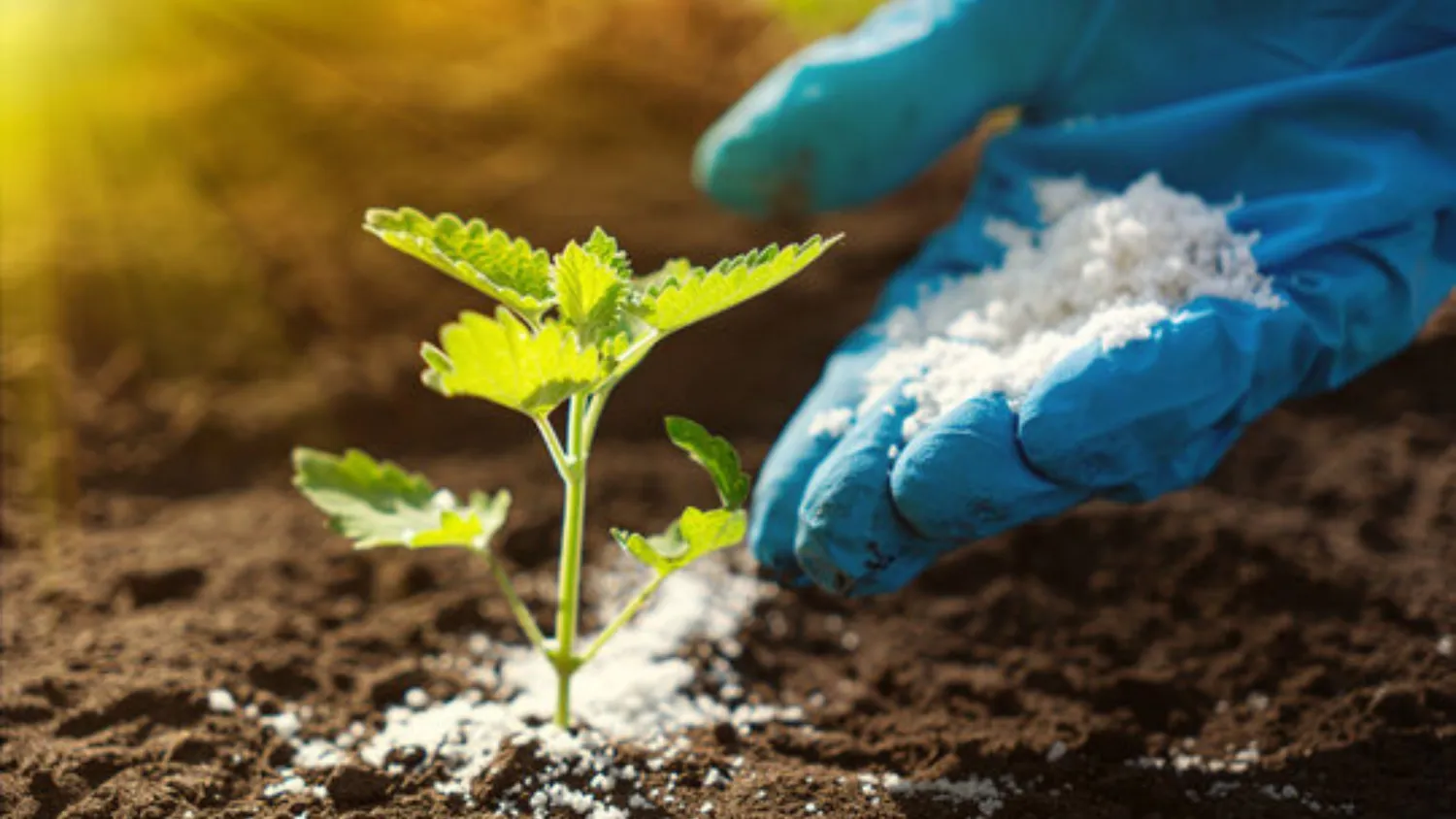
Healthy soil is the key to successful farming. It gives plants the nutrients they need, holds water, and supports strong root growth. However, soil does not stay healthy on its own. Years of heavy use, changing weather, and poor farming habits can slowly wear it down. That is why many growers are turning to organic fertilizer farming as a better way to care for their land. Instead of chasing quick results, this approach focuses on building healthy soil from the ground up. When the soil stays healthy, crops have a much better chance of growing strong season after season.
It All Starts Beneath Your Feet
Most people notice healthy crops first. However, the real story begins underground. Soil is much more than dirt. It is full of life. Tiny organisms, earthworms, and natural materials all work together to keep plants healthy.
When farmers care for the soil, they invest in every future harvest. Healthy soil gives roots room to grow, holds nutrients longer, and creates better growing conditions. As the saying goes, strong roots grow strong plants.
Feed the Soil First
Many people think fertilizer is only meant to feed crops. That idea misses the bigger picture. Healthy plants depend on healthy soil, and healthy soil needs regular care.
That is why organic fertilizer farming focuses on feeding the soil before anything else. Organic matter breaks down slowly and adds valuable nutrients over time. Instead of giving plants a quick boost, it builds long lasting soil fertility.
Tiny Workers Never Take a Day Off
Healthy soil is busy every single day. Billions of tiny organisms work around the clock without asking for a break. They break down natural materials and help release nutrients that plants need.
Organic matter gives these helpful microbes plenty to feed on. As their numbers grow, the soil becomes more active and productive. Nature does much of the hard work when the soil is given the right conditions.
Water Stays Where It Should
Water is one of a farmer's biggest concerns. Too little water slows plant growth. Too much water can damage roots and wash nutrients away. Finding the right balance is not always easy.
Healthy soil acts like a sponge. One major benefit of organic fertilizer farming is that it improves the soil's ability to hold moisture while still allowing extra water to drain away. This balance helps crops stay healthier during both dry spells and heavy rain.
Keep Erosion from Stealing Your Hard Work
Strong winds and heavy rain can wash away valuable topsoil. Once that rich layer disappears, growing healthy crops becomes much harder. Replacing lost soil takes years.
Organic matter helps soil stick together instead of washing away. Better soil structure keeps more nutrients in the field where they belong. Protecting topsoil today helps secure better harvests tomorrow.
Strong Roots Make Tough Plants
Healthy roots are the foundation of every healthy crop. They collect water, pull nutrients from the soil, and help plants stay upright during rough weather. Weak roots often lead to weak plants.
Loose, healthy soil gives roots plenty of room to spread. As roots grow deeper, plants become stronger and better able to handle dry weather, changing temperatures, and everyday stress. Healthy roots truly make all the difference.
Let Nature Lend a Helping Hand
Nature already has many of the tools needed to build healthy soil. Farmers simply need to work with those natural systems instead of against them. Sometimes the best solution is also the simplest.
Organic fertilizer farming supports these natural processes. Organic materials slowly improve soil quality while encouraging healthy biological activity. Over time, the land becomes more balanced and better able to support productive crops.
Hold On to Those Valuable Nutrients
Heavy rain can wash important nutrients away before crops have a chance to use them. This leaves plants with fewer resources and often means adding more fertilizer later.
Organic matter helps keep nutrients where they belong. Instead of escaping through runoff, nutrients remain available in the soil for longer periods. Plants can then absorb what they need as they continue growing.
Healthy Soil Is Full of Life
A healthy field is home to much more than crops. Earthworms, fungi, bacteria, insects, and other tiny organisms all play important roles below the surface. Each one helps improve soil health in its own way.
As organic materials break down, they provide food for these helpful organisms. Their constant activity improves soil structure, supports nutrient cycling, and creates healthier growing conditions throughout the field.
Think Beyond This Growing Season
Good farming is about more than today's harvest. Every decision made this season affects the years ahead. Looking after the soil now can save many problems later.
That is another reason growers value organic fertilizer farming. It focuses on building long term soil health instead of short term gains. Healthy soil continues supporting crops year after year, making farms stronger and more productive over time.
Little Steps Lead to Big Results
Healthy soil does not appear overnight. Building it takes patience and steady effort. Fortunately, small improvements made each season often lead to impressive results later.
Adding organic matter regularly, rotating crops, reducing unnecessary soil disturbance, and maintaining healthy fields all work together. Bit by bit, the soil becomes richer, stronger, and more productive.
Conclusion
Long lasting farming success begins with healthy soil. When growers focus on improving soil quality, they create better conditions for crops, beneficial microorganisms, and future harvests. Healthy soil holds water more effectively, keeps nutrients available longer, and supports stronger root systems. These improvements continue to pay off year after year. Combining these sustainable practices with an organic fertilizer for crops helps build productive farmland, healthier plants, and a stronger future for agriculture.