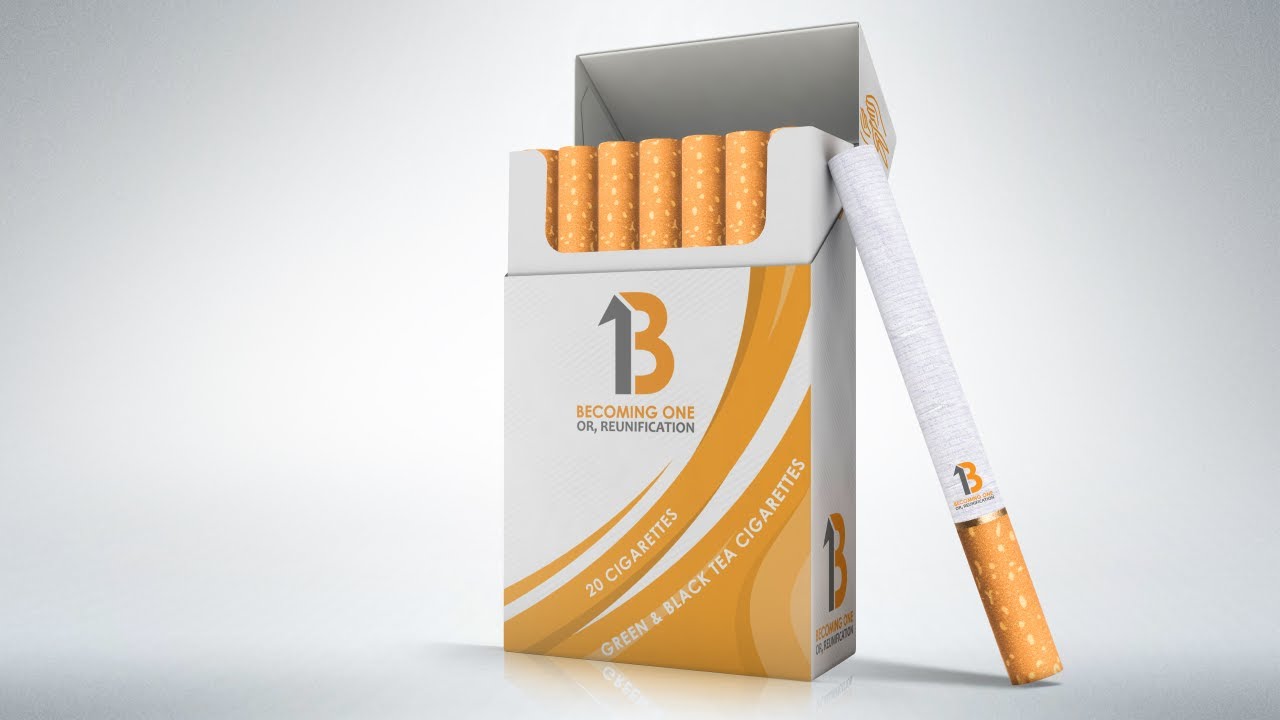
Graphic warning labels on cigarette packs have become a global strategy to reduce tobacco use. These warnings aim to inform smokers about health risks. Many countries have adopted them, but their effectiveness continues to be studied. Let's explore how these graphic labels on cigarette packaging impact smokers and public health.
The Psychology Behind Graphic Warning Labels
Graphic warnings are designed to trigger emotional reactions. Unlike plain text warnings, images of diseased lungs or cancer patients make health risks feel real. This emotional impact helps people connect smoking to serious consequences.
These labels often use fear-based messaging. Fear can be a powerful motivator when combined with clear facts. When smokers see graphic images daily, they begin to associate cigarettes with suffering and death. This can break the mental link between smoking and relaxation or pleasure.
Studies show that images are processed faster than text. People often ignore written warnings. But images stay longer in memory. This psychological effect can lead to increased attempts to quit. Especially when the warning includes a call to action, such as quitting help lines or websites.
Emotions like disgust, sadness, or anxiety are also triggered. These feelings can create long-term changes in how people think about smoking. Over time, repeated exposure can lead to behavior change. This is especially true in younger audiences who are still forming their habits.
Impact on Smoking Initiation Among Youth
Young people are more vulnerable to smoking due to peer pressure and curiosity. Graphic warnings help prevent smoking initiation by making tobacco seem less appealing. When young people see disturbing images, they are less likely to view smoking as cool or attractive.
The youth often respond more to visual stimuli. A plain pack may be overlooked, but a pack with a cancerous lung image leaves a lasting impression. These images fight against the glamorization of smoking often seen in movies or media.
Several surveys have shown that teens exposed to graphic warnings delay smoking or never start. This effect is even stronger when the warnings show real people and stories. For example, a picture of a former smoker with throat cancer makes the danger personal and real.
Schools and parents can reinforce these messages. By discussing what the labels mean, they help youth internalize the health risks. This group often takes warnings seriously when combined with education and support.
Influence on Existing Smokers’ Behavior
Graphic warnings don’t just target new smokers; they also affect long-time users. Smokers who see graphic labels every time they reach for a cigarette may begin to feel guilt or fear. These emotions can lead to fewer cigarettes smoked or even a decision to quit.
Many smokers report that graphic warnings made them think about their health more often. This daily reminder can motivate action. Some even avoid looking at the pack, which shows that the image has had an emotional effect.
Research has found an increase in calls to quit lines after new graphic warnings are released. These warnings often include helpful information like toll-free numbers or websites. They make it easier for smokers to take the first step.
In many countries, smoking rates have declined after graphic labels were introduced. This shows that behavior does shift when people are repeatedly exposed to vivid health messages. For some, it takes time, but the effect builds over months or years.
Cultural and Regional Differences in Effectiveness
Not all cultures respond the same way to graphic warnings. In some regions, the images used may be more or less effective based on local beliefs or taboos. A warning that shocks in one country might have little effect in another.
For example, in cultures where disease is rarely discussed openly, graphic health images may be more powerful. In contrast, some people may become desensitized if the same images are used for years. Regular updates are needed to maintain impact.
Language and literacy also play a role. Images help reach people who cannot read the written warnings. This is especially important in low-income regions where education levels may be low. A clear picture crosses language barriers.
Some regions may resist these warnings due to tobacco industry influence. However, global health organizations continue to push for stronger laws. Countries like Australia and Canada have led the way and have seen results over time.
Role of Design and Placement on the Pack
The placement and design of graphic labels affect how well they work. Warnings placed at the top of the pack are more visible. Larger images take up more space and are harder to ignore.
Color and contrast are key design elements. Bright colors like red or yellow draw attention. High-resolution images that clearly show disease effects are more effective. The goal is to prevent people from disconnecting the image from reality.
Studies suggest that rotating the images every few months keeps the warning fresh. When smokers see the same picture for years, they may get used to it. Changing the image keeps the emotional impact strong.
The use of both sides of the pack also increases visibility. In some cases, inserts inside the pack are used to share more information or promote quit programs. All these design choices support the message and increase its reach.
Long-Term Public Health Outcomes
Graphic warning labels have shown long-term benefits for public health. In countries where these labels are mandatory, smoking rates have dropped. This results in fewer cases of lung cancer, heart disease, and stroke.
These labels also help reduce secondhand smoke exposure. As more people quit, their families, especially children, are exposed to fewer harmful chemicals. Hospitals and healthcare systems also benefit from fewer smoking-related illnesses.
Governments save money over time through reduced healthcare costs. Resources can then be shifted to prevention and other health priorities. These savings are often greater than the cost of implementing warning label laws.
Even if a person doesn't quit completely, they may smoke less. This still reduces health risks. Every cigarette avoided can improve long-term outcomes. These small changes, multiplied across millions of people, make a big difference.
Comparison With Other Anti-Smoking Strategies
Graphic warnings are often used with other strategies, such as taxes, public bans, and education campaigns. When used together, the effect is stronger. Each approach works on a different part of the decision-making process.
Price increases reduce access, especially for younger people. Public smoking bans limit exposure and social approval. Graphic labels add a personal, emotional element that hits closer to home.
Unlike ads or campaigns that come and go, cigarette packs are always present. Every time someone picks up a pack, the warning is there. This constant exposure gives graphic warnings an advantage in staying power.
While some people may ignore ads or skip public service messages, they cannot avoid the warning on their own pack. This consistent contact builds awareness and changes habits over time.
Public Support and Policy Implications
Public support for graphic warning labels is generally strong. Most non-smokers, and even some smokers, agree that people should be informed about the dangers of smoking. Surveys in multiple countries show high approval ratings.
This support gives governments the confidence to pass stronger laws. Policymakers often use public opinion to fight pushback from the tobacco industry. When people see the health benefits, support for the policy grows even more.
Graphic warnings can also support legal actions against tobacco companies. They prove that governments are taking reasonable steps to protect public health. This legal backing helps defend regulations in international courts.
Clear laws and firm enforcement are key. Without strict rules, tobacco companies may try to weaken or delay the labels. Policymakers must stay firm and informed by scientific evidence.
Conclusion
Graphic warning labels on cigarette packs have proven to be a powerful tool in reducing smoking rates. They influence both youth and long-time smokers through emotional and visual impact. When designed well and used alongside other policies, they offer lasting public health benefits. Despite cultural challenges, their global success shows their strong potential in shaping healthier societies. These warnings are not just pictures; they are life-saving messages that reach millions every day through something as simple as cigarette packaging.