Gold Filled, Gold Vermeil, and Gold Plated are all methods used to create gold jewelry or other gold-coated products. While they may appear similar at first glance, there are significant differences in terms of the amount and quality of gold used in each process. Here's a breakdown of the differences:
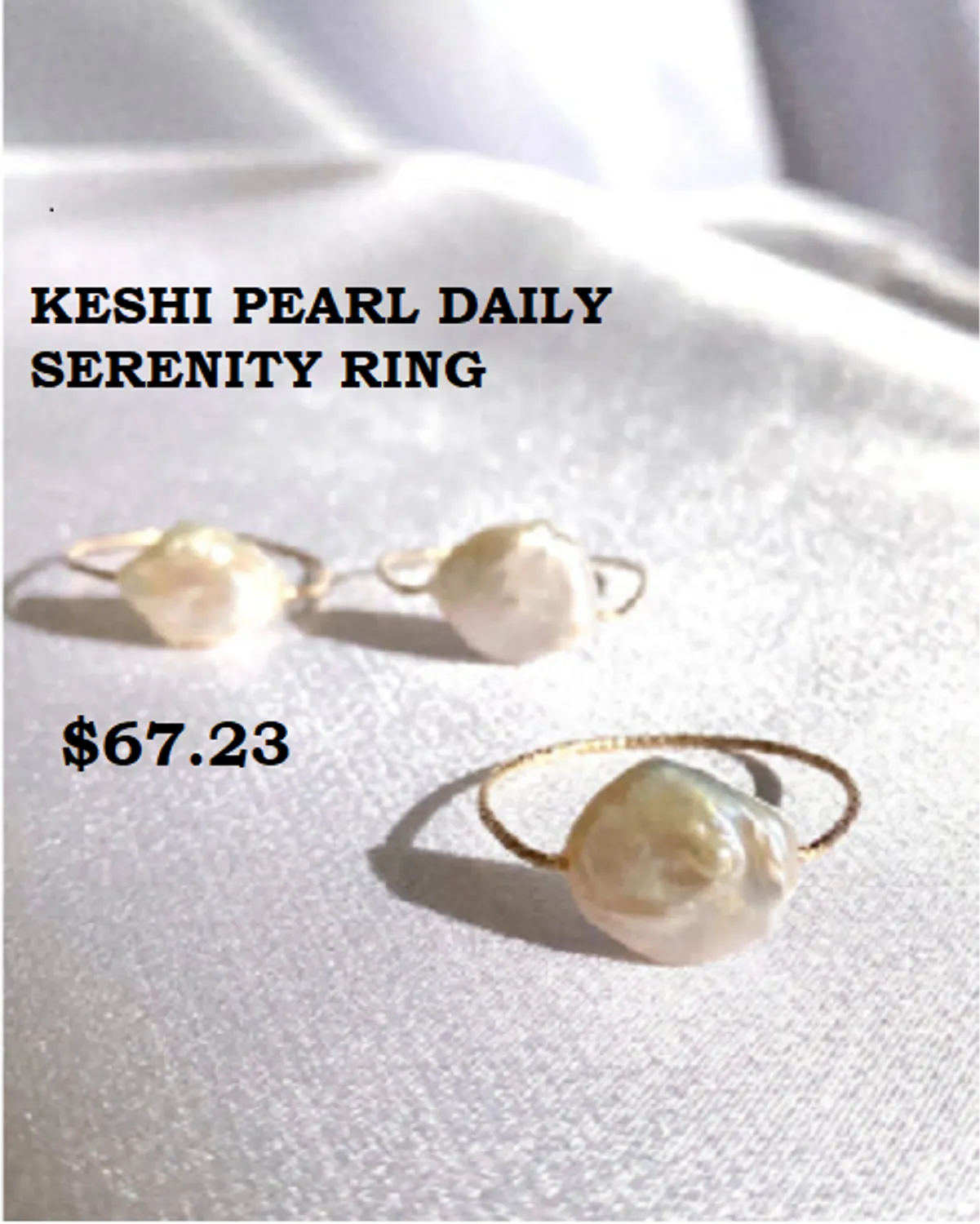
- Gold Filled: Gold-filled jewelry is made by bonding a thick layer of solid gold to a base metal (such as brass or copper) through a mechanical bonding process. The gold layer must be at least 5% of the total weight of the item. This results in a more durable and long-lasting piece compared to gold plating. Gold filled jewelry is considered a high-quality and affordable alternative to solid gold.
- Gold Vermeil: Gold vermeil is created by plating a base metal (usually silver) with a thicker layer of gold compared to gold plating. The gold layer in gold vermeil jewelry must be at least 2.5 microns thick and made of solid gold. This process produces a higher quality piece than gold plating, but it is not as durable as gold filled jewelry. Gold vermeil is often more expensive than gold plated items due to the higher gold content.
- Gold Plated: Gold plating involves coating a base metal (such as brass or copper) with a thin layer of gold. The gold layer used in gold plating is typically less than 0.5 microns thick. Gold-plated items are generally more affordable but may wear off over time, exposing the base metal underneath. The lifespan of gold plating can vary depending on the thickness of the gold layer and the frequency of wear.
In summary, gold filled jewelry has a thicker layer of solid gold bonded to a base metal, making it more durable and long-lasting. Gold vermeil is a thicker layer of solid gold plated over silver, offering a higher quality piece than gold plating. Gold plated items have a thin layer of gold over a base metal and are generally more affordable but less durable.